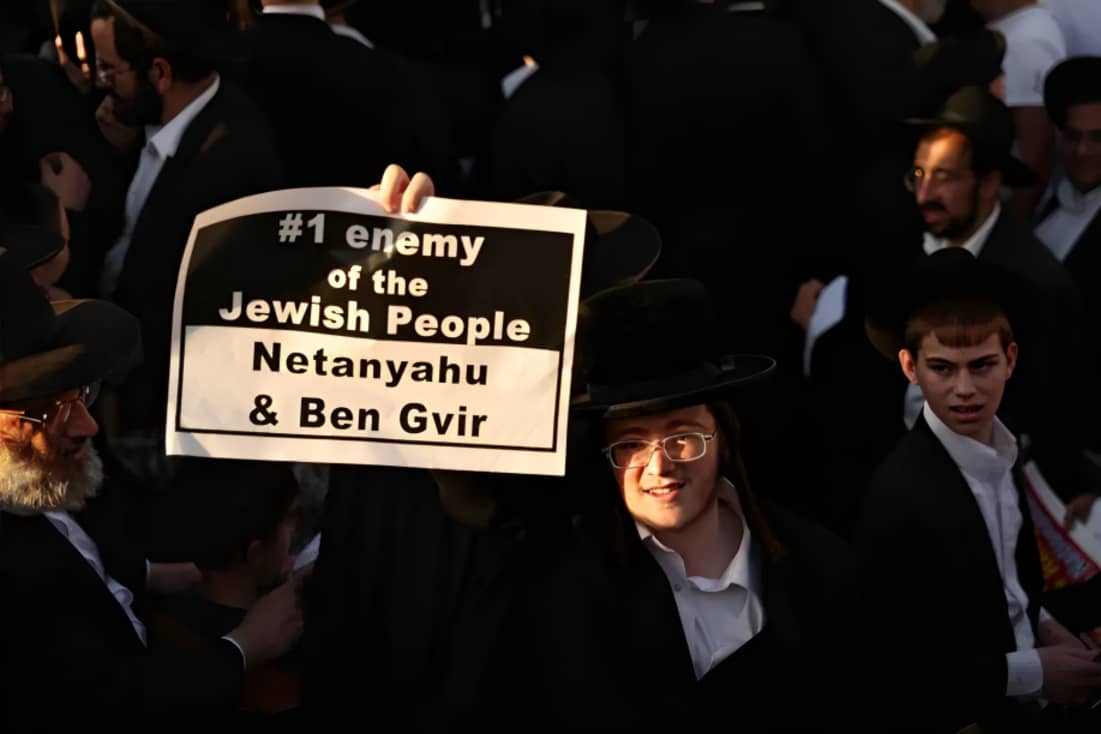
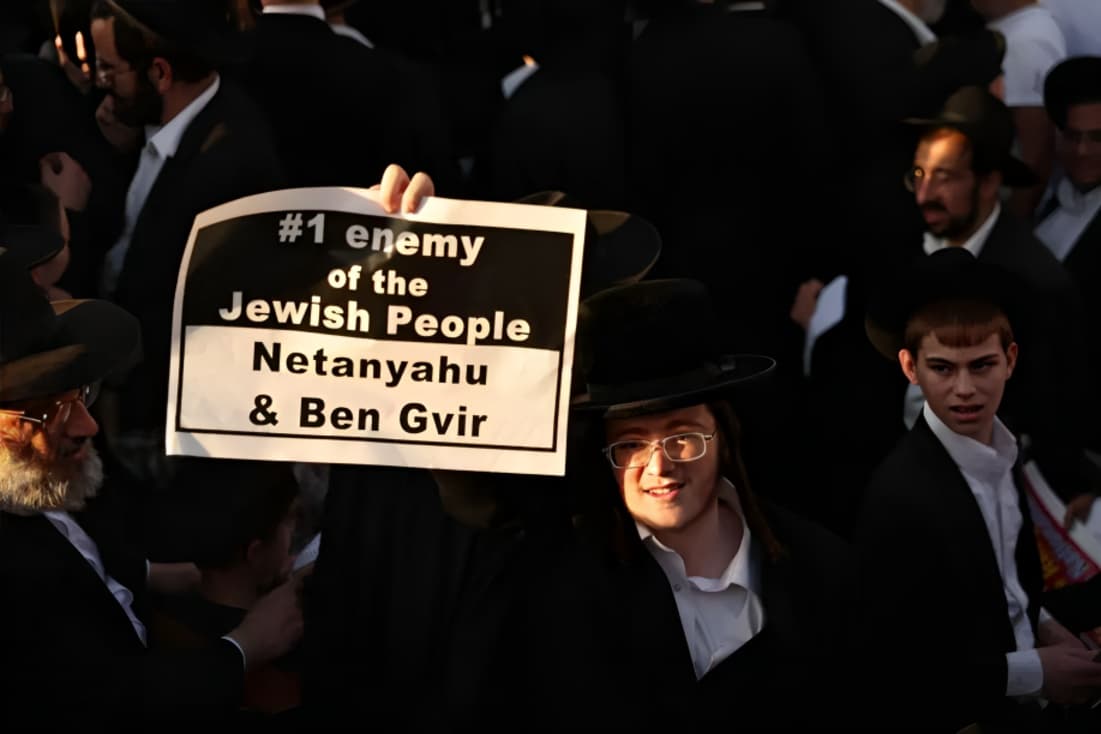
Israeli Prime Minister Benjamin Netanyahu has suffered a political setback after United Torah Judaism, one of his longtime political allies, declined to recommend him to form Israel's next government. The decision came following the October 27 election and has drawn attention to the changing political relationship between Netanyahu and the ultra-Orthodox party.
United Torah Judaism has been a longstanding political partner of Netanyahu. Its decision not to recommend him represents an important development in the discussions surrounding the formation of the next Israeli government. The move has also raised questions about the level of support Netanyahu can expect from parties that have traditionally worked alongside him.
The decision does not automatically mean that Netanyahu has lost the ability to form a government. However, the refusal by a longtime ally could complicate political negotiations and create uncertainty over the support available to his leadership.
United Torah Judaism Changes Its Position
United Torah Judaism is an ultra-Orthodox political party in Israel and has been associated with Netanyahu's political alliances for several years. Its decision to withhold a recommendation following the October 27 election marks a notable development in the relationship between the party and the Israeli leader.
Political parties play an important role in Israel's parliamentary system. Following an election, discussions among party leaders and representatives can influence who receives the opportunity to form the next government.
In this situation, United Torah Judaism's decision not to recommend Netanyahu has attracted attention because of its previous relationship with him. Support from political allies can be important when a leader seeks to build the parliamentary backing required to govern.
The party's latest position therefore raises questions about whether Netanyahu can continue relying on the same political partnerships that have supported him in the past.
Why the Decision Matters for Netanyahu
For Netanyahu, the decision represents a political challenge at an important stage of government formation. A leader seeking to form a government generally needs support from multiple political parties, particularly in a parliamentary system where no single party may have enough seats to govern independently.
When a traditional ally refuses to support a leader, negotiations can become more complicated. The leader may need to seek support from other parties, reconsider political arrangements or explore alternative agreements.
United Torah Judaism's decision could therefore affect the political discussions surrounding Netanyahu's next steps. The party's position may also influence how other political groups assess possible alliances.
However, the supplied report does not explain the reasons behind the party's decision. It also does not provide details about whether the party is considering supporting another candidate or remaining outside the government formation process.
Israel's Government Formation Process
Israel follows a parliamentary system in which government formation depends on political support in the legislature. After an election, political parties assess their positions and consider possible arrangements with other groups.
The process can involve negotiations between parties with different political priorities and policy positions. Leaders seeking to form a government must build sufficient parliamentary support to secure the confidence needed to govern.
Recommendations from political parties can form part of the discussions that follow an election. When a major political ally declines to recommend a particular leader, it can signal a change in political relationships and affect the negotiations.
In Netanyahu's case, United Torah Judaism's decision has introduced another challenge into the political situation following the October 27 election.
The final outcome will depend on the wider political discussions, the positions taken by other parties and the available parliamentary support. The refusal by one party does not by itself determine who will eventually lead the next government.
Role of Ultra-Orthodox Parties in Israeli Politics
Ultra-Orthodox political parties have been important participants in Israel's political system. Their support can become significant during government formation, particularly when major parties need additional partners to secure a parliamentary majority.
United Torah Judaism has traditionally represented ultra-Orthodox political interests. Its participation in political alliances has made it an important party in negotiations involving government formation.
The party's decision not to recommend Netanyahu is therefore attracting attention beyond its immediate relationship with the Israeli leader. It highlights the importance of political partnerships and the possibility that longstanding alliances can change after an election.
For Netanyahu, maintaining relationships with political partners has been an important part of building support. The latest development suggests that those relationships may require further negotiations.
Political Uncertainty Following the October 27 Election
The October 27 election has been followed by renewed political discussions over the formation of Israel's next government. United Torah Judaism's refusal to recommend Netanyahu has added another development to the post-election political situation.
The decision has created questions about the next stage of negotiations and the political support Netanyahu may receive. Other parties' positions will be important in determining whether he can secure the backing required to form a government.
At this stage, the supplied report does not provide the election results, the number of parliamentary seats held by individual parties or the positions of other political groups. These details are necessary to assess the full impact of United Torah Judaism's decision.
It is also unclear from the supplied information whether the party's position is temporary or part of a broader change in its political relationship with Netanyahu.
What Happens Next?
The next stage will depend on discussions between Israeli political parties and their decisions about possible government arrangements. Netanyahu may need to seek support from other political groups if United Torah Judaism maintains its current position.
The party's refusal to recommend him has highlighted the challenges involved in maintaining political alliances after an election. It also demonstrates how the position of a longtime partner can influence government formation discussions.
For now, the main development is United Torah Judaism's decision not to recommend Benjamin Netanyahu to form Israel's next government. Whether this becomes a major obstacle to his political future will depend on the support he receives from other parties and the outcome of the subsequent negotiations.