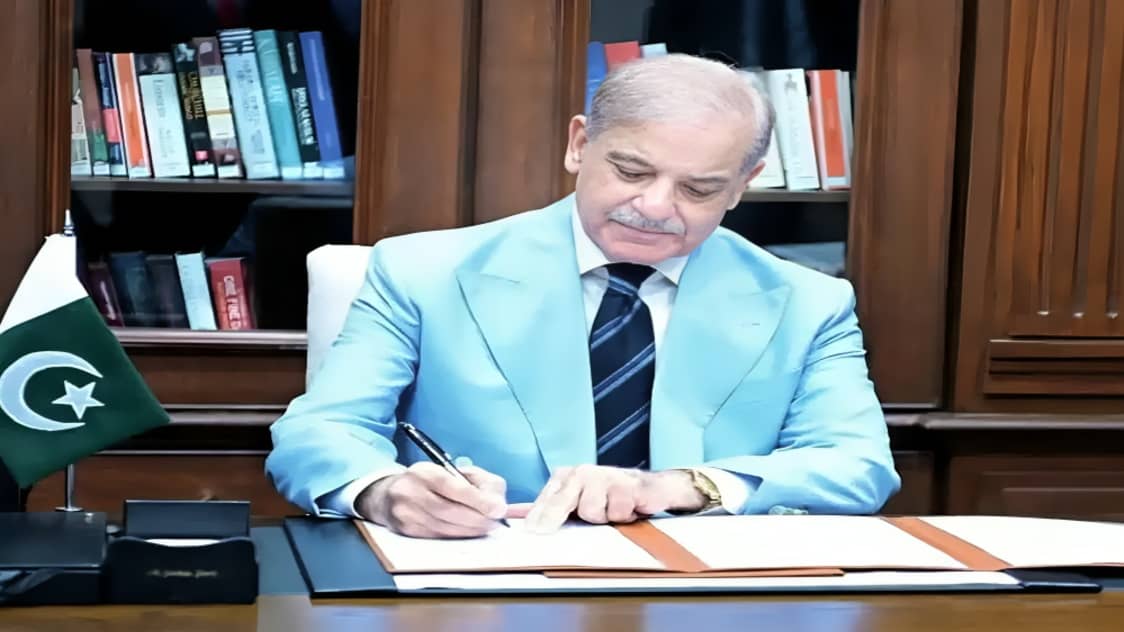
Pakistan has formally sought a 10 billion dollar financial facility from the United States as Islamabad looks to strengthen its foreign exchange position and reduce pressure on its economy.
Pakistan Finance Minister Muhammad Aurangzeb confirmed that discussions are taking place with the US Treasury Department regarding an Exchange Stabilisation Support Facility. The proposed mechanism is intended to provide additional financial support to Pakistan and strengthen confidence in the country's currency and foreign exchange reserves.
The request comes at a time when Pakistan is attempting to improve its external financial position and return to international capital markets. The government is also implementing reforms under an International Monetary Fund programme while seeking additional sources of financing that can provide greater stability.
The proposed facility is different from a conventional development loan or direct budgetary assistance. An exchange stabilisation facility can provide a financial backstop that helps a country manage pressure on its foreign exchange reserves and currency. Pakistan's proposal is therefore aimed primarily at strengthening its financial buffer rather than simply meeting immediate government expenditure.
According to reports, Islamabad wants the facility to help strengthen the State Bank of Pakistan's foreign exchange position and provide greater confidence to investors. A stronger reserve position can help a country meet external payment obligations and manage periods of pressure on its currency.
Pakistan's economy has faced recurring external financing challenges over several years. The country has frequently relied on support from international institutions and friendly countries to manage balance of payments pressures and meet external financing requirements.
The latest request reflects Islamabad's effort to establish more predictable financial support mechanisms. Pakistan's Finance Minister has said the country wants to move towards market based financing and improve its sovereign credit rating. These objectives are linked to efforts to attract investment and strengthen access to international financial markets.
The proposal was previously reported in July, when Pakistan's finance minister raised the issue with US Treasury Secretary Scott Bessent. The proposed facility could have a maturity of up to five years, according to earlier reports. The US Treasury has not publicly confirmed that it has agreed to provide the requested amount.
The request also comes against the background of Pakistan's broader diplomatic engagement with the United States and other countries. Islamabad has sought to strengthen its international economic relationships while continuing its reform programme.
Pakistan's foreign exchange position has improved compared with the previous year, but the country continues to face significant external financing requirements. Official Pakistani planning documents show that gross State Bank reserves had reached 17.2 billion dollars by May 29, 2026, compared with 11.5 billion dollars a year earlier. The same document reported total external debt and liabilities of 137.6 billion dollars at the end of March 2026.
The proposed US facility could therefore serve as an additional financial cushion if Washington agrees to the request. However, the final structure, conditions and availability of the facility would depend on negotiations between the two governments.
For Pakistan, securing such support could help improve investor sentiment by demonstrating that additional foreign currency liquidity is available during periods of financial stress. It could also help Islamabad manage exchange rate pressures and meet external obligations.
For the United States, any decision would involve economic and strategic considerations. A financial arrangement with Pakistan could strengthen bilateral engagement, but Washington would also need to assess the financial risks and conditions attached to such support.
Pakistan's request has attracted attention because comparable exchange stabilisation arrangements are relatively unusual. Reuters previously reported that Pakistan was seeking a 10 billion dollar facility that could provide a financial backstop for its reserves and ease pressure on the Pakistani rupee.
The proposal is still subject to negotiations, and there is no confirmed indication that the United States has approved the full 10 billion dollar amount.
The development highlights Pakistan's continuing efforts to move away from repeated emergency financing and towards a more stable external financing model. Whether the proposed US facility becomes available will depend on the outcome of discussions with the US Treasury and the broader assessment of Pakistan's economic reforms.
For international investors, the request is another indication that foreign exchange stability remains a major priority for Islamabad. Pakistan's ability to build reserves, increase exports, attract investment and maintain fiscal discipline will remain important to its long term economic stability.
The proposed 10 billion dollar facility is therefore being watched closely as Pakistan seeks to strengthen its financial position while reducing its dependence on repeated support from international and friendly-country sources.