November 24, 2026
Russia is facing renewed international scrutiny over its military and strategic activities across Europe, East Asia and outer space. Recent developments involving Estonia and South Korea have raised concerns about regional stability and international security.
Moscow has accused Estonia of taking actions that could lead to a direct confrontation between the neighbouring countries. Meanwhile, Russian military aircraft entering South Korea’s air defence identification zone prompted Seoul to deploy fighter jets in response.
Reports concerning a possible Russian nuclear armed satellite have also raised concerns within Western intelligence circles about Moscow’s strategic ambitions in space.
Although these developments have occurred in different geographical regions, they have drawn attention to Russia’s military posture beyond the ongoing conflict in Ukraine.
Russia Warns Estonia Over Border Closure Decision
Diplomatic tensions between Russia and Estonia have increased following Tallinn’s announcement that it intends to close its land border crossings with Russia from December 1, 2026, for at least six months.
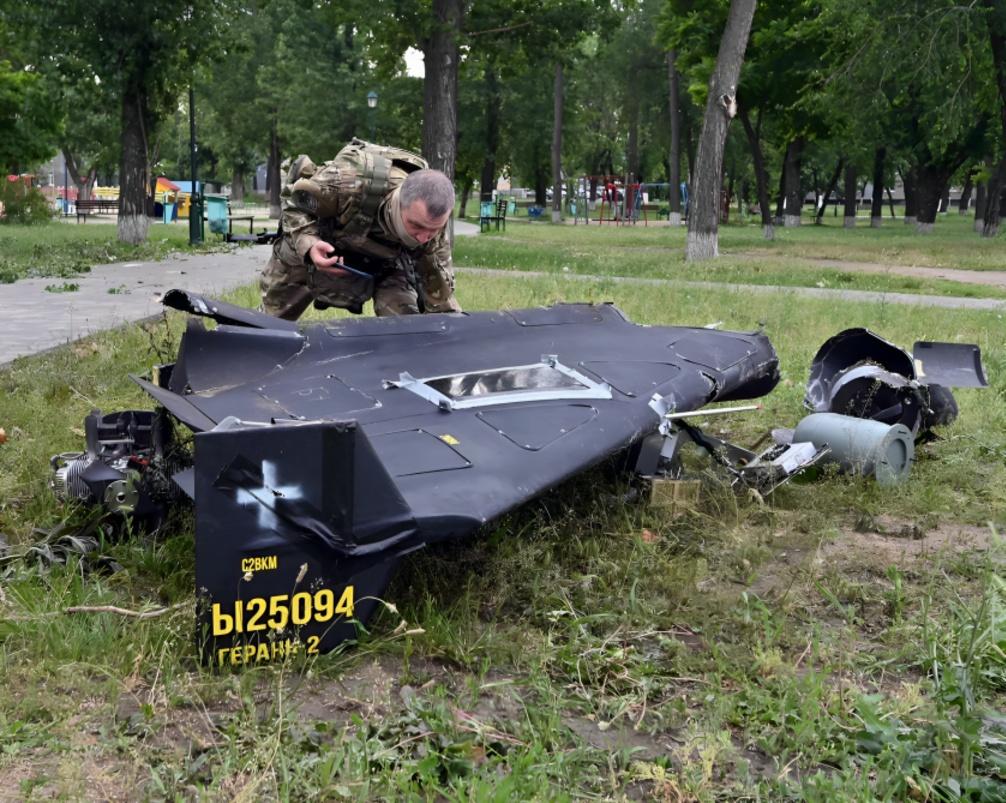
The decision followed allegations by Estonian authorities that Russian security services were involved in an attempted arson attack targeting an Estonian defence company.
Russia has denied involvement in the alleged incident.
Moscow criticised Estonia’s proposed border restrictions and warned that escalating tensions could bring the neighbouring countries closer to an open confrontation.
The allegations concerning the attempted arson attack remain disputed, and independent verification is necessary to establish responsibility.
The proposed border closure could affect cross-border travel, commercial activities and diplomatic relations between the two countries.
Growing Security Concerns Along NATO’s Eastern Flank
Estonia is a member of the North Atlantic Treaty Organization and shares a land border with Russia.
The country joined NATO in 2004 and has since participated in the alliance’s collective defence and regional security arrangements.
Recent tensions between Moscow and Tallinn have attracted attention because of Estonia’s geographical location along NATO’s eastern flank.
Relations between Russia and several NATO member countries have deteriorated significantly since the beginning of Russia’s full-scale invasion of Ukraine in February 2022.
European governments have increased their focus on border security, defence preparedness and critical infrastructure protection.
However, the latest diplomatic dispute does not establish that a military confrontation between Russia and Estonia is imminent.
South Korea Deploys Fighter Jets Following Russian Aircraft Activity
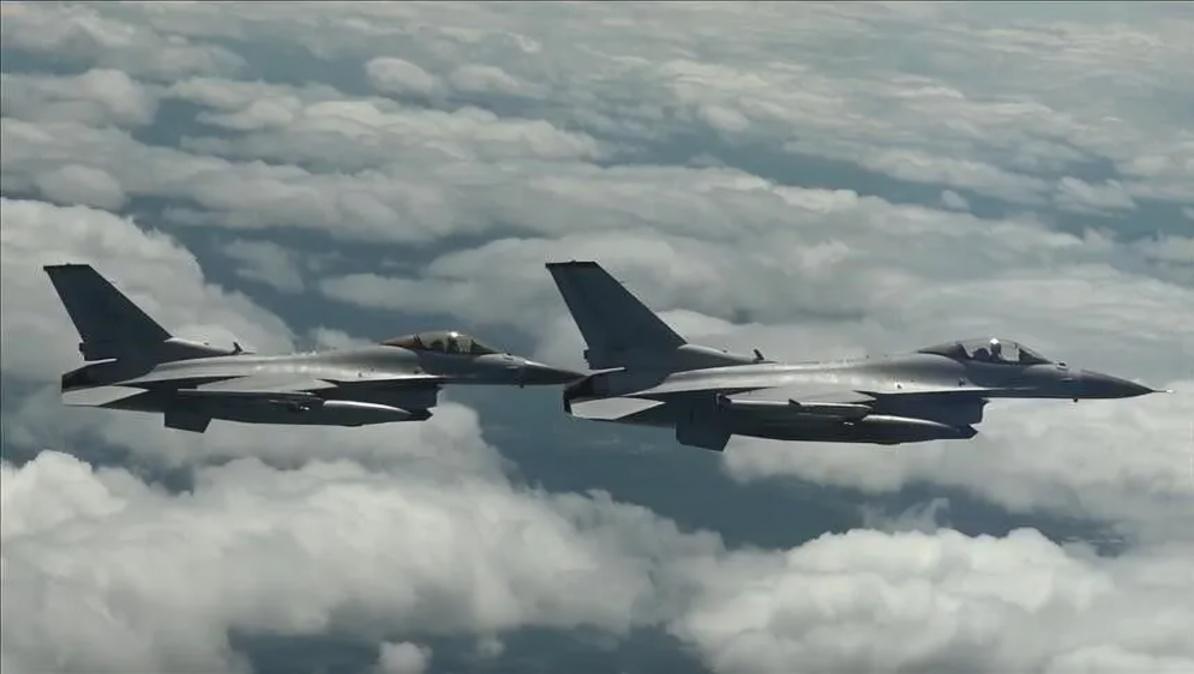
In East Asia, South Korea reportedly deployed fighter jets after Russian military aircraft entered its air defence identification zone.
The development has raised renewed concerns regarding foreign military aircraft activity near the Korean Peninsula.
An air defence identification zone is an area in which a country seeks to identify and monitor aircraft for national security purposes.
Such zones can extend beyond a country’s sovereign airspace. Entry into an air defence identification zone does not automatically constitute a violation of territorial airspace.
The information provided does not establish whether the Russian aircraft entered South Korea’s sovereign airspace.
Further details regarding the incident, including the number of aircraft involved and their flight routes, were not included in the supplied report.
Russian Military Activities Draw Attention in East Asia
Military aircraft activity near the Korean Peninsula remains an important security consideration for South Korea and neighbouring countries.
The region has experienced continuing geopolitical tensions involving North Korea, South Korea, China, Russia, Japan and the United States.
Russia’s growing strategic relationship with North Korea has also attracted international attention in recent years.
Military encounters involving foreign aircraft can increase concerns about communication, operational safety and the possibility of unintended confrontations.
Regional governments rely on surveillance systems, diplomatic communication and established military procedures to manage such situations.
Maintaining effective communication between countries remains important for reducing the risk of misunderstandings and unintended escalation.
Reports of Possible Russian Nuclear Armed Satellite Raise Concerns
Reports concerning a possible Russian nuclear armed satellite launch have raised additional concerns regarding international space security.
Western intelligence assessments have previously drawn attention to the potential development of Russian space based anti-satellite capabilities.
Satellites play an essential role in global communications, navigation, weather forecasting, financial transactions, emergency response and national security.
Any weapon capable of causing widespread damage to satellite infrastructure could have serious consequences for civilian and military services.
However, the supplied information does not establish that Russia has launched a nuclear armed satellite or confirm a launch schedule.
Reports concerning such capabilities should therefore be distinguished from verified evidence of an operational weapon in orbit.
International Space Security and the Outer Space Treaty
The Outer Space Treaty of 1967 establishes important principles governing the exploration and use of outer space.
The treaty prohibits countries from placing nuclear weapons or other weapons of mass destruction in orbit around Earth.
Russia and the United States are parties to the international agreement.
Concerns regarding possible nuclear weapons in space have renewed discussions about arms control, international cooperation and the protection of satellite infrastructure.
The potential consequences of military escalation in space extend beyond individual countries because modern economies depend heavily on satellite based services.
Global Security Challenges Extend Beyond Ukraine
The developments involving Estonia, South Korea and reported Russian space capabilities highlight the wider geographical scope of contemporary international security concerns.
While the situations involve different political and military circumstances, each has attracted attention to Russia’s strategic activities.
Diplomatic engagement, international agreements and effective communication remain important mechanisms for preventing unintended confrontations.
Further developments will depend on official responses from Russia, Estonia, South Korea and other relevant international authorities.
Independent verification of disputed allegations and intelligence reports remains essential for accurately assessing the evolving global security situation.