November 24, 2026
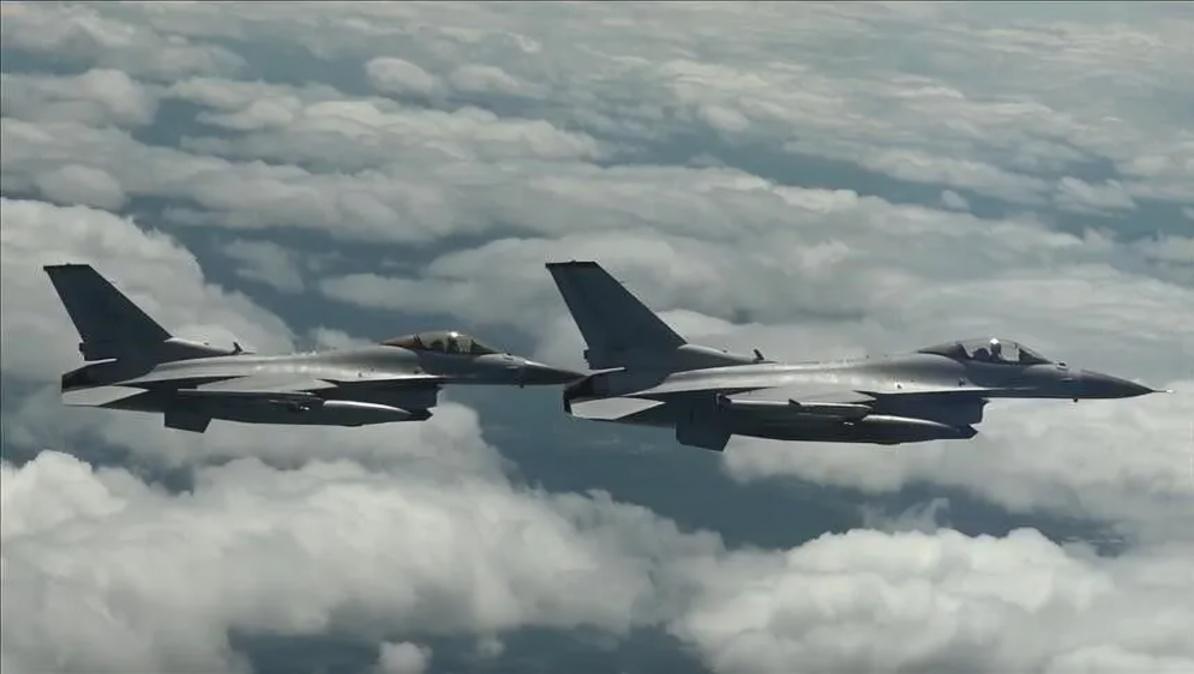
South Korea scrambled fighter jets after several Russian military aircraft entered its Korea Air Defence Identification Zone, commonly known as KADIZ, off the country’s eastern coast.
According to South Korea’s Joint Chiefs of Staff, as reported by Yonhap News Agency, the Russian aircraft briefly entered the designated zone over the East Sea on November 17 before departing.
The South Korean military confirmed that the Russian aircraft did not violate the country’s sovereign airspace.
The incident has drawn renewed attention to military activities near the Korean Peninsula and the challenges associated with monitoring foreign aircraft operating in regional air defence identification zones.
South Korean Military Conducts Precautionary Operations
South Korea’s military had been monitoring the Russian aircraft before they approached the air defence identification zone.
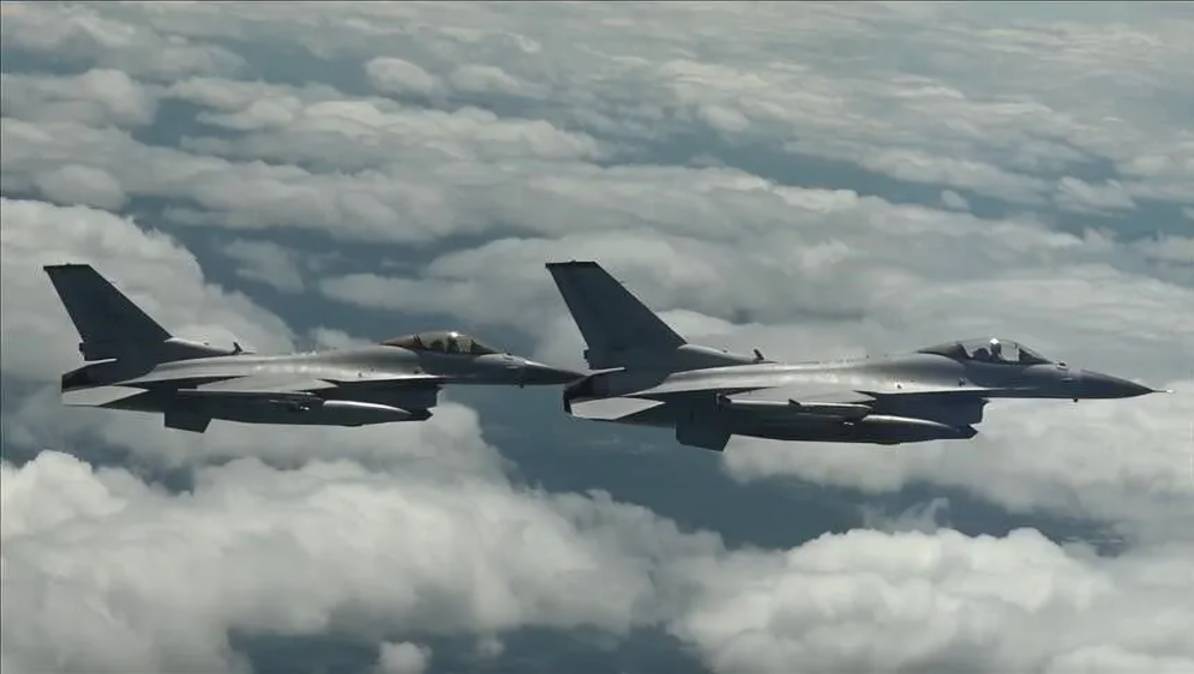
As the aircraft entered the designated area, South Korean authorities deployed fighter jets as a precautionary measure to prevent potential incidents.
The Joint Chiefs of Staff stated that the fighter jets conducted tactical manoeuvres intended to prevent possible confrontation and maintain operational safety.
The Russian aircraft subsequently departed the identification zone without entering South Korea’s territorial airspace.
The exact number and types of Russian military aircraft involved were not disclosed in the supplied report.
The deployment of South Korean fighter jets was described as a precautionary response rather than an indication of direct military confrontation.
Understanding South Korea’s Air Defence Identification Zone
The Korea Air Defence Identification Zone is a designated area in which South Korean authorities monitor and identify aircraft for national security purposes.
Air defence identification zones allow countries to track approaching aircraft and assess potential security concerns before those aircraft reach their territorial airspace.
However, an air defence identification zone is different from sovereign airspace.
Such zones can extend beyond a country’s territorial boundaries into international airspace.
Entry into an air defence identification zone does not automatically constitute a violation of international law or national sovereignty.
This distinction is particularly important when reporting military encounters involving foreign aircraft.
In the latest incident, South Korea’s military confirmed that the Russian aircraft entered KADIZ but did not violate the country’s sovereign airspace.
Russia and China Dispute South Korea’s Identification Requirements
Russia and China have previously challenged South Korea’s position regarding aircraft identification requirements within parts of KADIZ.
Differences concerning the recognition and application of air defence identification zones have contributed to recurring military encounters in East Asia.
South Korea has previously deployed fighter jets in response to Russian and Chinese military aircraft entering its designated identification zone.
These encounters have increased the importance of military monitoring, diplomatic communication and regional security coordination.
However, the supplied report identifies Russian military aircraft as being involved in the November 17 incident and does not establish Chinese participation.
East Sea Remains Strategically Important
The East Sea, internationally also known as the Sea of Japan, is an important geographical area for regional maritime and aviation security.
The surrounding region includes the Korean Peninsula, Japan and Russia’s eastern territories.
Military activities in this area frequently attract attention because of the strategic interests of several regional powers.
The region also contains important commercial shipping routes and international aviation corridors.
Military aircraft operating in international airspace near national boundaries can create challenges for neighbouring countries responsible for monitoring potential security threats.
Effective communication and established aviation procedures are important for reducing the possibility of misunderstandings and unintended confrontation.
Regional Security Concerns Near the Korean Peninsula
The latest incident comes against a broader background of geopolitical tensions in Northeast Asia.
South Korea continues to monitor military developments involving North Korea, Russia and China while maintaining its security partnership with the United States.
Russia’s strategic relationship with North Korea has also attracted international attention in recent years.
Although the November 17 aircraft incident did not involve a confirmed territorial airspace violation, it highlights the continuing importance of regional military preparedness.
The available information does not establish a direct connection between this incident and other military or diplomatic developments involving Russia.
Difference Between Military Monitoring and Armed Confrontation
The deployment of fighter jets in response to unidentified or approaching foreign military aircraft is an established precautionary procedure used by several countries.
Such deployments allow military authorities to identify aircraft, monitor their movements and respond to potential security concerns.
Scrambling fighter jets does not necessarily indicate that an armed confrontation has occurred or that military hostilities are imminent.
In this case, the Joint Chiefs of Staff confirmed that the Russian aircraft departed the identification zone without violating South Korea’s sovereign airspace.
The distinction between routine military monitoring and an actual territorial violation remains essential for accurately understanding the incident.
Importance of Regional Military Communication
Military encounters involving aircraft from different countries demonstrate the importance of reliable communication and operational coordination.
Clear communication between relevant authorities can help prevent misunderstandings, accidental confrontations and unnecessary escalation.
Diplomatic engagement and established military communication mechanisms can also contribute to regional stability.
Countries operating military aircraft near international boundaries must balance their security interests with aviation safety considerations.
The latest encounter highlights the importance of maintaining effective procedures for managing foreign military aircraft activity near sensitive geographical regions.
Further Official Details Awaited
South Korea’s Joint Chiefs of Staff has confirmed that precautionary military measures were taken following the entry of Russian aircraft into KADIZ.
The supplied report does not include an official response from the Russian government or additional information regarding the purpose of the flights.
Further official statements may provide greater clarity regarding the circumstances surrounding the incident.
For now, the development represents another reported military encounter within South Korea’s air defence identification zone rather than a confirmed violation of its territorial airspace.