Houthis Reportedly Attack Military Position in Yemen’s Lahij
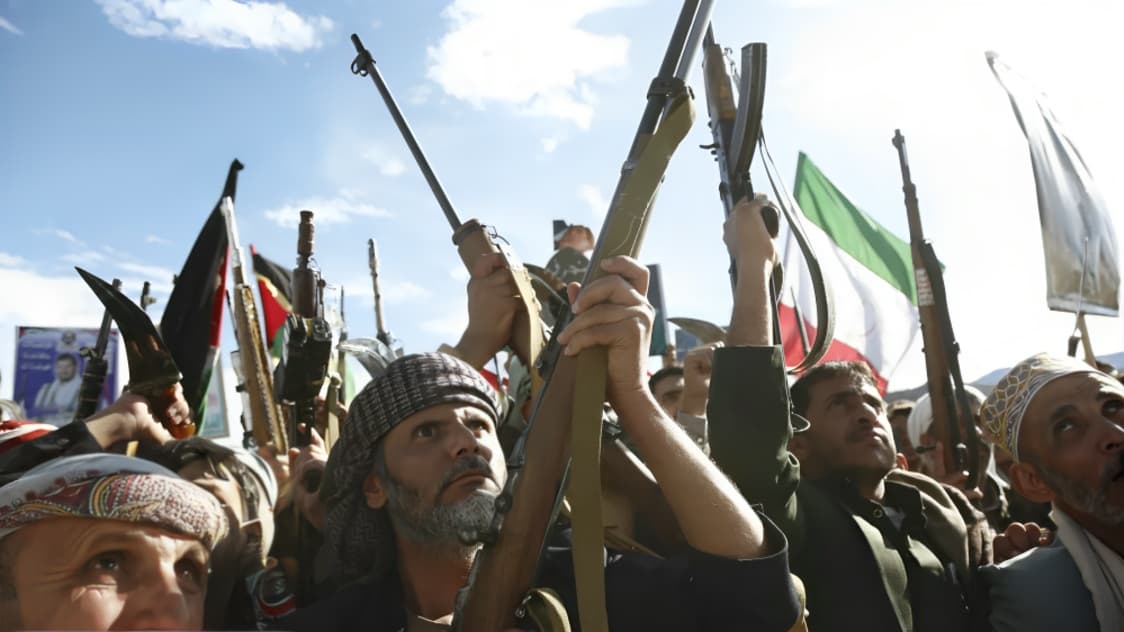
Fighting in Yemen intensified on October 24, 2026, after Houthi fighters reportedly launched a pre-dawn attack on a military position at al-Maqatra Castle in Lahij governorate in southern Yemen. The incident was reported by Al Jazeera Arabic, which cited a military source familiar with developments in the area.
According to the source, the assault began at approximately 2 am local time. Houthi military movements and preparations had reportedly been observed from Friday evening, while a reconnaissance drone was said to have flown over the military position on Thursday evening. Forces stationed at the location reportedly attempted to bring down the drone before the attack.
The reported assault came as fighting resumed between Houthi fighters and forces aligned with Yemen’s internationally recognised government on the eastern front near Taiz. Reports described the use of heavy and medium weapons, artillery and air strikes in the renewed clashes. However, independently confirmed details about casualties, damage and the immediate outcome of the Lahij attack were not available in the initial reports.
The latest developments highlight continuing insecurity in Yemen, where fighting between the Houthis and rival forces has repeatedly affected civilian communities, infrastructure and access to essential services.
Air Strikes Reported in Sanaa and Mocha
Separately, Houthi-affiliated Al-Masirah television reported air strikes in Sanaa, the Houthi-controlled capital, and the port city of Mocha on October 24. The reports followed information from a field source cited by Al Jazeera Arabic about a series of air raids on Mocha by Yemeni government warplanes.
Initial reports did not establish the full extent of the damage or provide a complete, independently verified casualty count. Information about the precise targets and the parties responsible for every reported strike also remained limited.
An AFP report carried by NAMPA said Houthi media had reported deadly air strikes in Sanaa governorate and attacks around Mocha. Houthi-affiliated sources reported deaths and injuries, but those claims require caution until further independent confirmation becomes available.
The reported strikes and the attack in Lahij illustrate how violence is continuing across different parts of Yemen. The country remains divided between competing authorities and armed groups, with shifting front lines and regional involvement complicating efforts to restore stability.
Saudi Arabia Reports Interceptions of Houthi Missiles
Saudi Arabia also reported security alerts and missile interceptions as tensions continued across the region. According to reports published on October 24, Saudi-led coalition air defences intercepted and destroyed two ballistic missiles reportedly directed towards Taif and Yanbu.
Saudi Civil Defence had briefly issued potential-threat alerts for Mecca, Jeddah, Taif and Yanbu. Authorities later announced that the danger had passed. The initial alerts did not include a full explanation of the threat, and publicly available information did not establish whether damage or casualties resulted from the missile incidents.
The reported interceptions followed broader concerns about attacks involving the Houthi movement and regional military and energy infrastructure. Saudi Arabia has been affected by cross-border security threats during previous phases of the Yemen conflict, making missile alerts particularly significant for civilian safety and regional stability.
These reports should be distinguished from independently verified battlefield assessments. Information about the interceptions was attributed to Saudi or coalition statements, and further details could emerge as authorities release additional information.
Iran Warns US Military Vessels Against Entering the Gulf
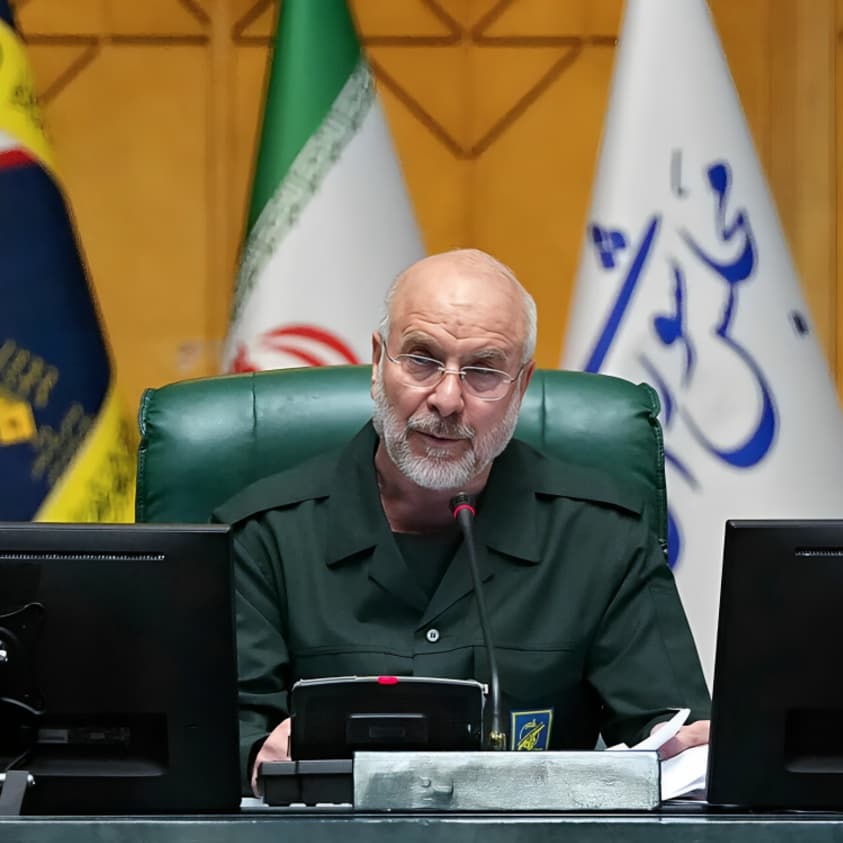
At the same time, tensions between Iran and the United States remained high. Iran’s senior military leadership warned that US military vessels would not be permitted to enter the Gulf under any circumstances, according to reporting by Al Jazeera.
The warning came amid continuing disagreements over the conflict, maritime security and access to the Strait of Hormuz, a strategically important waterway connecting the Persian Gulf with the Gulf of Oman. The route is crucial to international energy transportation, and any disruption can affect shipping schedules, insurance costs and oil-market expectations.
Reports also described incidents involving commercial vessels near the Strait of Hormuz. A separate update from the UK Maritime Trade Operations organisation said a tanker had reported being struck by an unknown projectile while transiting the area near Oman. The vessel was reportedly able to continue towards its next port of call.
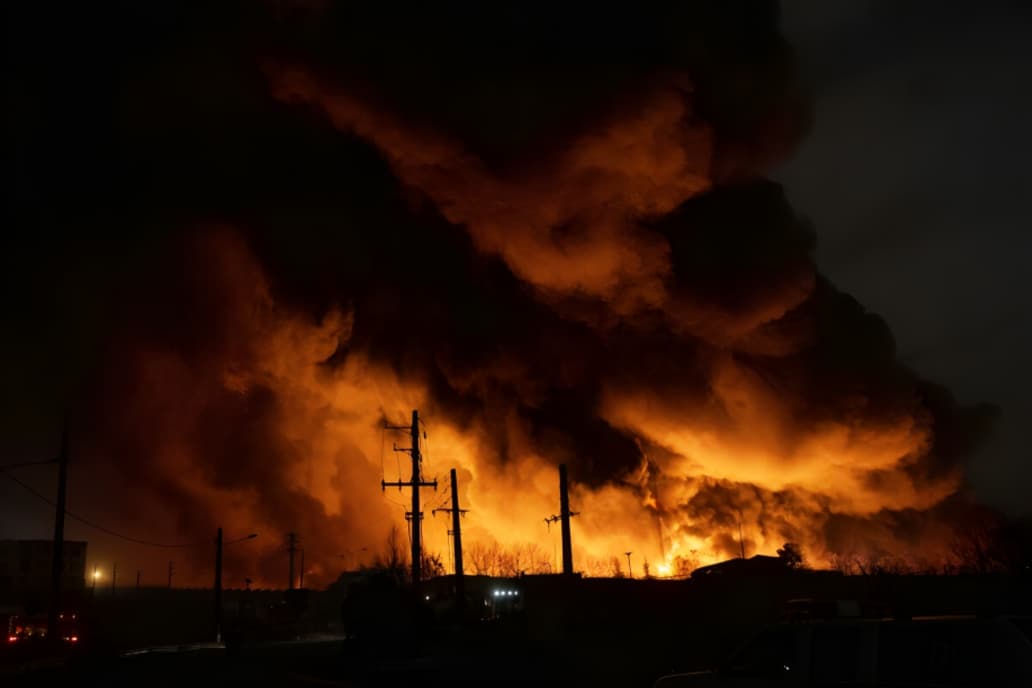
Another report published by The Times of India said Iran’s Islamic Revolutionary Guard Corps Navy claimed that an oil tanker caught fire and exploded after striking a naval mine in the southern Strait of Hormuz. These are distinct reports and should not be assumed to describe the same vessel or incident without further confirmation.
The situation has raised concerns about the safety of commercial shipping and the potential consequences for global energy supplies. The Strait of Hormuz is one of the world’s most important oil transit routes, making the security of vessels passing through it a major international concern.
Displacement and Military Operations in the Occupied West Bank
The regional crisis also coincided with a major Israeli military operation in Hebron in the occupied West Bank. Palestinian news agency WAFA reported that Israeli forces had forced residents to leave homes in the al-Jalda and Deir Baha neighbourhoods. It reported that more than 200 families had been displaced and that additional residents faced possible evacuation.
Reuters separately reported that around 1,200 Palestinians had been displaced as Israeli forces carried out searches and announced plans for demolitions following an attack near a military checkpoint in which two Israeli soldiers were killed. Reports from Palestinian sources gave higher figures for the number of residents affected, illustrating differences in the estimates available at the time.
The operation has disrupted movement in parts of Hebron, with road closures and restrictions affecting residents’ access to homes, workplaces and services. Palestinian officials have called for international intervention, while Israeli forces have described the operation as a security measure following the attack.
These developments are separate from the fighting in Yemen but form part of the wider regional security picture. The situation across the Middle East remains complex, with military operations, threats to shipping and displacement affecting civilians in several locations.
Humanitarian Concerns Grow as Fighting Continues
Renewed clashes in Yemen are also raising concerns about humanitarian access. Conflict-related road closures, insecurity and damage to infrastructure can prevent food assistance from reaching vulnerable communities and make it harder for medical teams to operate safely.
Humanitarian organisations have repeatedly warned that fighting in Yemen places hospitals, health facilities and supply routes under pressure. Any further escalation around Taiz, Lahij or the Red Sea coast could complicate relief operations, particularly in areas where civilians already face shortages and limited access to essential services.
In the occupied West Bank, displacement and movement restrictions have also disrupted daily life. Families forced to leave their homes may struggle to find temporary accommodation, while road closures can limit access to medical care, education and employment.
The immediate humanitarian consequences of the latest reported attacks in Lahij and other parts of Yemen were not fully established in the initial accounts. Further verified information about casualties, infrastructure damage and civilian displacement will be important in assessing the scale of the impact.
What Happens Next?
The situation remains fluid, with reports of renewed fighting in Yemen, missile interceptions in Saudi Arabia, heightened US-Iran tensions and Israeli military operations in the occupied West Bank. Further developments will depend on military activity, official announcements and the security situation around key shipping routes.
For Yemen, the immediate questions include whether clashes near Taiz and Lahij will intensify, whether further air strikes will be reported and whether the fighting will affect nearby communities or humanitarian operations.
For the wider region, the security of commercial vessels passing through the Strait of Hormuz remains a major concern. Any further attacks or restrictions could have consequences for shipping and energy markets.
The reports available on October 24 indicate a broad escalation in regional tensions, but several battlefield details remain unverified or are based on statements from parties involved in the conflict. Casualty figures, responsibility for individual strikes and claims about specific military operations should therefore be updated only when reliable confirmation becomes available.