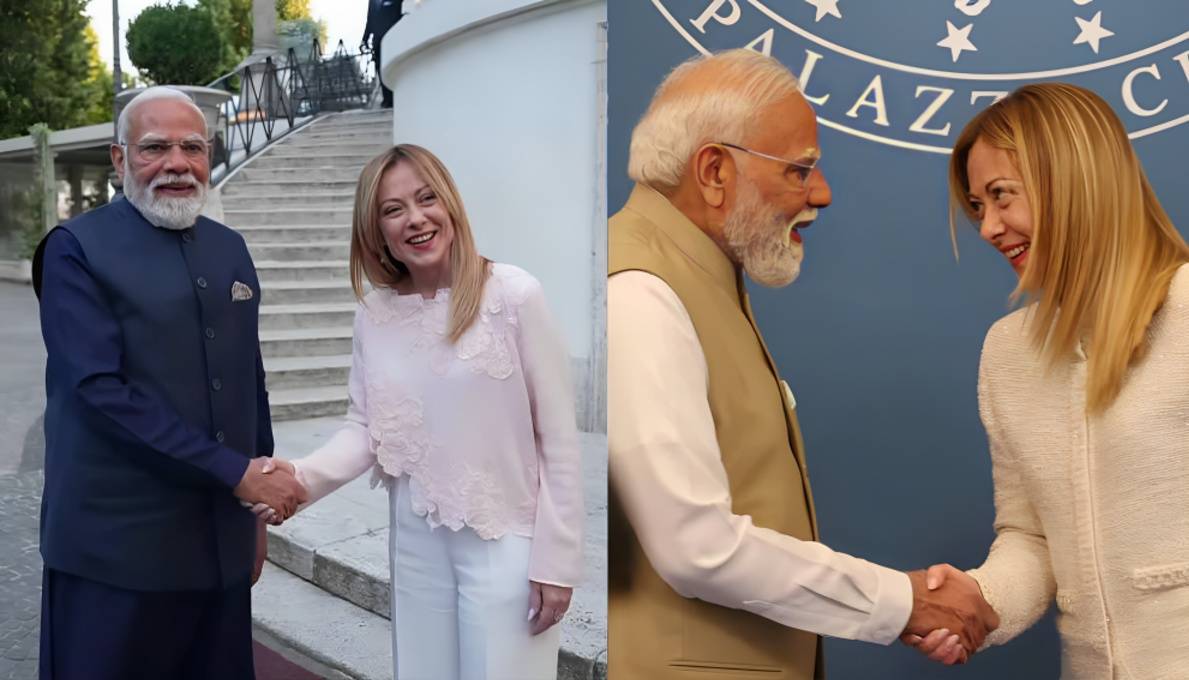
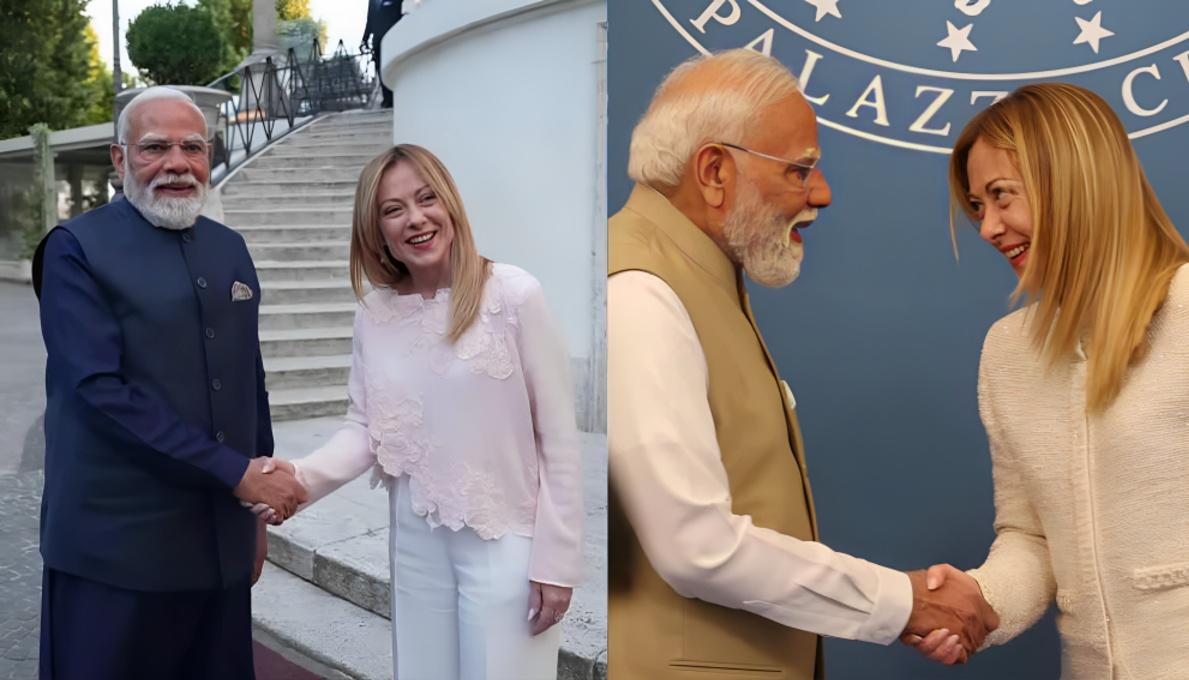
India and Italy have agreed to work towards increasing their bilateral trade to €20 billion by 2029, reflecting their shared interest in strengthening economic and commercial relations. The target represents an increase from the €14.2 billion in trade recorded between the two countries in 2025.
The announcement follows discussions between Union Commerce and Industry Minister Piyush Goyal and Italian Deputy Prime Minister and Foreign Minister Antonio Tajani during a meeting in Rome on November 18. According to Italy's Ministry of Foreign Affairs, the discussions covered opportunities to expand bilateral trade, improve the business environment and strengthen transport and economic connectivity between Asia and Europe.
The proposed trade target is part of broader efforts by both countries to deepen their economic partnership. India and Italy are looking to create more opportunities for businesses, encourage investment and make commercial procedures easier for companies operating in each other's markets.
Task Forces to Address Business and Administrative Challenges
One of the key decisions discussed during the meeting was the establishment of task forces in both India and Italy. These groups are expected to help businesses overcome bureaucratic and administrative difficulties that can affect cross-border trade and investment.
The task forces will focus on identifying procedural obstacles and exploring ways to simplify business-related processes. Their proposed role includes improving coordination between the two countries and making it easier for companies to understand and comply with relevant administrative requirements.
Complex procedures, delays and regulatory differences can create challenges for businesses seeking to enter foreign markets. By addressing such issues, India and Italy aim to create a more supportive environment for companies interested in expanding their operations.
The initiative could be particularly useful for small and medium-sized enterprises, which may face greater difficulties when dealing with unfamiliar regulations and administrative systems in another country. Simplified procedures and better communication between authorities could help businesses explore new commercial opportunities.
The task forces are also expected to support the broader objective of increasing trade and investment. However, the specific composition, operational arrangements and implementation timelines for these groups were not detailed in the information released about the meeting.
India-Middle East-Europe Economic Corridor Discussions
Another important subject discussed by the two sides was the India-Middle East-Europe Economic Corridor, commonly known as IMEC. The proposed corridor is intended to improve connectivity between India, the Middle East and Europe through a combination of maritime and railway networks.
The project is designed to create additional transport links for the movement of goods between major markets. By connecting shipping routes with railway infrastructure, IMEC aims to improve the movement of cargo and strengthen economic cooperation among participating regions.
For India, the proposed corridor could provide another route to European markets and support efforts to diversify international supply chains. Improved connectivity may also create opportunities in logistics, transportation, trade and energy-related activities.
The corridor is being discussed as a long-term connectivity initiative. Its development will depend on cooperation among the countries involved, infrastructure investment, logistical coordination and the completion of the necessary transport links.
Italy Highlights the Strategic Role of Mediterranean Ports
Italy is interested in strengthening the role of its Mediterranean ports as part of the proposed economic corridor. During the discussions, Antonio Tajani identified the port of Trieste as a potential entry point for goods travelling towards Central and Eastern Europe.
The port's geographical position could make it strategically important for cargo movement between Mediterranean shipping routes and European markets. If the proposed connectivity network develops, ports such as Trieste could help facilitate the onward transportation of goods to different parts of Europe.
For Italy, greater participation in IMEC could strengthen its position as a logistics and trade gateway between Asia and Europe. It could also create opportunities for port operators, transport companies and businesses involved in international supply chains.
The development of efficient transport connections is important for reducing delays and improving the reliability of international trade. Better coordination between maritime and railway networks could help businesses move products more efficiently across borders.
Opportunities for Trade, Investment and Energy Connectivity
According to Italy's Ministry of Foreign Affairs, IMEC could create new opportunities in areas such as trade, logistics and energy connectivity. These sectors are important for strengthening economic cooperation and improving links between the participating regions.
For Indian businesses, improved access to European markets could support exports and create opportunities to work with companies across different industries. Italian companies, in turn, could explore opportunities in India's growing market through trade partnerships, investments and business collaborations.
The proposed corridor could also contribute to supply-chain diversification by offering additional connectivity options. Businesses that depend on international transport networks may benefit from having more routes for moving goods between major markets.
Energy connectivity is another area identified as a potential opportunity. However, the precise projects and arrangements that could emerge under this aspect of the corridor will depend on future discussions and agreements among the participating countries.
A Broader Step Towards Strengthening India-Italy Relations
The €20 billion trade target and the proposed business task forces indicate a shared interest in expanding economic relations between India and Italy. The discussions also highlight the importance both countries attach to international connectivity and more efficient trade routes.
Achieving the target by 2029 will require sustained efforts from governments and businesses. Greater investment, stronger commercial partnerships, simplified procedures and improved market access could all contribute to increasing trade volumes.
The proposed IMEC corridor could complement these efforts by improving links between India and Europe. Italy's interest in its Mediterranean ports, particularly Trieste, also reflects the potential role of European logistics infrastructure in the proposed network.
While the trade target sets out an important objective, its achievement will depend on how effectively both countries translate their discussions into practical measures. The proposed task forces and continued cooperation on connectivity could form important parts of that process.
Overall, the latest discussions represent a step towards closer India-Italy economic cooperation, with a focus on expanding bilateral trade, reducing business barriers and exploring stronger transport links between Asia and Europe.