India has strongly criticised Turkey at the United Nations over the exclusion of New Delhi and several other member states from consultations on a draft resolution concerning cooperation between the United Nations and the Organisation of Islamic Cooperation (OIC). India described the exclusion as deliberate and raised concerns about the consultation process followed while preparing the resolution.
The draft resolution was adopted by the United Nations General Assembly despite opposition from India and five other countries. The resolution received 112 votes in favour, six votes against and 39 abstentions. India was among the countries that voted against the proposal, along with Armenia, Cyprus, Greece, Israel and the United States.
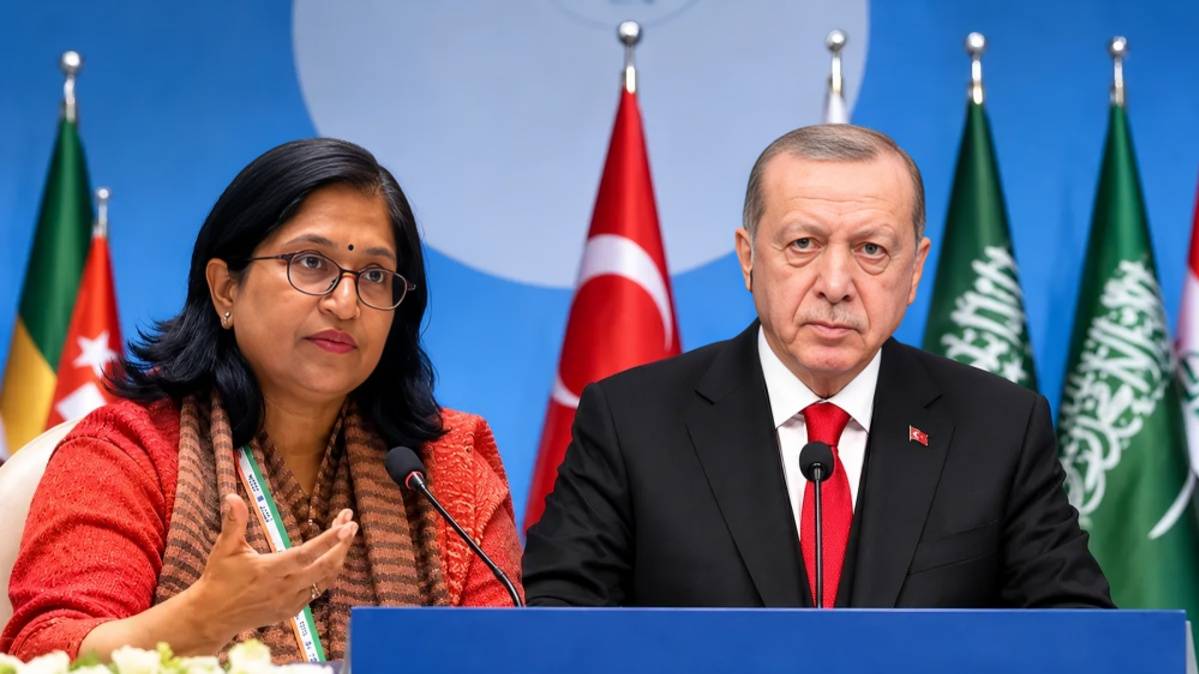
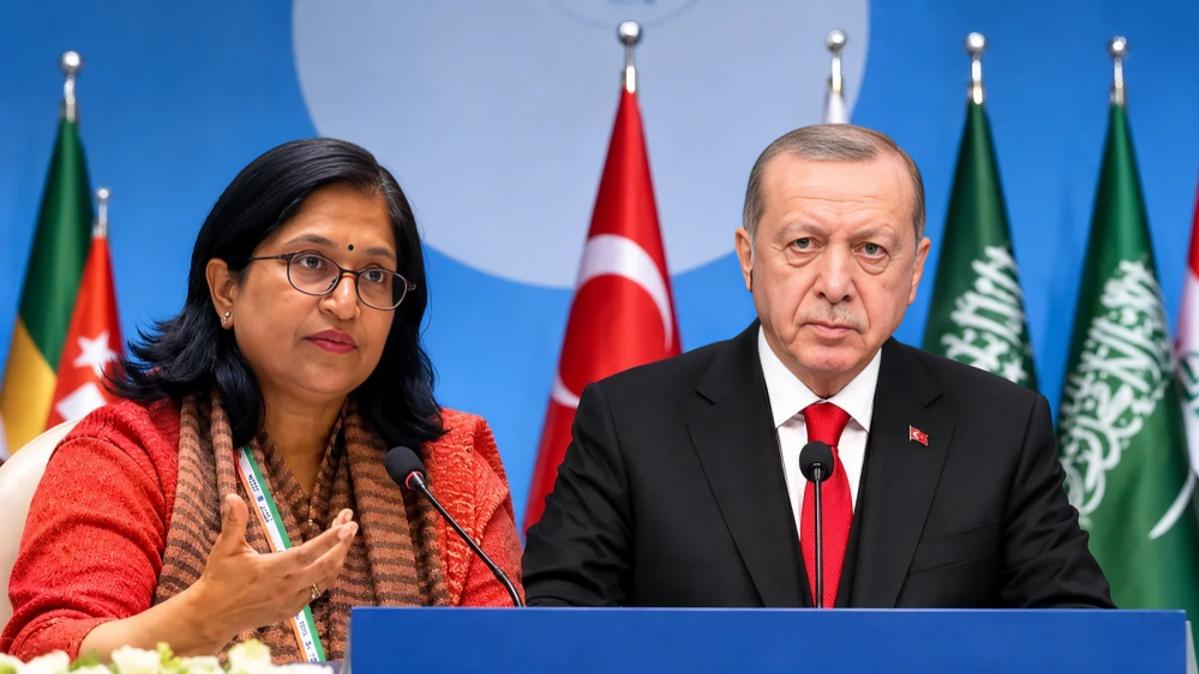
Iraq introduced the resolution, while Turkey served as its facilitator. During India's explanation of vote, Yojna Patel, the country's deputy permanent representative to the United Nations, criticised the way consultations had been conducted. She said the OIC's Permanent Observer Mission had excluded the Indian delegation and several other countries while circulating successive drafts of the resolution.
India also called for an investigation into the working methods followed by the resolution's facilitator. The objection has brought attention to the importance of transparency, equal participation and consultation among UN member states during the preparation of resolutions.
India Objects to Exclusion From Draft Consultations
India's main concern was that its delegation and several other member states were not included in consultations held during the preparation of the draft resolution. According to Yojna Patel, the OIC's Permanent Observer Mission excluded these countries while distributing successive versions of the document.
Consultations are an important part of the process through which countries discuss proposed resolutions, suggest changes and express their concerns before a matter is put to a vote. These discussions allow member states to participate in shaping the final wording of a proposal.
India argued that excluding countries from such consultations raises questions about the fairness and transparency of the process. The Indian delegation expressed concern that several member states were not given an opportunity to participate adequately in discussions surrounding the draft.
The issue became particularly significant because Turkey was acting as the facilitator of the resolution. India therefore called for an examination of the working methods adopted during the process.
India's objection was not limited to its own exclusion. Patel also referred to the exclusion of other member states, indicating that the concern involved the broader participation of countries in the consultation process.
Yojna Patel Raises India's Concerns at the United Nations
Yojna Patel, India's deputy permanent representative to the United Nations, presented the country's position while delivering its explanation of vote.
She described the exclusion of India and other countries as blatant and intentional. Her remarks reflected India's dissatisfaction with the manner in which the draft resolution had been prepared and circulated.
Patel said the OIC's Permanent Observer Mission had chosen to exclude the Indian delegation and several other countries from consultations while successive drafts were being circulated. India questioned the working methods involved and called for an investigation into the facilitator's role.
The Indian diplomat's statement highlighted the importance of following transparent procedures when preparing resolutions involving multiple member states. India's position was that countries should have a fair opportunity to participate in discussions, regardless of their differences over the subject of a proposal.
The call for an investigation also placed the conduct of the facilitator under scrutiny. India wanted the working methods adopted during the consultation process to be examined.
UN General Assembly Adopts the Resolution
Despite India's objections, the UN General Assembly adopted the draft resolution concerning cooperation between the United Nations and the Organisation of Islamic Cooperation.
The voting results were as follows:
- 112 countries voted in favour.
- Six countries voted against.
- 39 countries abstained.
India, Armenia, Cyprus, Greece, Israel and the United States were among the six countries that opposed the resolution.
Iraq introduced the draft, while Turkey acted as its facilitator. The resolution's adoption indicates that it received sufficient support in the General Assembly despite opposition from the six countries.
However, the voting outcome did not resolve India's concerns about the consultation process. India's criticism focused on how the draft was prepared and whether all relevant member states were given an opportunity to participate in discussions before the vote.
The distinction between the adoption of a resolution and objections to the process followed during its preparation is important. A resolution can receive majority support while individual member states continue to raise procedural concerns.
Understanding the UN-OIC Cooperation Resolution
The draft resolution concerned cooperation between the United Nations and the Organisation of Islamic Cooperation. The OIC is an international organisation whose member states cooperate on issues of common interest.
Cooperation between international organisations and the United Nations can involve discussions on diplomatic, political, humanitarian and other matters. Resolutions concerning such cooperation are considered through the UN's established procedures.
In this case, Iraq introduced the proposal and Turkey served as its facilitator. The OIC's Permanent Observer Mission was also involved in the circulation of successive drafts, according to the statement made by India's representative.
India's objection was centred on the consultation process rather than simply the fact that the resolution concerned cooperation with the OIC. The Indian delegation questioned why it and several other countries had been excluded from the discussions.
The issue has therefore drawn attention to the procedures followed when draft resolutions are negotiated among member states and representatives of international organisations.
India Calls for Transparency and Accountability
India's demand for an investigation into the facilitator's working methods reflects its concern about transparency in multilateral diplomatic processes.
At the United Nations, member states participate in discussions and voting on resolutions that may have wider international implications. Fair consultation allows countries to express their views, raise objections and contribute to the drafting process.
India's position is that such opportunities should not be restricted through selective participation. The exclusion of member states from discussions can create concerns about whether the process reflects the principles of equal participation and transparency.
By raising the issue during its explanation of vote, India placed its objections formally on record. The country also called for an examination of the procedures followed by Turkey in its role as facilitator.
The resolution has now been adopted by the General Assembly, but India's concerns about the consultation process remain a separate diplomatic issue.
Diplomatic Significance of India's Opposition
The development highlights India's willingness to raise procedural objections at international forums when it believes its participation or that of other member states has been restricted.
India's vote against the resolution, along with its statement at the General Assembly, demonstrated its opposition to the way the consultations were conducted. The country also sought greater accountability from those involved in facilitating the drafting process.
The controversy has placed Turkey's role as facilitator under scrutiny from the Indian delegation. At the same time, the resolution's adoption shows that the proposal received majority support among General Assembly members.
For now, the central issue remains India's allegation that it and other countries were deliberately excluded from consultations. The call for an investigation into the facilitator's working methods has added a procedural dimension to the diplomatic disagreement.
The episode underlines the importance of inclusive discussions and transparent procedures in international diplomacy. India has made it clear that member states should be given a fair opportunity to participate in the preparation of resolutions before they are presented for a final vote.