India Warns New UN Security Council Permanent Members Without Veto Power Would Face Second Class Status
India has renewed its call for comprehensive reforms of the United Nations Security Council, warning that creating new permanent membership positions without granting veto powers would establish a two tier system within the organisation. New Delhi maintains that any expansion of permanent membership must provide equal rights and responsibilities to all permanent members for as long as the veto remains part of the Council's decision making structure.
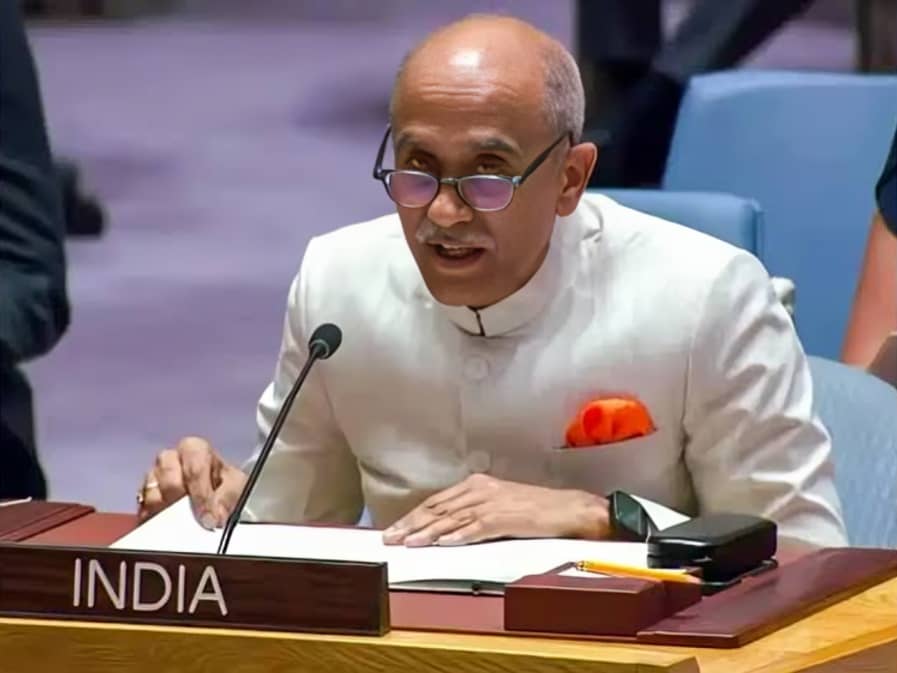
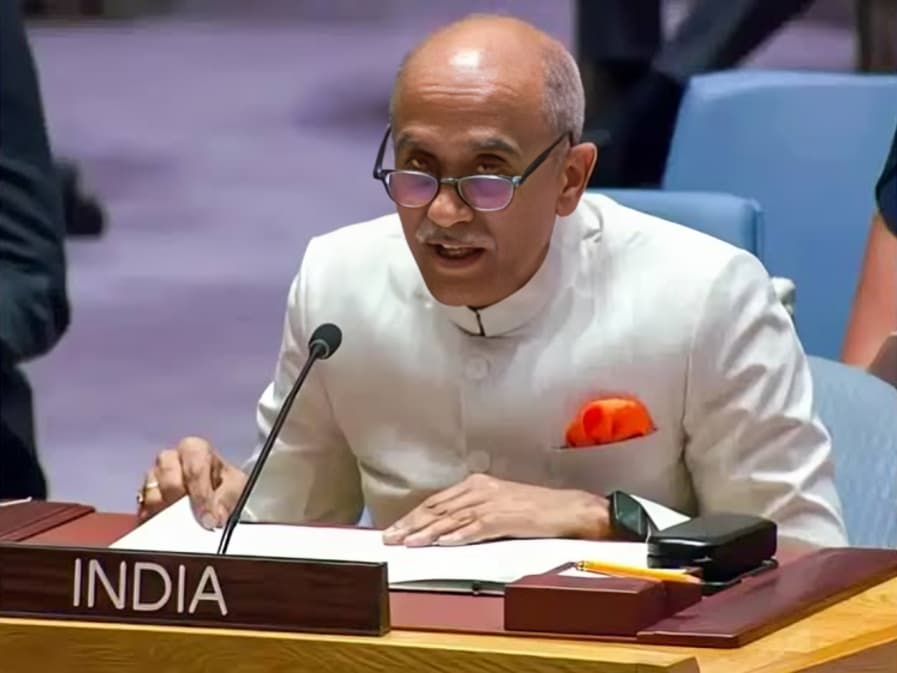
India's Permanent Representative to the United Nations, Ambassador Harish Parvathaneni, reiterated the country's position during discussions on Security Council reform at the United Nations. He argued that adding permanent members without veto powers would not correct the existing imbalance and could instead preserve inequalities within the institution.
India has also called for time bound negotiations, clear milestones and text based discussions to move the long standing reform process forward.
India Calls for Equal Rights Among Permanent Members
India's position centres on the principle that permanent membership should not be divided into different categories with unequal powers. The current Security Council has five permanent members, China, France, Russia, the United Kingdom and the United States, all of which possess veto powers.
India argues that if additional countries are admitted as permanent members without the same authority, the reform would create a new category of permanent membership with fewer privileges. According to New Delhi, such an arrangement would fail to address the fundamental imbalance in the Council's decision making system.
India has consistently maintained that the veto question must be addressed alongside the expansion of permanent membership. As long as existing permanent members retain veto powers, India believes new permanent members should also receive that authority.
The issue remains contentious among UN member states. While some countries support extending veto powers to new permanent members, others favour expanding the Council without extending the veto or seek restrictions on how it is used.
Why India Wants Security Council Reform
The United Nations was established in 1945 following the Second World War. The Security Council was created as the principal UN body responsible for maintaining international peace and security.
Its current structure reflects the international balance of power that emerged at the end of the war. India argues that the global political, economic and demographic landscape has changed significantly over the past eight decades and that the Council must evolve to reflect present day realities.
The 15 member Council consists of five permanent members and ten non permanent members elected for two year terms. The permanent members can use their veto to block substantive resolutions, even when a proposal receives broad support from other Council members.
India believes that the existing arrangement gives disproportionate influence to a small group of countries and does not adequately represent large parts of the international community. It has called for greater representation for regions such as Asia and the Pacific, Africa, and Latin America and the Caribbean.
New Delhi has also argued that reform would improve the Council's legitimacy, credibility and effectiveness in responding to international conflicts and security challenges.
India's Concerns About Unequal Decision Making
India has pointed to the earlier expansion of the Security Council's non permanent membership as an example of why reforms must address both membership and veto powers. In the 1960s, the Council expanded its non permanent category without changing the number of permanent members.
India argues that another expansion limited to non permanent seats would leave the central imbalance intact. Similarly, adding permanent seats without veto powers would increase the number of members holding permanent status without giving them equal decision making authority.
Ambassador Parvathaneni has stressed that the veto is a central issue in the reform debate. India has also highlighted the need to consider how veto powers are used and the difficulties involved in restricting them without amendments to the UN Charter.
The veto debate reflects wider disagreements over how the Council should balance representation, accountability and the ability to respond quickly to international crises. Any major change would require negotiations among member states and compliance with the UN Charter's amendment procedures.
India Calls for Time Bound Negotiations
India has urged UN member states to move beyond repeated discussions and begin substantive negotiations based on a formal text. It has argued that a reform process without clear timelines and milestones risks allowing the current structure to continue indefinitely.
Text based negotiations would give countries a concrete proposal to examine, amend and debate rather than relying only on general statements of support for reform. India believes this approach could make discussions more focused and help identify areas of agreement.
New Delhi has also cautioned against a piecemeal approach that addresses only selected aspects of reform. It maintains that membership, representation and veto powers are connected issues and should be considered as part of a comprehensive package.
India has been working with other countries that support reform, including members of the Group of Four, which comprises Brazil, Germany, India and Japan. The group has advocated expansion in both permanent and non permanent membership to improve regional representation and strengthen the Council's capacity to respond to global challenges.
A Wider Debate Over the Future of the United Nations
The disagreement over veto powers highlights the difficulty of reforming an institution whose existing permanent members hold significant influence over its future structure. Countries seeking permanent membership argue that the Council should reflect the world as it exists today rather than the geopolitical circumstances of 1945.
Other member states have raised concerns that extending veto powers could make the Council more difficult to operate or increase the risk of deadlock. Some have therefore supported alternative proposals involving additional permanent seats without veto authority or an expansion of elected membership.
India rejects the creation of a second class of permanent membership while the current veto arrangement remains in place. It argues that meaningful reform must establish greater equality among permanent members and provide fairer representation to the wider UN membership.
The reform debate is expected to continue through intergovernmental negotiations and discussions at the United Nations General Assembly. Progress will depend on whether member states can reconcile their different positions and agree on a workable proposal.
India has reiterated that it will continue to engage with other countries to achieve lasting changes. Its central demand remains clear: any meaningful expansion of permanent membership must address the question of veto powers, improve representation and move the Security Council towards a more balanced and credible international decision making system.