Rome’s Colosseum Breached as Protests and Clashes Spread Across Europe
Several European countries witnessed demonstrations and clashes over the weekend of October 24 and 25, 2026, as public frustration over rising living costs, housing affordability, government policies and international conflicts brought people onto the streets. In Rome, a group of demonstrators entered the historic Colosseum during protests against war and government policies, drawing attention to the growing unrest in Italy and other parts of Europe.
The demonstrations brought together students, young people, workers and political activists with different demands. While many gatherings remained peaceful, confrontations between protesters and security forces occurred in several cities, leading authorities to strengthen security arrangements and use crowd-control measures.
The protests reflect a range of economic and political concerns rather than a single coordinated movement across the continent. Issues included the rising cost of everyday necessities, housing shortages, education, pension rights, government accountability and opposition to military conflicts.
Protesters Enter Rome’s Historic Colosseum
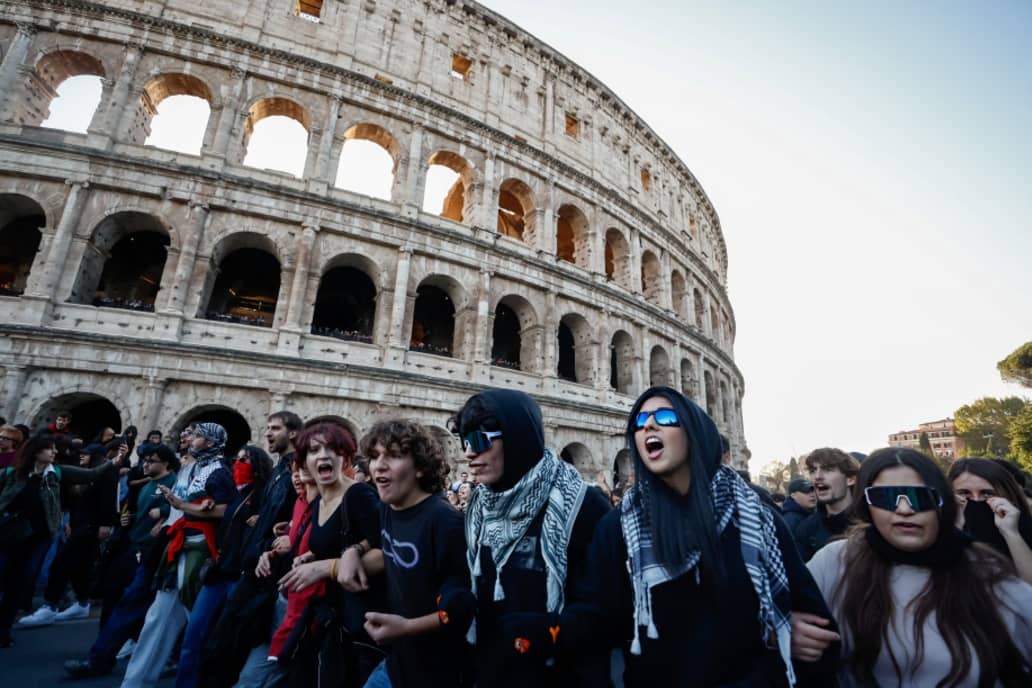
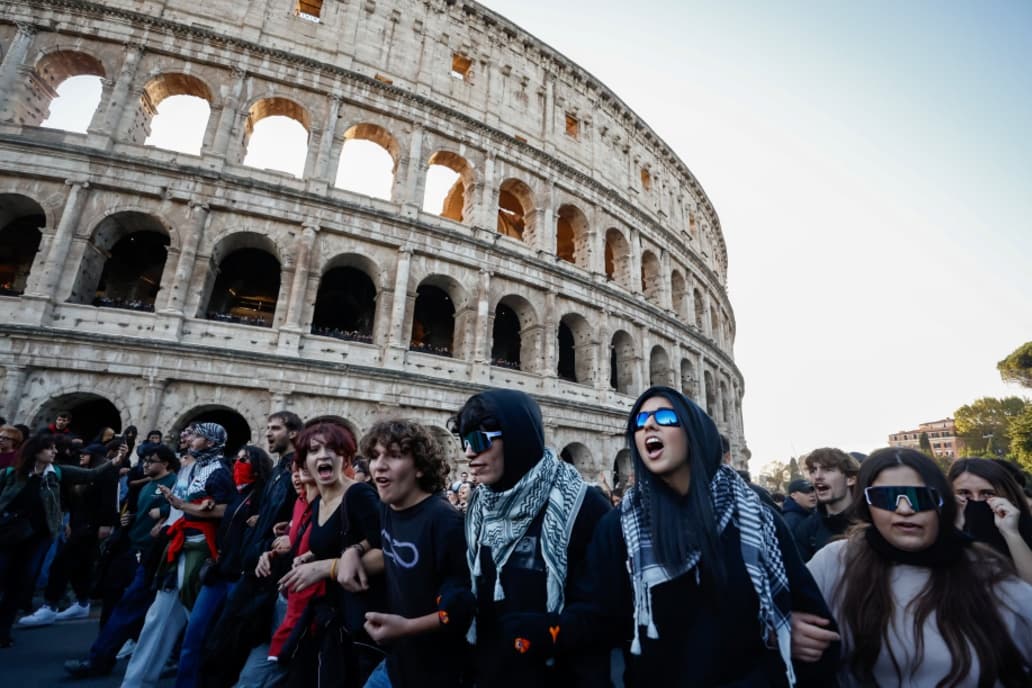
Rome became a major focus of attention after a group of demonstrators entered the Colosseum, one of Italy’s best-known historical landmarks. The incident occurred during a weekend of protests involving anti-war activists, students and other groups opposing government policies and rising living costs.
According to reports, the demonstrators moved away from a larger procession and entered the ancient amphitheatre while chanting slogans and displaying placards. Authorities subsequently escorted the group out of the site.
Italy’s Culture Ministry said no damage to the Colosseum or injuries connected to the entry had been reported. The incident nevertheless raised concerns about security at a major heritage site that attracts visitors from around the world.
Later, tensions increased in other parts of central Rome as demonstrators attempted to move towards the prime minister’s office. Police blocked their route, and clashes occurred when some protesters reportedly threw objects at security personnel. Officers used water cannons and other crowd-control measures to disperse groups in the area.
The events took place against a backdrop of heightened security following violent demonstrations in Italy the previous weekend.
Clashes and Security Measures Across Italy
Thousands of people took part in demonstrations across Italian cities, including Rome, Milan, Turin, Bologna, Florence and Naples. Protesters raised concerns about economic pressures, government decisions and international conflicts.
Authorities deployed additional police personnel and strengthened security measures in anticipation of further unrest. In Milan, approximately 500 soldiers were deployed in the city centre following violence during earlier demonstrations.
Police reported nine arrests nationwide during the October 24 demonstrations and said 371 people were briefly taken to police stations for checks, including 110 minors. The measures formed part of a wider effort to prevent a repeat of earlier disturbances.
Reports described clashes in Rome, Turin and Bologna, while demonstrations in Milan were largely peaceful. In Bologna, police used water cannons and tear gas after confrontations with demonstrators. In Florence, security personnel also intervened when protesters attempted to cross a police cordon.
Despite these incidents, reports did not indicate widespread looting or property damage during Saturday’s demonstrations comparable to the unrest of the previous weekend.
Italian Prime Minister Giorgia Meloni defended the government’s security response, stating that authorities needed to protect both the right to peaceful protest and the safety of residents. Her government had introduced tougher security measures ahead of the rallies.
France Sees Protests Over Economic and Political Concerns
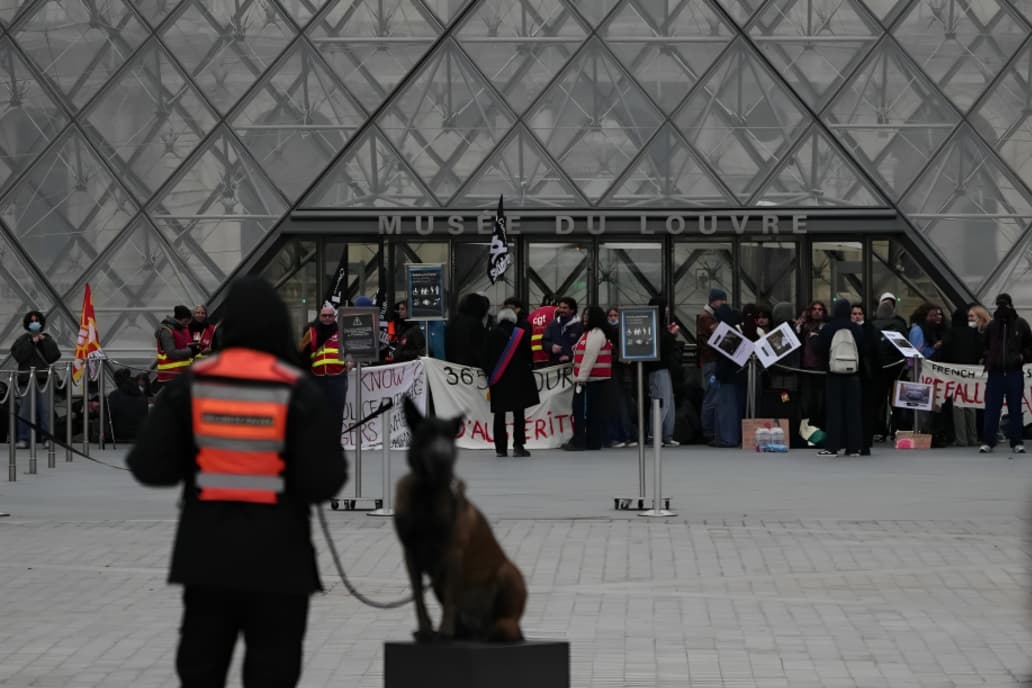
France also experienced significant demonstrations amid broader public dissatisfaction with living costs, economic conditions and government policies. Protesters gathered in several cities, including Paris, raising concerns about affordability and the direction of national policy.
The demonstrations came as households continued to face pressure from essential expenses and debates over public spending and social protection remained prominent.
Security forces were deployed in large numbers in areas where authorities expected confrontations. Reports indicated that some demonstrations escalated into clashes, while other gatherings proceeded without major incidents.
The French protests form part of a wider pattern of public mobilisation in Europe, where economic concerns increasingly overlap with disagreements over political leadership, public services and international affairs.
However, the demands vary between countries and groups. Some demonstrations focus on economic policy, while others concentrate on government accountability, opposition to war or broader political reforms. It would therefore be inaccurate to describe all the protests as a single movement with identical objectives.
Albania Faces Fresh Anti-Government Unrest
Albania experienced another round of anti-government demonstrations in its capital, Tirana. Students, political activists and other protesters raised concerns about governance, corruption and government accountability.
Some demonstrations escalated into confrontations with police, who used tear gas to disperse crowds. Authorities reported detentions and injuries during the unrest.
The protests reflect continuing political tensions in Albania, where demonstrations against the government have taken place over several weeks. The latest incidents added to concerns about public order and the relationship between political opposition groups and the authorities.
Although the Albanian unrest shares some similarities with demonstrations elsewhere in Europe, its domestic political context and specific grievances differ from those driving protests in Italy, France and the Iberian Peninsula
Housing, Pensions and Education Drive Protests Elsewhere
In Spain, demonstrations included calls to protect pension rights and maintain the public pension system. Protesters demanded measures to ensure that pension increases reflect inflation and that retirement benefits remain adequate as living costs rise.
In Portugal, housing affordability remained a major concern. High property prices and rents have placed pressure on young people and lower-income households, prompting demonstrations demanding more accessible housing.
Other protests across Europe have focused on education, employment opportunities, public services and the perceived inability of governments to respond effectively to economic difficulties.
For many young demonstrators, the cost of housing and the uncertainty surrounding future employment have become central issues. Workers and pensioners, meanwhile, have raised concerns about purchasing power and the sustainability of social protection systems.
These concerns highlight the different pressures facing European governments as they attempt to balance public spending, economic growth and demands for stronger social support.
Why Are Protests Increasing Across Europe?
The recent demonstrations have emerged from a combination of economic, social and political factors. Rising living costs can reduce household purchasing power, while high rents and limited affordable housing make it difficult for younger people and lower-income families to establish financial stability.
At the same time, dissatisfaction with government decisions and concerns about public services have contributed to public frustration. International conflicts have added another dimension, with anti-war activists questioning military policies and their wider consequences.
Social media has also helped groups publicise demonstrations and coordinate participation. However, online mobilisation does not mean that every protest shares the same organisers or political objectives.
The protests also present a challenge for governments seeking to maintain public order while protecting the right to peaceful assembly. Authorities must distinguish between lawful demonstrations and acts of violence, vandalism or attacks on security personnel.
What Happens Next?
European governments are likely to face continued pressure to address concerns about affordability, housing, employment, public services and political accountability. The scale and duration of future demonstrations will depend on government responses, economic developments and the ability of protest groups to maintain public support.
In Italy, the authorities have already increased security following earlier clashes, while political leaders have defended measures intended to prevent further violence. Elsewhere, governments face demands that differ according to national circumstances.
The events of October 24 and 25 demonstrate that public dissatisfaction remains a significant political issue across parts of Europe. The entry of protesters into Rome’s Colosseum provided a striking image from the weekend, but the wider story extends beyond a single landmark or country.
From economic concerns in Italy and France to housing protests in Portugal and political unrest in Albania, demonstrators have highlighted a diverse range of grievances. Whether these protests lead to changes in government policy will depend on how authorities respond to public demands while safeguarding peaceful protest and public safety.