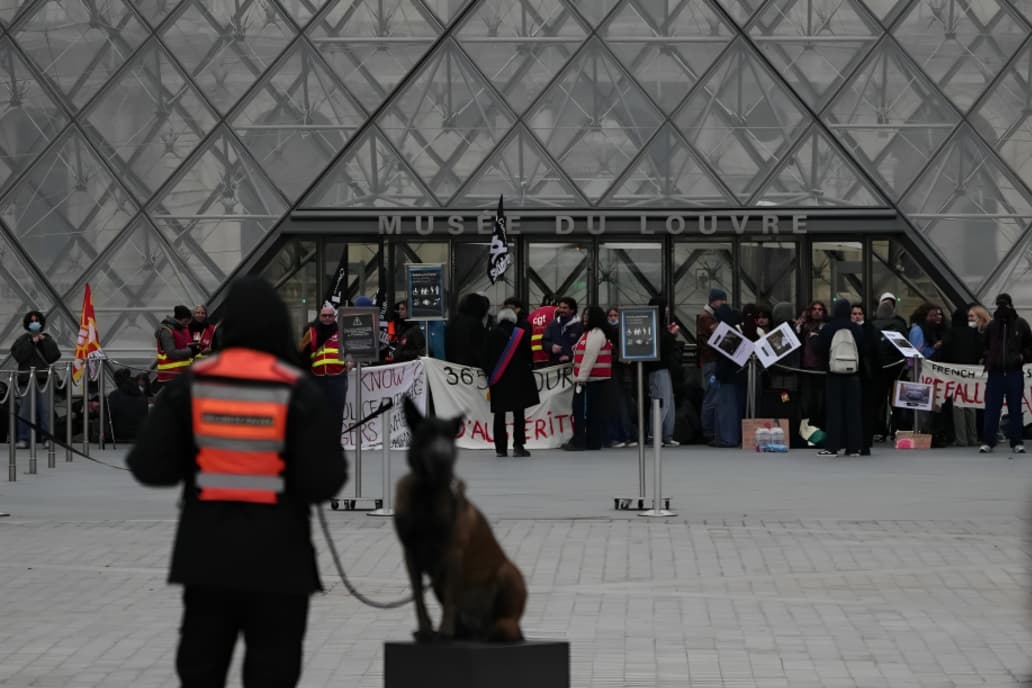
France Deploys 70,000 Security Personnel Ahead of Weekend Protests
France is preparing for another major round of demonstrations, with the government deploying approximately 70,000 police officers and security personnel across the country on Saturday, October 24, 2026. The extensive security operation comes after serious violence, looting and property damage accompanied protests last weekend. Authorities are taking additional precautions to protect public buildings, businesses, cultural institutions and residents.
French Interior Minister Laurent Nuñez announced the deployment on Friday and warned that the authorities would respond firmly to acts of violence and vandalism. He said security forces would be prepared to intervene if demonstrations turned violent. The operation includes specialised police units, helicopters, armoured vehicles, drones, mounted police and water cannons.
The government is seeking to prevent a repeat of last weekend's unrest while allowing peaceful demonstrations to take place where permitted. The situation has created concerns among business owners, tourists and residents, particularly in major cities where protests and temporary restrictions are expected.
Why Are Protests Taking Place in France?
The demonstrations have been driven by several grievances, including the rising cost of living, concerns about public services and dissatisfaction with conditions in schools. Student protests over education facilities and learning conditions have contributed to a wider movement that has spread across the country.
Trade union members, students and other groups are expected to participate in demonstrations. The cost of housing, pressure on household budgets and concerns about public spending have also contributed to public frustration.
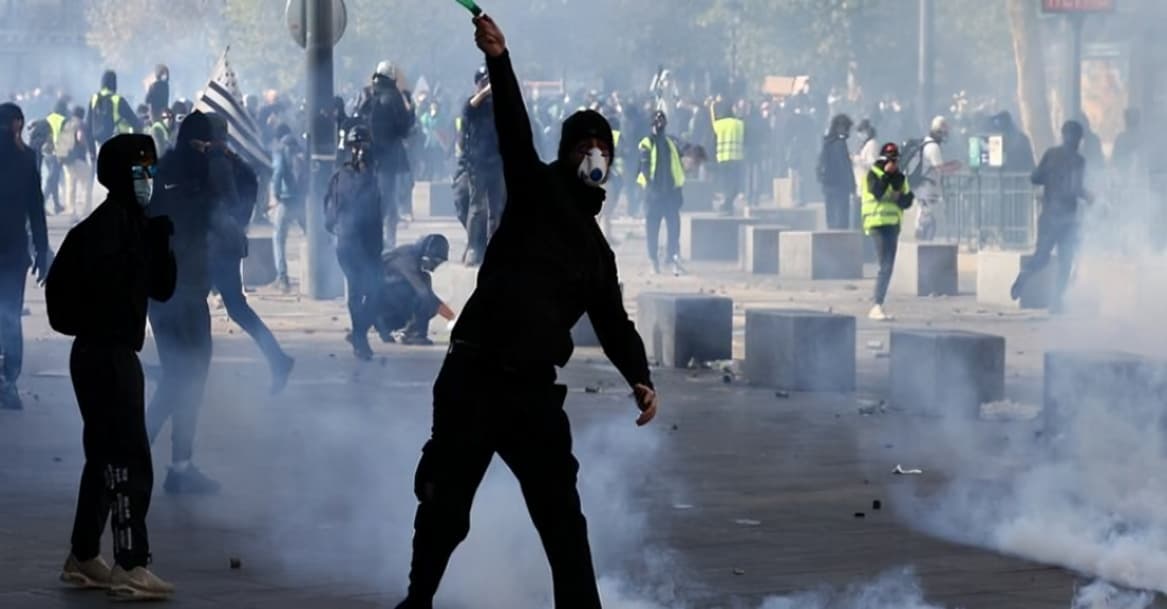
Although many demonstrations have been peaceful, violence by some individuals overshadowed protests last weekend. Reports described looting, smashed shop windows, damage to businesses and clashes with police in Paris, Marseille, Lyon and other locations. A public building in Limoges was also reportedly set on fire and partly destroyed.
The government has sought to distinguish between peaceful protesters expressing legitimate concerns and individuals involved in violence or criminal activity. Officials say the expanded security operation is intended to protect the public and prevent further damage.
Interior Minister Warns of Strict Action
Interior Minister Laurent Nuñez has warned that the government will not tolerate looting, vandalism or attacks on public buildings. According to reports, authorities have identified social media messages calling for violence and property damage. Officials have expressed concern that radical groups could attempt to exploit the demonstrations to cause disorder.
The planned deployment is around 10,000 personnel larger than the previous weekend's operation. Specialist units are expected to help secure town halls and other public buildings, while mobile teams will respond to incidents in different locations.
Authorities have also increased preparations around areas where large gatherings are anticipated. Police may intervene if violence breaks out, and those suspected of criminal offences could face arrest and legal proceedings.
However, the security measures have prompted criticism from some trade unions and political groups. They argue that broad restrictions on demonstrations risk limiting the public's right to protest peacefully. Human rights advocates have also raised concerns about the use of crowd-control weapons during earlier demonstrations.
Major Tourist Attractions and Cultural Venues Close
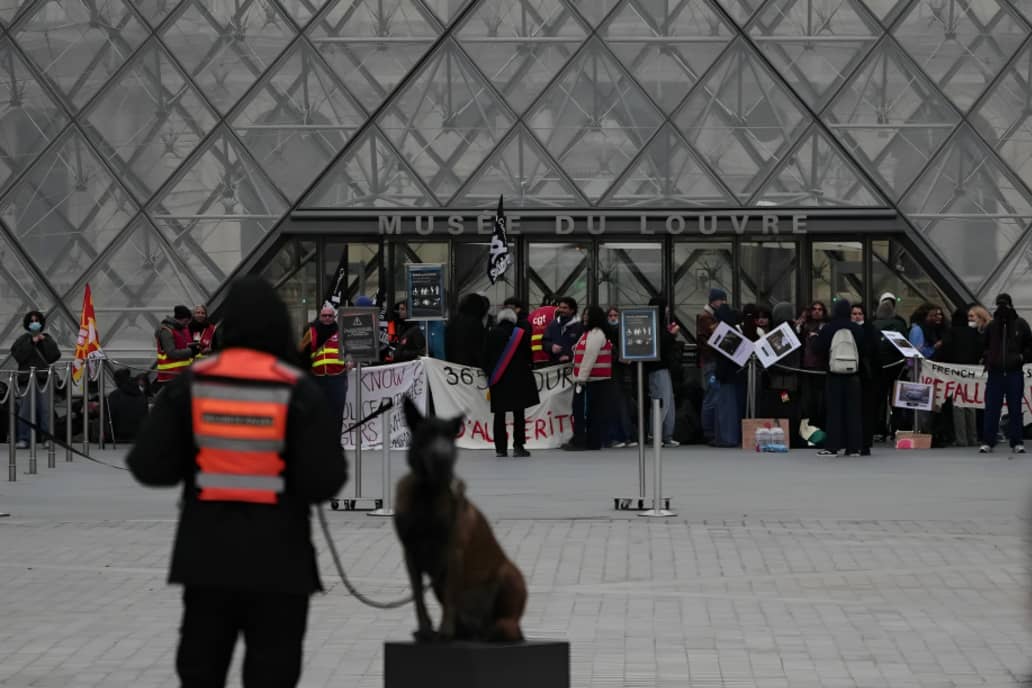
The security situation is affecting tourism and cultural activities, particularly in Paris. Several well-known attractions, including the Louvre Museum, the Musée d'Orsay, the Picasso Museum and the Grand Palais, announced closures for Saturday as a precaution.
The temporary closures are intended to protect visitors, staff and valuable collections amid concerns about possible unrest. Visitors planning to explore the French capital may therefore need to change their itineraries and check official announcements before travelling to museums or other public attractions.
The Art Basel art fair in Paris has also shortened its programme, with the event's public opening limited to Friday instead of continuing through the weekend as originally planned. Organisers cited safety concerns when announcing the change.
The closures do not mean that every tourist destination in France is shut. Restrictions vary by city and venue, and some attractions and businesses may continue operating under additional security arrangements. Travellers should confirm opening times directly with individual venues before visiting.
Demonstration Restrictions in Paris and Other Cities
Local authorities have introduced restrictions in several cities to reduce the risk of clashes and property damage. In Paris, police have limited an authorised union march to a designated route between Bastille and Nation squares, away from some central areas. Requests for certain other demonstrations have been rejected.
In Lyon, central areas have been placed off-limits to demonstrators, while restrictions have also been reported in other cities. Authorities in Marseille initially imposed broad restrictions but later permitted a union-organised demonstration under an exception.
The city of Orléans is also preparing for demonstrations linked to the National Rally party congress hosted by Marine Le Pen. Authorities expect large numbers of participants and counter-protesters, raising concerns about possible confrontations.
The restrictions have created a debate over how the government can balance public safety with the right to peaceful assembly. Trade union representatives and opposition groups have criticised some decisions, arguing that limiting protest routes could deepen public frustration rather than resolve it.
Impact on Businesses, Residents and Travellers
Businesses across France are preparing for possible disruption. Some shop owners have boarded up windows or taken other precautions after premises were damaged or looted during the previous weekend's unrest. Retailers, restaurants and cultural venues may experience reduced customer numbers or temporary closures.
Public transport, road access and local services may also be affected where demonstrations take place. Visitors should allow additional time for journeys, check local transport updates and avoid protest areas if they do not intend to participate.
People travelling to France should follow guidance issued by local authorities and their country's foreign ministry. The US government has also issued a security alert advising American visitors to remain cautious because demonstrations can move beyond planned routes or change at short notice.
What Happens Next?
The immediate priority for French authorities is to prevent a repeat of the violence seen during the previous weekend while maintaining public order. The scale of the security deployment demonstrates the seriousness with which the government is treating the threat of further unrest.
The protests also highlight broader political and economic pressures facing France. Rising living costs, concerns about public services and dissatisfaction over education conditions continue to draw people into demonstrations. How the government responds to these concerns could influence whether tensions ease or further protests develop.
For now, the public should distinguish between peaceful demonstrations and incidents involving criminal activity. The deployment of 70,000 security personnel and the temporary closure of major cultural attractions are precautionary measures; they do not establish that violence will occur at every protest location.
Residents and visitors should monitor reliable news reports, follow official safety instructions and verify venue information before travelling. Further updates from the French government and local authorities will clarify how the demonstrations unfold and whether restrictions remain in place.