India Calls for Urgent United Nations Security Council Reforms
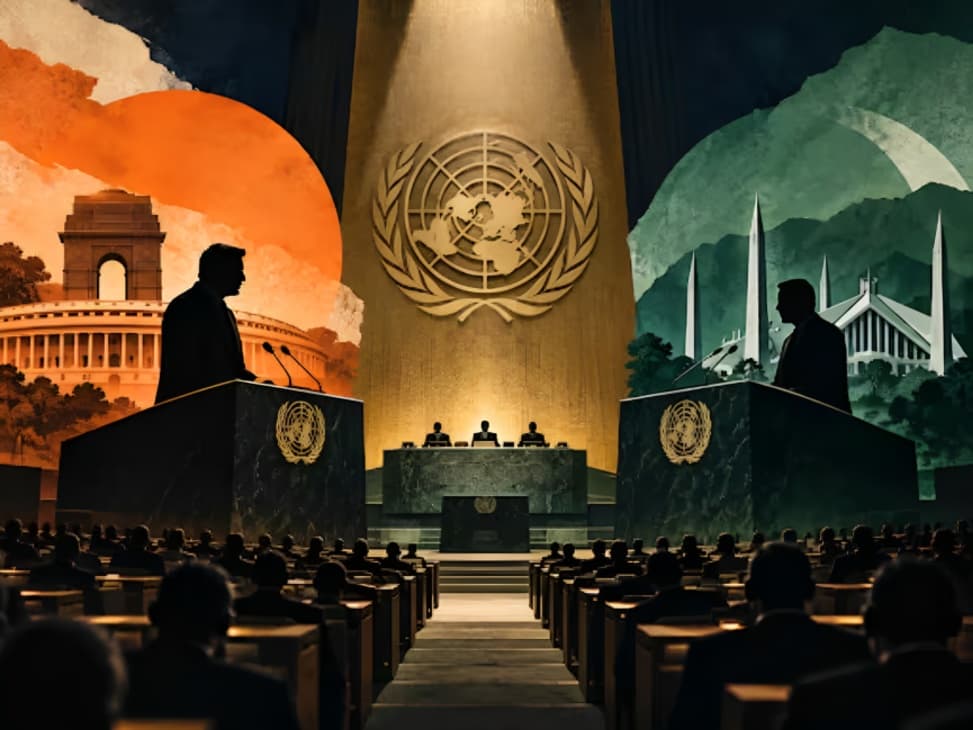
India has called for urgent reforms to the United Nations Security Council, arguing that the body's structure, established in the aftermath of the Second World War, does not adequately represent the international community of today. New Delhi has warned that the Council's existing composition is increasingly inadequate for addressing major global conflicts and maintaining international peace and security.
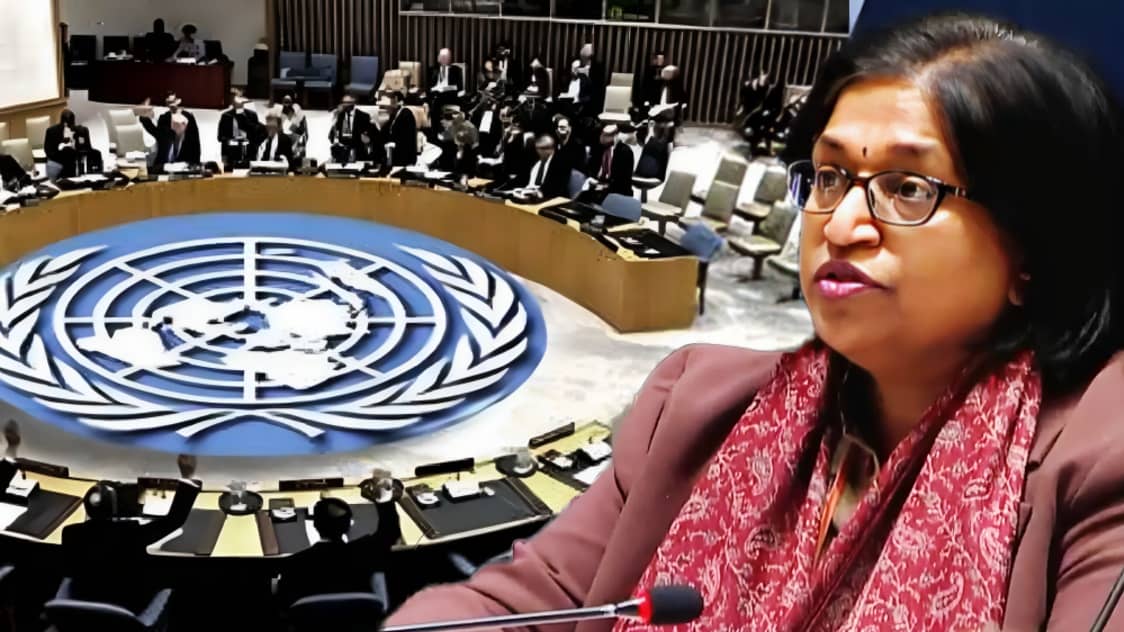
India's Permanent Representative to the United Nations, Ambassador Harish Parvathaneni, made the remarks while addressing the United Nations General Assembly during discussions on equitable representation and the expansion of the Security Council. He argued that the authority inherited from the post-war international order cannot compensate for the lack of representative membership in the Council.
Parvathaneni also highlighted the difficulties the United Nations has faced in delivering peace and reconciliation in some of the world's most serious conflicts. His comments renewed India's long-standing demand for a more representative and effective international institution.
India Questions the Council's Current Structure
The United Nations was established in 1945 following the Second World War, with the aim of preventing future conflicts and promoting international cooperation. The Security Council has primary responsibility under the UN Charter for maintaining international peace and security.
However, India argues that the Council's composition has not kept pace with major changes in global politics, population, economic influence and the emergence of independent countries across Asia and Africa.
The Security Council currently has 15 members. Five countries hold permanent seats: China, France, Russia, the United Kingdom and the United States. These five permanent members also possess veto power over substantive Council decisions. The remaining ten members are elected by the General Assembly for two-year terms and do not have veto rights.
India believes that a structure created in the political circumstances of 1945 cannot fully reflect the interests and aspirations of today's international community. It has therefore called for the Council to be expanded in both the permanent and non-permanent categories.
According to India's position, reform would help strengthen the institution's legitimacy, improve its representativeness and make its decisions more responsive to contemporary international challenges.
Why India Wants Security Council Expansion
India has consistently argued that the voices of developing countries, particularly those in Asia, Africa and Latin America, deserve greater representation in the Security Council.
Many countries that are now independent states were under colonial rule when the United Nations was founded. The international system has since changed substantially, with a much larger number of sovereign nations participating in global decision-making.
India maintains that this transformation should be reflected in the composition of the Council. It argues that decisions affecting international peace and security should involve a broader range of countries and regional perspectives.
India is also a member of the G4 grouping, alongside Brazil, Germany and Japan. The four countries support reforms that would expand the Security Council, including its permanent membership. They have worked together to build support for a more representative Council.
India has also engaged with the L.69 group, a coalition of developing countries from different regions that supports comprehensive Security Council reform.
New Delhi has repeatedly stated that expanding only the non-permanent category would not be sufficient to address the current representation gap. It supports an expansion of both categories as part of a wider reform process.
Challenges in Reforming the Security Council
Despite widespread discussion about reform, changing the composition of the Security Council remains difficult. Any amendment to the United Nations Charter requires approval by two-thirds of the members of the General Assembly and ratification by two-thirds of UN member states, including all five permanent members of the Security Council.
This requirement gives the existing permanent members a significant role in determining whether institutional reform can proceed.
Member states also differ on questions such as the number of additional seats, the distribution of seats among regions, the length of membership terms and whether any new permanent members should have veto powers.
These differences have contributed to prolonged negotiations. India has called for meaningful progress in the intergovernmental negotiations on equitable representation and increasing membership of the Council.
The reform debate therefore involves not only the principle of representation but also difficult questions about how the Council should function and how changes could be implemented without undermining its ability to make decisions.
The Importance of Reform for Global Peace
The Security Council plays a central role in responding to threats to international peace and security. Its responsibilities include considering conflicts, adopting resolutions, authorising certain international measures and establishing peacekeeping operations.
When major international crises occur, the Council's ability to reach decisions can have significant consequences for affected populations and regional stability.
India's argument is that a more representative Council could strengthen the legitimacy of international decisions and encourage broader participation in efforts to resolve conflicts. The country has also highlighted the importance of transparency, fairness and effective multilateral cooperation within the United Nations system.
However, expanding membership alone would not automatically resolve disagreements between member states or guarantee successful action in every conflict. The effectiveness of any reform would also depend on the Council's working methods, cooperation among its members and their willingness to act collectively.
India's position is that institutional reform is necessary to help the United Nations respond more effectively to the realities of the twenty-first century.
India's Continuing Push for Reform
India has made Security Council reform a long-standing priority in its foreign policy. It has repeatedly called for a stronger United Nations that reflects contemporary global realities and gives developing countries a greater role in international decision-making.
The latest remarks by Ambassador Harish Parvathaneni reinforce this position. By questioning whether the Council's historical authority can compensate for its current representation gap, India has renewed its call for concrete progress rather than continued reliance on the existing arrangement.
The broader reform process will depend on negotiations among UN member states, agreement on the proposed structure and the completion of the formal procedures required to amend the UN Charter.
For India, the central objective is to make the Security Council more representative, credible and effective in carrying out its responsibility to maintain international peace and security. The country has argued that the international system must evolve alongside the world it is intended to serve.