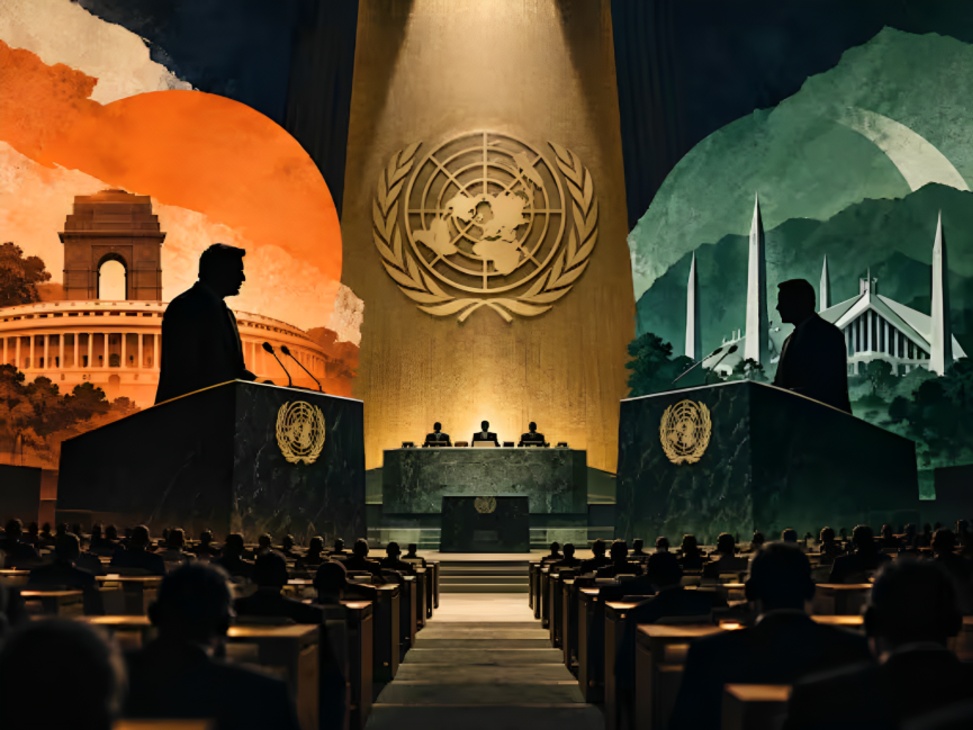
India Criticises Pakistan at the United Nations Over Minority Rights
India has strongly criticised Pakistan at the United Nations over its record on religious freedom and the protection of minority communities, arguing that Islamabad should address concerns within its own borders before questioning New Delhi's human rights record.
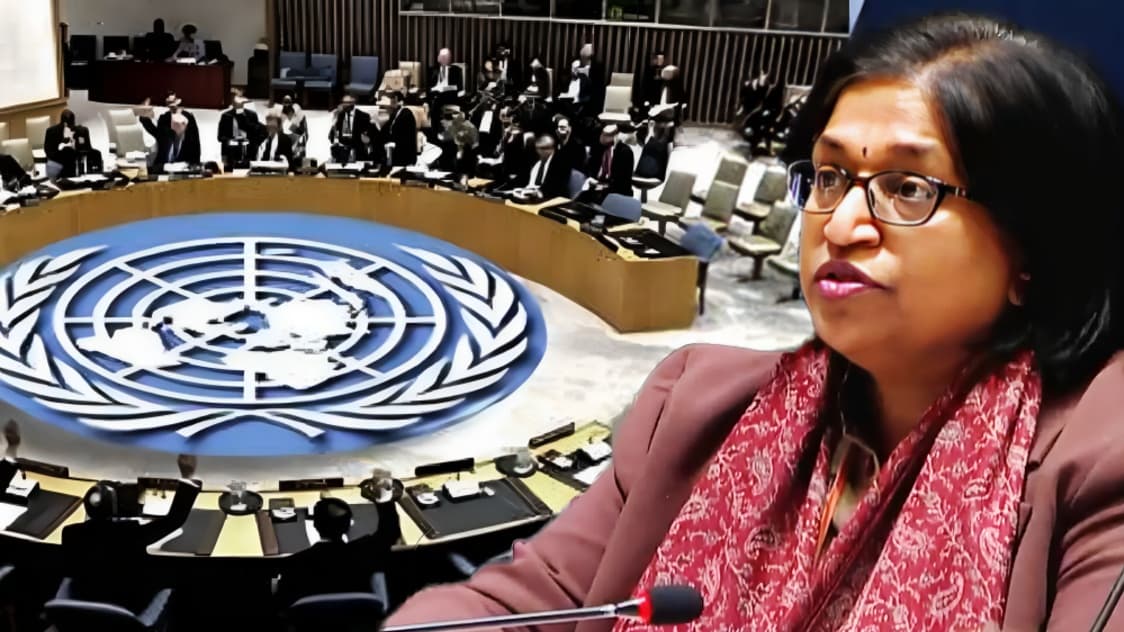
The remarks were delivered by Bhavika Mangalanandan, First Secretary at India's Permanent Mission to the United Nations, during an interactive dialogue with the UN Special Rapporteur on Freedom of Religion or Belief. The discussion focused on funeral rights in exceptional circumstances and broader questions concerning religious freedom and human rights.
Mangalanandan said that the protection of vulnerable communities should be treated as a serious responsibility rather than used as a subject for political confrontation. She also called for an impartial approach to reporting alleged violations of religious freedom.
Her remarks reflected India's objection to what it described as selective criticism of countries on human rights issues. The exchange added to the continuing diplomatic disagreements between India and Pakistan at international forums.
India Questions Pakistan's Record on Minority Protection
During her statement, Mangalanandan raised concerns about the treatment of religious minorities in Pakistan. She said the number of minority communities was shrinking and alleged that their rights were regularly violated.
She argued that a country facing concerns over the safety and rights of its own minorities should not lecture other countries on the subject without addressing those issues at home.
The comments were part of India's broader response to the discussion on religious freedom and funeral rights. India maintained that human rights concerns should be examined consistently and without political bias, regardless of the country involved.
Religious minorities in Pakistan include Hindu, Christian, Sikh and other communities. Concerns have been raised by activists and rights organisations over alleged forced conversions, abductions, discriminatory practices and inadequate protection for vulnerable individuals, particularly women and girls from minority communities.
These issues have been discussed in domestic and international forums. However, individual allegations and broader claims about the treatment of minority communities require careful examination of available evidence, official responses and independent documentation.
India's statement sought to draw attention to these concerns while challenging Pakistan's criticism of New Delhi.
Debate Over Religious Freedom and Funeral Rights
The diplomatic exchange took place during an interactive dialogue with the UN Special Rapporteur on Freedom of Religion or Belief. The discussion examined questions surrounding funeral rights in exceptional circumstances and the responsibilities of governments in protecting religious practices.
Funeral and burial practices can carry significant religious, cultural and personal importance. The treatment of deceased people and the ability of families to conduct religious rites are therefore important considerations in discussions about human rights.
At the same time, cases involving people accused or convicted of terrorism can raise complex questions about security, the rights of victims and the treatment of the deceased. Governments and international institutions must consider applicable legal obligations while taking account of the rights and dignity of affected families.
During the discussion, the Indian representative questioned whether the report adequately reflected the experiences of countries outside the regions it focused on. She argued that reports on religious discrimination should apply consistent standards and avoid presenting human rights concerns selectively.
India also maintained that the suffering of victims of terrorism and their families should not be overlooked when discussing the rights of perpetrators.
The exchange highlighted differences in how countries interpret the balance between religious freedom, public security, the rights of victims and the responsibilities of governments.
India Refers to the 1999 Kargil Conflict
India's remarks also referred to the 1999 Kargil conflict between India and Pakistan. Mangalanandan questioned Pakistan's position on funeral rights by recalling the Indian account of how the remains of Pakistani soldiers killed during the conflict were handled.
She said the Indian Army had buried several Pakistani soldiers with military honours and in accordance with Islamic rites after Pakistan did not accept their bodies.
The reference was intended to challenge Islamabad's position on religious freedom and the treatment of the deceased. It brought a historical episode into the current diplomatic discussion and reinforced India's argument that the issue should be assessed consistently.
The Kargil conflict remains a significant event in India-Pakistan relations. The fighting took place in the Kargil sector of Jammu and Kashmir in 1999 and resulted in casualties on both sides.
By referring to the conflict, India sought to underline what it viewed as a contradiction between Pakistan's statements on funeral rights and its past conduct. The remarks were part of India's diplomatic argument and should be understood as the position expressed by its representative.
India Calls for Impartial Human Rights Reporting
Mangalanandan also warned against using human suffering to advance political interests. She argued that reports on religious freedom should examine alleged violations fairly and consistently rather than focusing on selected countries or incidents.
Human rights reporting plays an important role in documenting discrimination, protecting vulnerable communities and encouraging governments to fulfil their international obligations. Its credibility depends on reliable evidence, transparent methods and the consistent application of standards.
India's position was that reports should take account of circumstances across different regions and avoid overlooking comparable experiences in developed and developing countries.
The discussion also raised questions about how international institutions address the funeral rights of people accused of serious crimes. India's representative argued that the rights and suffering of victims should receive due consideration alongside questions about the treatment of those accused of terrorism.
The debate demonstrates the challenges faced by international bodies when examining sensitive subjects involving religion, security and political disagreement. Countries may differ over the interpretation of particular reports, but the underlying issues require evidence-based consideration and careful attention to applicable international standards.
Wider Context of India-Pakistan Relations
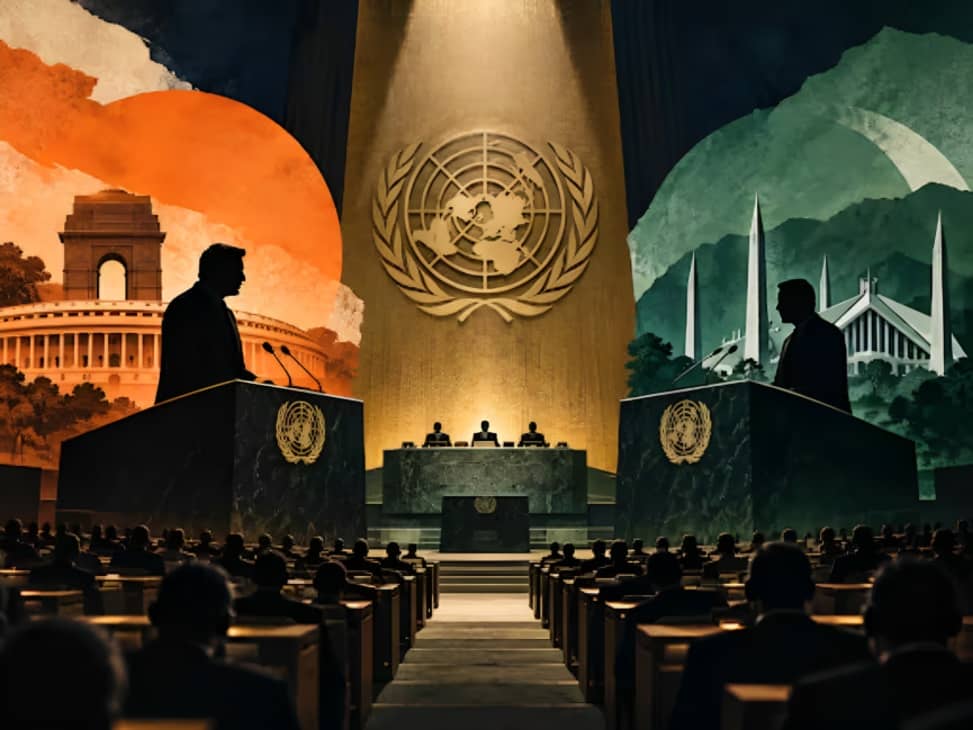
India and Pakistan have frequently exchanged criticism at the United Nations over issues including Jammu and Kashmir, terrorism, religious freedom and human rights. Both countries have used international forums to present their positions and challenge the claims made by the other.
Such exchanges reflect the longstanding tensions between the two neighbours. They also show how domestic political and human rights concerns can become part of wider diplomatic disputes.
India has repeatedly urged Pakistan to focus on developments in areas under its control, while Pakistan has raised allegations concerning India's policies and actions. Each side has disputed the other's claims on several issues.
The latest remarks by Mangalanandan continue this pattern of diplomatic confrontation. India's statement focused on the protection of minority communities in Pakistan, the treatment of the deceased and the need for impartial human rights reporting.
Although strong statements at the United Nations can draw international attention to these matters, lasting progress on human rights concerns depends on credible investigations, effective legal safeguards and implementation of protections for vulnerable communities.
What Happens Next
The exchange at the United Nations has once again placed religious freedom and minority protection at the centre of a diplomatic disagreement between India and Pakistan.
India's representative called for a consistent approach to human rights reporting and argued that countries should address concerns within their own borders before criticising others. Her comments also highlighted the importance India places on the rights of victims of terrorism and the treatment of deceased persons.
The remarks do not, by themselves, resolve the underlying allegations concerning minority rights or establish legal findings against either country. They represent India's stated position during the UN discussion.
Further developments will depend on subsequent statements from the countries involved, any response from relevant UN officials and the availability of independently verified information concerning the issues raised.
The episode underlines the importance of protecting religious freedom, ensuring the safety of minority communities and applying human rights standards consistently. It also demonstrates how these issues remain closely connected to the broader diplomatic relationship between India and Pakistan.