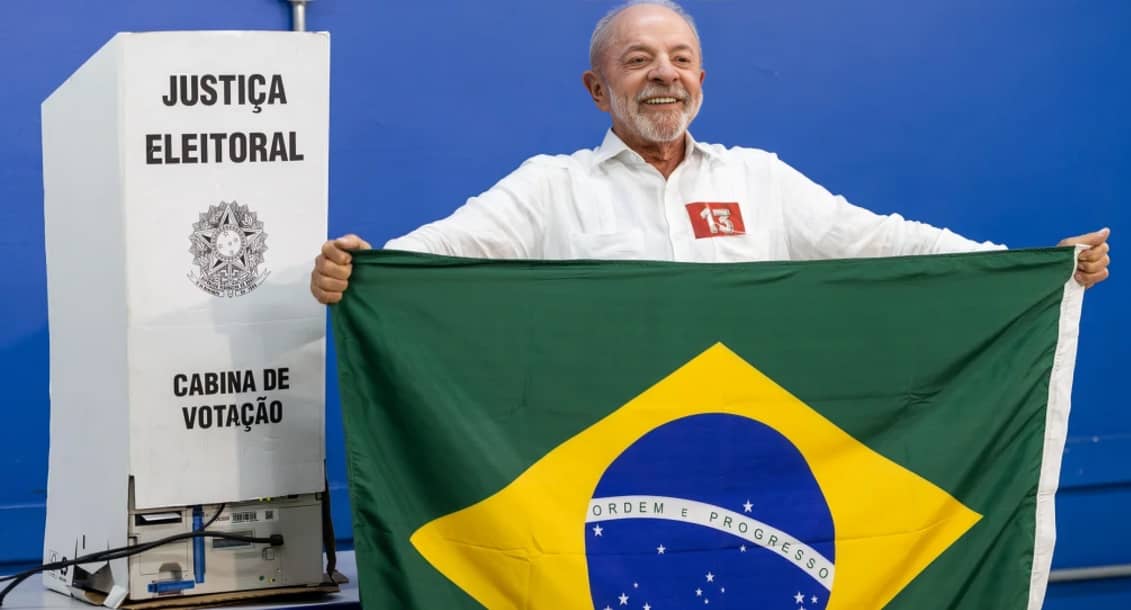
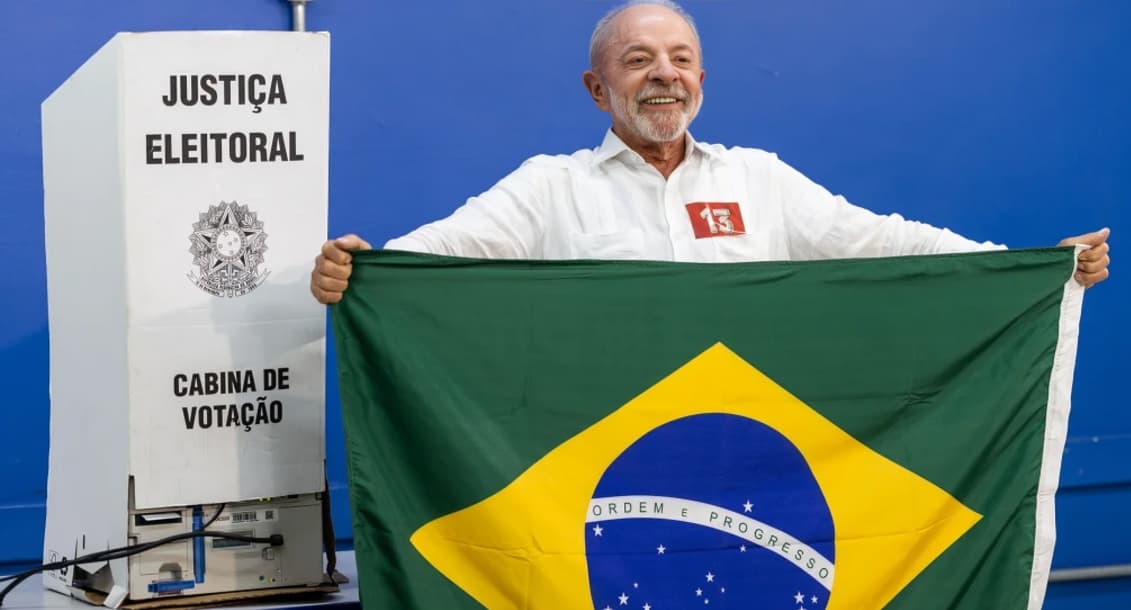
Brazilian President Luiz Inácio Lula da Silva has secured a fourth, non-consecutive presidential term after defeating conservative challenger Flávio Bolsonaro in a closely contested runoff election. Following his victory, Lula delivered a strong message about national sovereignty, declaring that Brazil was no one's backyard and promising to strengthen public participation in government decision-making.
The election outcome extends the leadership of Lula's left-of-centre Workers' Party in Latin America's largest economy. It also sets the stage for continued political debate over Brazil's relationship with the United States, the country's economic priorities and the influence of conservative political forces.
Lula Sends a Message on National Sovereignty
In his victory remarks, Lula highlighted the importance of voting in protecting democracy and said his campaign had countered foreign intervention through digital platforms. His declaration that Brazil was no one's backyard was widely interpreted as a response to concerns about outside influence over the country's political affairs.
Lula has repeatedly defended Brazil's right to pursue an independent foreign policy and criticised policies that he believes undermine the country's economic and political autonomy. His latest comments reinforce that position as Brazil prepares for another presidential term under his leadership.
The president also pledged to govern for the country's entire population rather than only for those who supported him in the election. He called for greater public participation in decision-making, presenting his victory as an opportunity to strengthen democratic engagement.
The remarks are significant because relations between Brasília and Washington have been affected by disagreements over trade, foreign policy and the role of the United States in Latin America. Lula's continued presidency is likely to keep these issues central to bilateral relations.
Flávio Bolsonaro Challenges the Election Result
Lula defeated Flávio Bolsonaro, a senator and the son of former Brazilian president Jair Bolsonaro, in the presidential runoff. The contest followed a closely fought first round in which Bolsonaro had held an advantage.
Following his defeat, Flávio Bolsonaro refused to accept the result and said he would seek its annulment through legal channels. He questioned a decision concerning the extension of voting hours on election day and argued that the circumstances warranted a challenge.
However, reports indicated that overturning the result would be difficult. Any legal challenge would need to be assessed by the competent Brazilian authorities, and allegations of irregularities should not be treated as established facts without supporting evidence.
The dispute has added to political tensions in Brazil, where supporters of Lula and the Bolsonaro political movement remain divided over the country's direction. The final legal outcome of any challenge will depend on the evidence presented and the decisions of the relevant electoral institutions.
Allegations of Foreign Influence
The election also took place amid debate over possible foreign influence in Brazilian politics. Lula and his political allies have raised concerns about alleged efforts to influence the electoral process through digital platforms and political messaging.
Reports about the election described the United States administration as supportive of efforts to bring the Bolsonaro family back to power. However, Flávio Bolsonaro denied receiving assistance from the US government. Claims about foreign involvement should therefore be attributed carefully and distinguished from independently verified findings.
Lula's statement about Brazil being no one's backyard reflects his broader argument that Brazilian voters should determine the country's political future without external pressure. His comments also underline the importance his administration places on national sovereignty and the regulation of digital platforms.
The issue may remain part of Brazil's political debate as authorities consider any formal complaints related to the election. Evidence, official findings and legal decisions will be necessary to establish whether any unlawful interference occurred.
Challenges Await Lula in His New Term
Despite his electoral victory, Lula faces significant domestic challenges. Brazil's Congress has a strong conservative presence, which could complicate efforts to pass legislation and implement the government's priorities.
Lula will need to work with lawmakers who do not necessarily share his political agenda. Negotiations over legislation, government spending and economic policy are likely to be important factors in determining how effectively his administration can pursue its plans.
Economic concerns will also remain a major issue for the government. Questions surrounding public debt, borrowing costs, household finances and economic growth could influence the administration's ability to maintain social programmes while managing public spending.
Lula has emphasised social welfare, poverty reduction and public participation during his political career. His next term will test his ability to maintain these priorities while responding to economic pressures and a politically divided legislature.
Implications for Brazil and the United States
Lula's re-election is expected to keep differences over trade, diplomatic priorities and US influence in Latin America at the centre of relations between Brazil and Washington. His administration has advocated a more independent international role for Brazil and has sought to strengthen cooperation with a range of countries.
The result also represents a setback for Flávio Bolsonaro and the wider political movement associated with his father, former president Jair Bolsonaro. Nevertheless, the conservative presence in Congress means that the opposition is likely to remain influential in national politics.
The coming months will be important in determining how Lula responds to domestic political divisions, whether the election result faces further legal challenges and how his government manages relations with the United States.
Conclusion
Lula's fourth, non-consecutive presidential term marks a major political development for Brazil. His declaration that the country is no one's backyard signals his intention to defend national sovereignty and resist what he describes as foreign interference.
At the same time, the rejection of the result by Flávio Bolsonaro and the possibility of legal challenges could prolong political tensions. Lula will also need to work with a conservative-leaning Congress and address economic pressures while advancing his domestic agenda.
The election has strengthened Lula's position, but the challenges ahead will test his administration's ability to maintain political stability, protect democratic institutions and establish Brazil's role in international affairs.