US President Donald Trump has sparked controversy by linking the ongoing student protests in France to what he described as uncontrolled mass migration and Islam. His comments came as large demonstrations continued across France, with students, teachers, parents and other groups protesting over problems affecting the country’s education system.
Trump made the remarks in a post on his Truth Social platform. He argued that the unrest in France was not primarily about schools and instead linked it to migration and Islam. Trump did not provide evidence to establish a connection between the student protests and either immigration or religious demands.
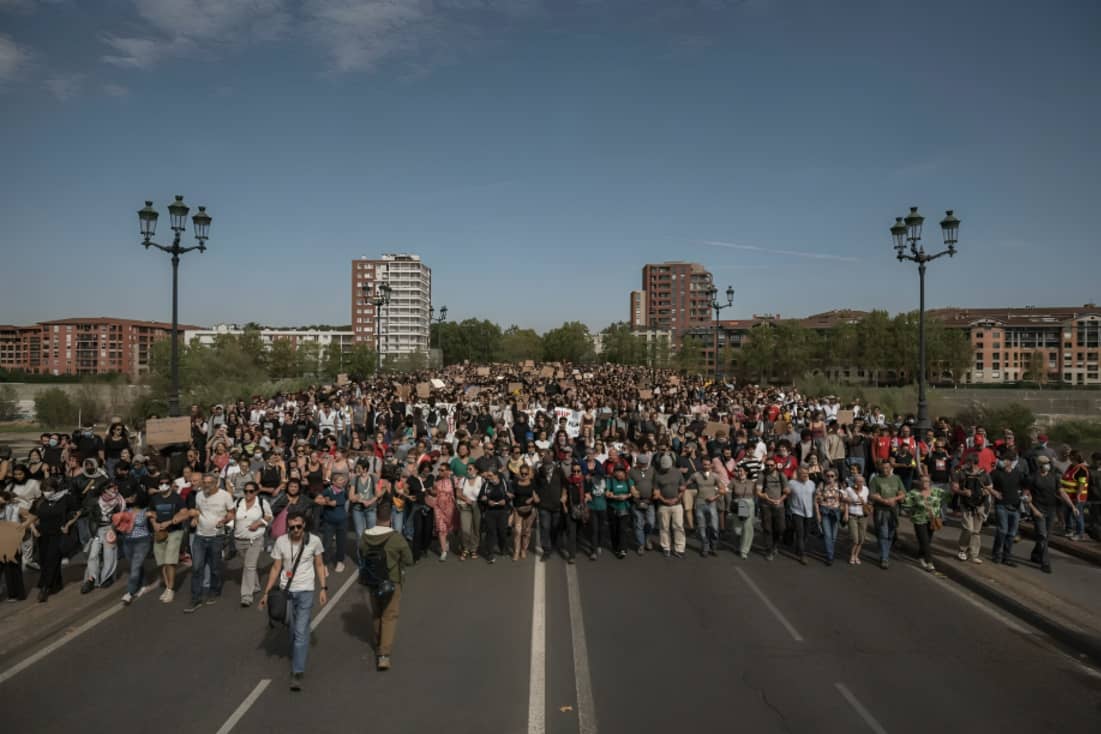
The comments came at a time when the student movement had grown into a nationwide protest. Hundreds of French high schools have experienced blockades or closures since the demonstrations began in late September. The protests have expanded beyond students, with teachers, parents and other sections of society joining demonstrations in several cities.
According to reports, the main concerns raised by the protesters have centred on conditions in schools. These include shortages of teachers, overcrowded classrooms, inadequate school facilities, long school hours and concerns about education funding. Students have also criticised wider problems affecting the French education system.
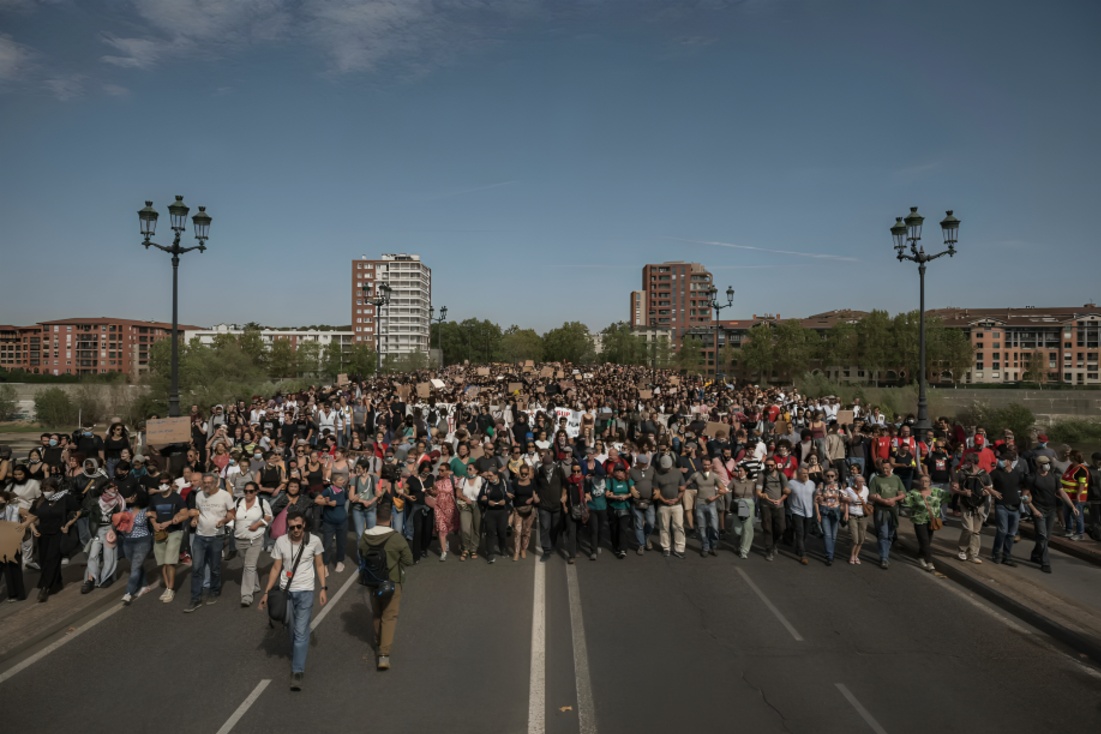
On October 6, more than 250,000 people took part in demonstrations across France, according to the French Interior Ministry. Organisers gave a higher estimate of around 450,000 participants. The demonstrations were largely connected to concerns over education and public services, although some protests were accompanied by clashes between demonstrators and security forces.
The protests have also resulted in arrests and injuries. Police used tear gas and water cannons in some locations as clashes developed. French authorities reported hundreds of arrests, while the government said students and school staff had been injured during the unrest. Security personnel were also injured.
The scale of the demonstrations has placed pressure on the French government. Prime Minister Sebastien Lecornu has held discussions with senior officials and promised action on some of the concerns raised by students. The government has said it will examine issues including teacher replacement, school infrastructure and the length of the school day.
Against this backdrop, Trump’s comments have introduced a wider international political dimension to the French protests. Trump has frequently criticised European immigration policies and has argued that uncontrolled migration poses a serious challenge to Western countries.
In his latest comments, Trump went further by connecting the French unrest with Islam. He said the protests represented an attempt by Islam to take over France. However, available reports on the demonstrations have not established such a connection.
The protesters’ stated demands have instead focused primarily on education. Reports from France indicate that students have complained about teacher vacancies, poor maintenance of school buildings, overcrowded classrooms and the pressures associated with the education system.
French Foreign Minister Jean Noel Barrot responded to the international attention surrounding the protests. He said France needed to present its own account of events rather than allowing other countries or political actors to define the situation.
Barrot said France was facing interpretations of the protests from rivals, adversaries and partners. His remarks came after Trump publicly characterised the unrest through the lens of migration and Islam.
The French government therefore faces two separate challenges. Domestically, it must respond to growing frustration over the education system and public services. Internationally, French officials are seeking to prevent the protests from being interpreted solely through debates over migration, religion or broader cultural conflicts.
The demonstrations began in late September after students raised concerns about conditions in schools. The movement quickly expanded from the Paris region to other parts of the country. Several hundred schools have been affected, with students blocking entrances or participating in walkouts.
The scale of the protests has attracted support from teachers, parents and other groups. The participation of different sections of society has transformed the movement from a student campaign into a wider debate over the state of public education in France.
The protests have also emerged during a period of political and economic uncertainty in France. The government is dealing with pressure over public finances, while political parties are preparing for the next presidential election. The unrest has consequently become part of a wider political debate about public spending, government priorities and social conditions.
Trump’s remarks have also been discussed in the context of US domestic politics. His administration and political allies have continued to focus heavily on immigration and concerns about European demographic and cultural changes. US conservative commentators have shared images and videos of the French protests while presenting them as a warning about immigration and political developments in Western countries.
However, the French protests cannot automatically be interpreted as a movement about migration or religion based solely on the comments of political figures outside France. The demands publicly reported from student groups have focused largely on education related problems.
This distinction is important when reporting on the protests because the movement includes a wide range of participants and concerns. While political groups may attempt to interpret the demonstrations through their own ideological perspectives, the immediate issues raised by students remain connected to schools, teachers, infrastructure and education policy.
The French government has indicated that it intends to address some of these concerns. Prime Minister Lecornu has asked ministers to develop proposals related to teacher shortages, school infrastructure and working conditions. Whether these measures will satisfy protesters remains uncertain.
The continuing protests could also create additional pressure on the government as France deals with financial constraints. Implementing improvements to schools will require additional resources at a time when the government is already attempting to control public spending and manage its debt position.
For now, Trump’s comments have added an international political controversy to France’s domestic education crisis. His assertion that the protests are connected to mass migration and an alleged attempt by Islam to take over France remains his stated view and has not been supported by evidence presented in the reports.
France’s response has emphasised the need for the country to explain its own situation. The government and protesters continue to focus on the education system, while international political figures have offered competing interpretations.
The developments underline how domestic protests can quickly become part of international political debates, particularly when issues such as migration, religion and national identity are involved. In the case of France, the immediate challenge remains finding solutions to the education problems that prompted the student movement while maintaining public order.
The coming days are likely to determine whether the French government can reduce tensions through concrete measures. At the same time, the international debate surrounding the protests is expected to continue, particularly after Trump’s comments and the response from French officials.