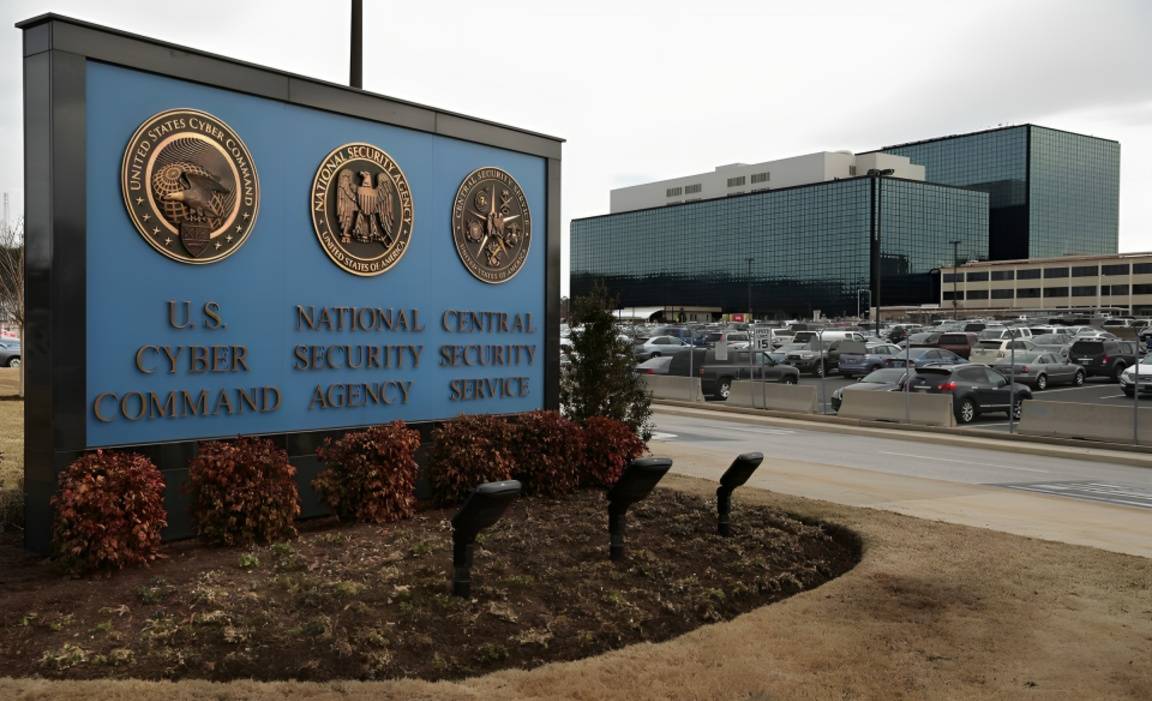
At least 11 people working for the United States National Security Agency (NSA) and US Cyber Command died by suicide during the 12 months ending in September 2026, according to US officials and public records. The reported deaths have raised serious concerns among lawmakers and senior officials about the mental health and working conditions of personnel serving in the country's intelligence and cyberwarfare organisations.
The issue has prompted congressional scrutiny, with lawmakers seeking information from agency leaders about the circumstances surrounding the deaths and the support available to employees. Military authorities have also taken steps to address demanding work schedules and improve access to mental health services.
11 deaths reported over 12 months
According to information reported by Bloomberg, 10 people associated with the NSA or US Cyber Command died by suicide around Fort Meade in Maryland, while another death occurred near an NSA facility in Georgia. The reported total includes military personnel, civilian employees and contractors.
Both the NSA and US Cyber Command are headquartered at Fort Meade. The two organisations carry out sensitive national security responsibilities, including electronic intelligence operations and cyber activities involving foreign adversaries.
An earlier series of five deaths between early June and early July had already raised concerns among military officials. The incidents during that period were examined as a possible suicide cluster. Further deaths were reported in September, bringing the total for the 12-month period to at least 11.
The Pentagon has not provided a comparable historical figure specifically for the NSA and Cyber Command. Its publicly released suicide statistics are generally organised by military service rather than individual agencies or commands.
Congress seeks explanations from agency leaders
The reported deaths have led congressional committees responsible for overseeing military and intelligence organisations to seek briefings from NSA and Cyber Command leadership.
Following the deaths reported during June and July, congressional committees received briefings on the incidents and the mental health challenges faced by personnel. The issue was also discussed with White House staff. NSA Deputy Director Tim Kosiba reportedly briefed White House officials in August.
Lawmakers have expressed concern about whether employees have sufficient access to professional support, particularly those working in highly restricted environments. Members of Congress have also sought further information about the agencies' efforts to prevent similar incidents.
Maryland Democratic Representative Sarah Elfreth has called for stronger action to support military and civilian personnel. She has also supported efforts to secure additional resources for mental health services within the cyber workforce.
Pressure associated with demanding work environments
The NSA and US Cyber Command perform specialised national security operations that can involve demanding schedules, sensitive assignments and strict workplace security requirements.
Some employees work extended shifts in secure facilities where access to outside communication and normal workplace environments is restricted. Officials and former personnel have raised concerns about the mental and emotional pressure associated with these responsibilities.
The workload of intelligence and cyber personnel has also reportedly increased amid international conflicts and growing demands for cyber operations. The rapid development of artificial intelligence tools capable of supporting sophisticated cyber activities has added another area of responsibility for specialists.
Former NSA and CIA senior executive Harry Coker Jr. said the operational pace at the two organisations can become overwhelming. He highlighted that cyber operations may not involve the same physical conditions as frontline military service, but can still create considerable intellectual and emotional pressure.
However, officials have cautioned that suicide can involve multiple personal and professional factors. The deaths should not automatically be attributed to workplace pressure without the findings of individual investigations.
Military introduces changes to working hours
Following the reported deaths during the summer, US military leadership introduced measures intended to reduce excessive working hours among cyber personnel.
According to officials cited in the reports, General Joshua Rudd, who leads both the NSA and US Cyber Command, directed that cyber personnel should receive eight consecutive hours of uninterrupted rest within every 24-hour period. The directive also restricts employees from working more than 12 consecutive hours without special approval.
The measures are intended to improve rest periods and reduce the risk of exhaustion among personnel handling demanding assignments.
The agencies have also expanded arrangements to improve access to healthcare services for both civilian and military employees. The aim is to make support available to a wider section of the workforce.
Challenges in providing mental health services
Providing mental health support inside highly secure workplaces presents additional challenges. Specialists who work with intelligence and cyber personnel may need security clearances before they can enter restricted facilities or interact with employees in sensitive roles.
The clearance process can involve detailed background checks and other security requirements, which may delay the recruitment and placement of qualified professionals.
Officials have said that Cyber Command is working with the Defence Health Agency to improve access to approved mental health professionals. Recent efforts have included bringing additional specialists into the support system.
The NSA and Cyber Command have also said they are working with other military organisations to strengthen preventive support, improve awareness and make professional assistance more accessible within secure workplaces.
Lawmakers seek additional funding and oversight
The issue has also raised questions about whether the agencies have enough resources to support their workforce. General Rudd had requested 11 million dollars to address mental health concerns and support the cyber workforce. Lawmakers subsequently urged the approval of the requested funding.
Representative Sarah Elfreth and other lawmakers have argued that employee well-being should be treated as an important part of national security readiness. They have also highlighted the need for better monitoring of mental health concerns among both military personnel and civilian employees.
A separate legislative discussion concerns the collection of suicide-related data across the civilian workforce. The Pentagon's existing reporting systems primarily focus on uniformed military personnel, leaving gaps in the systematic tracking of civilian employee cases. Lawmakers are considering ways to improve reporting and oversight.
The Walter Reed Army Institute of Research is also examining working conditions at Cyber Command, including the number of mental health professionals required to support its workforce.
Focus on employee welfare and prevention
The reported deaths have renewed discussions about the pressures faced by people working in intelligence and cyber operations. While the exact circumstances and contributing factors differ from case to case, the incidents have highlighted the importance of accessible mental health services, reasonable working hours and effective employee support systems.
The NSA and US Cyber Command have stated that they remain committed to the health, safety and well-being of their personnel. Investigations into some of the deaths are continuing, while military and congressional officials are examining ways to strengthen prevention and support measures.
The developments have placed employee welfare firmly on the agenda of US defence and intelligence authorities. Lawmakers are seeking clearer information, better access to professional care and stronger oversight to ensure that personnel working in demanding national security roles receive appropriate support.