
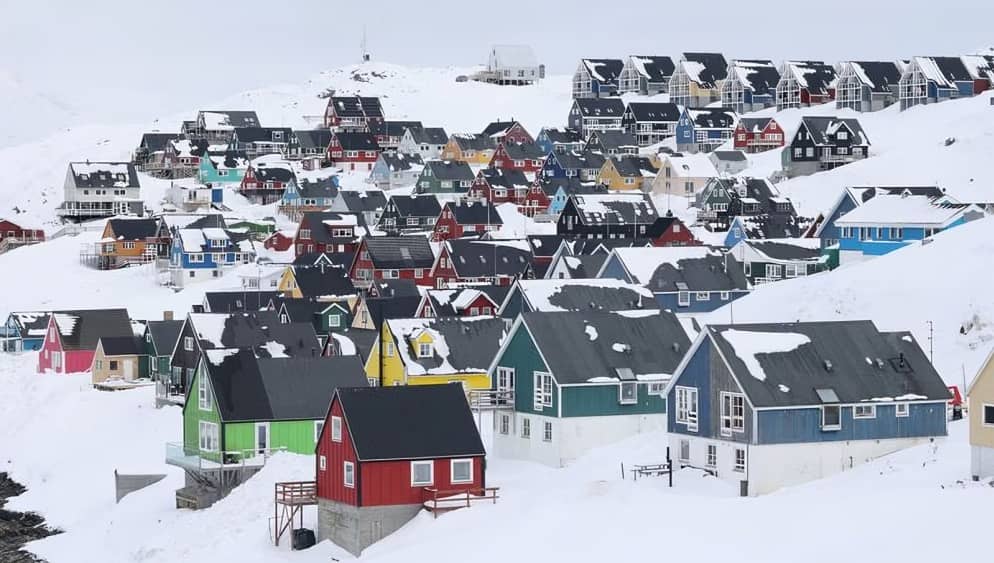
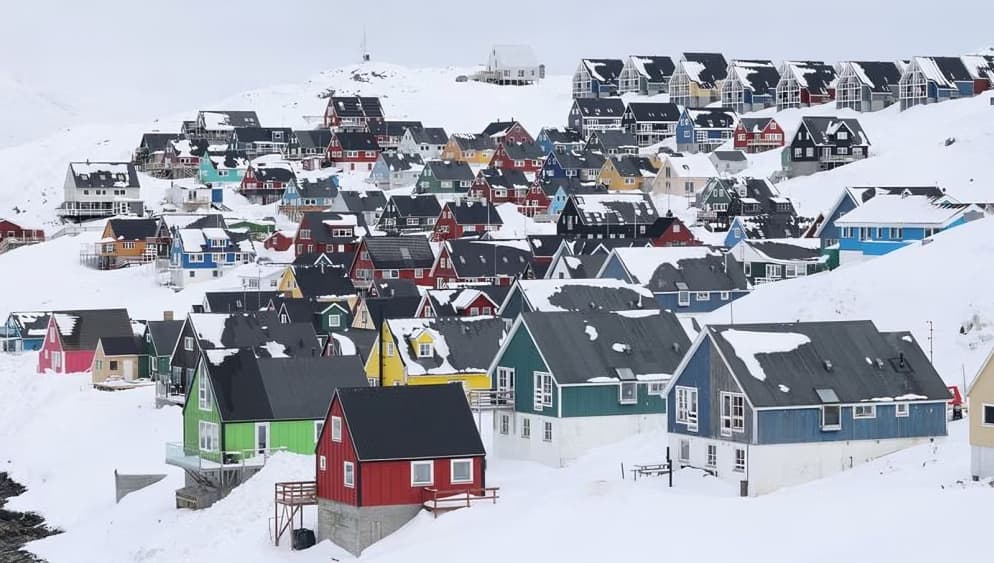
Canada is preparing to expand its diplomatic footprint in the Arctic by opening a consulate in Nuuk, Greenland, as part of a calculated response to growing international attention surrounding the strategically important island. The Canadian government formally confirmed the plan through Foreign Affairs Minister Anita Anand, who stated that she would travel to Greenland to inaugurate the mission.
Greenland, an autonomous territory within the Kingdom of Denmark, has gained increasing significance in recent years due to its location, natural resources and role in Arctic security. The region is rich in minerals, rare earth elements and fisheries, and it occupies a crucial position along major northern shipping routes. These factors have drawn interest from several global powers seeking greater influence in the Arctic Circle.
The immediate backdrop to Canada’s decision is the renewed debate over Greenland’s political future sparked by remarks from US President Trump. He publicly suggested that the United States should consider taking control of Greenland, describing it as vital for American national security interests. The statements were widely interpreted as annexation threats and were rejected by Denmark and Greenlandic leaders. However, they created diplomatic ripples across the international community.
In this context, Canada’s move to open a consulate is seen as a proactive effort to reinforce its long-standing commitment to Arctic sovereignty and regional partnerships. Ottawa has consistently maintained that the Arctic should remain a zone of peaceful cooperation governed by international law. By establishing a permanent mission in Nuuk, Canada aims to deepen engagement with Greenlandic authorities and demonstrate tangible support for the territory.
Minister Anand explained that the consulate will serve multiple purposes. It will facilitate closer collaboration on economic development, environmental protection, scientific research and cultural exchange. Canada also hopes the mission will improve coordination on search and rescue operations and maritime safety in northern waters.
Canada already operates several Arctic-focused programs and maintains a strong relationship with Denmark. The opening of the consulate signals that Canada intends to play a more visible role as geopolitical competition intensifies in the north. The government described the initiative as part of its updated Arctic foreign policy, which seeks to promote sustainable growth while safeguarding the interests of indigenous populations.
Anand emphasized that the visit to Greenland would include discussions with local leaders, business representatives and community organizations. She reiterated that Canada respects Greenland’s autonomy and supports its right to determine its own political destiny without external pressure.
Experts believe the diplomatic mission will help Canada monitor developments in the region more effectively. While Canada is not directly responding to US policies, the timing indicates concern about any attempt by another nation to unilaterally alter Greenland’s status. Greenland lies close to Canada’s northern territories, making stability there essential for Canadian security planning.
The Arctic has become one of the most sensitive regions on the global map. Melting ice has opened new possibilities for resource extraction and transportation, increasing the need for robust diplomatic networks. Canada’s consulate in Nuuk is expected to function as a bridge between North American and European Arctic policies.
As the formal opening approaches, Canada hopes the gesture will calm tensions and encourage dialogue rather than confrontation. The establishment of the consulate represents Canada’s belief that diplomacy and cooperation remain the best tools to address emerging Arctic challenges.


