India Challenges UN Rapporteur's Description of Dawood Ibrahim's D-Company as India-Based
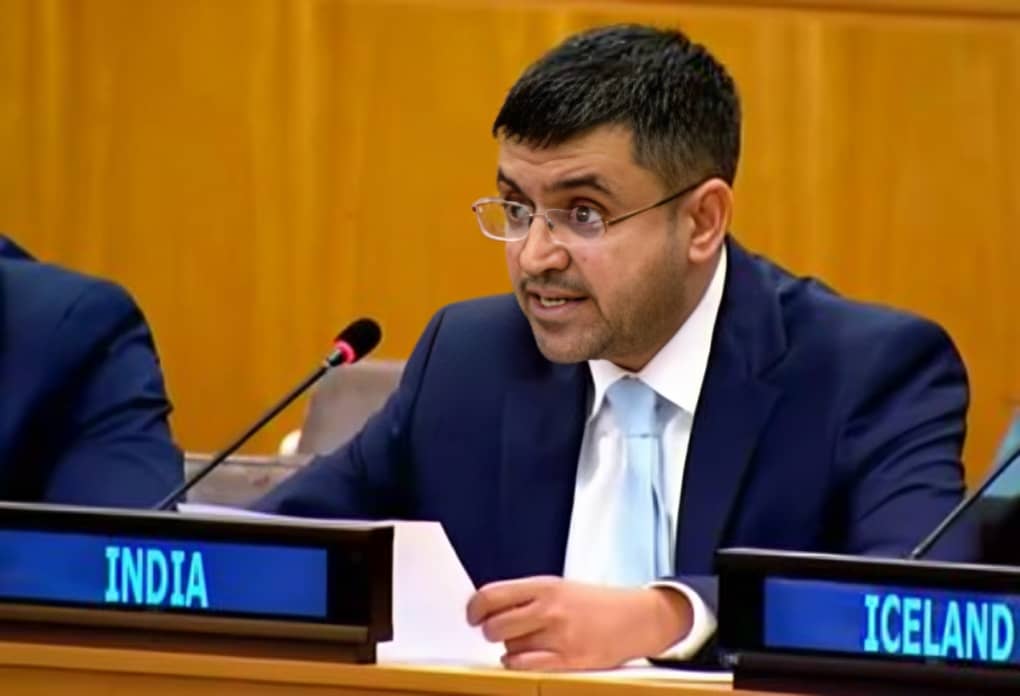
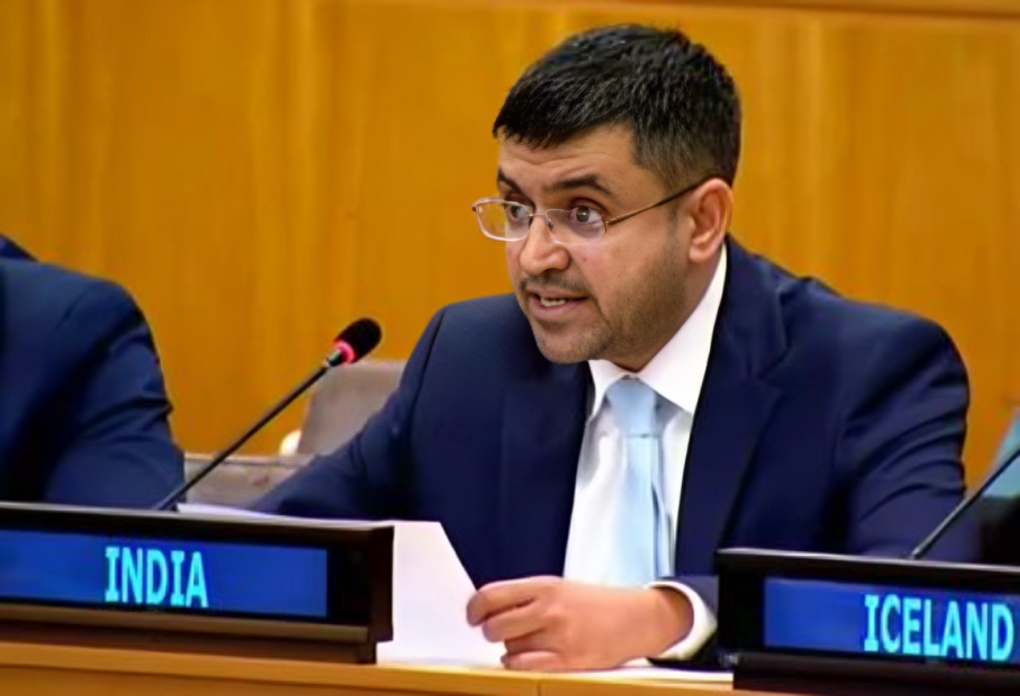
NEW YORK: India has strongly objected to a United Nations report describing Dawood Ibrahim's criminal network, known as D-Company, as an India-based organisation. At a meeting of the United Nations General Assembly's Third Committee on Wednesday, October 21, Indian diplomat Raghoo Puri raised concerns about what he described as serious factual inaccuracies in the report and warned that such errors could undermine the credibility of the international organisation.
Puri, First Secretary at India's Permanent Mission to the United Nations, was responding to a report by Ben Saul, the UN Special Rapporteur on the promotion and protection of human rights and fundamental freedoms while countering terrorism. India questioned the report's description of D-Company and argued that important details about Dawood Ibrahim's history and alleged links to terrorism had not been adequately presented.
The dispute has brought renewed attention to India's longstanding position that Dawood Ibrahim is a wanted fugitive who is believed to be residing in Pakistan. The issue also highlights wider diplomatic disagreements over terrorism, accountability and the accuracy of international reporting.
India Raises Concerns About Factual Accuracy
During his intervention, Puri criticised the publication of reports containing what India considers factual errors without sufficient accountability for the experts responsible for preparing them.
India argued that describing D-Company as India-based without adequately explaining the background of its leader could create a misleading impression. According to the Indian representative, Dawood Ibrahim had left India before the United Nations Security Council's 2003 listing associated him with Al-Qaeda.
Puri referred to the history of the international sanctions listing and said the report should have included more information about Ibrahim's status as a wanted individual in India in connection with the 1993 Mumbai bombings.
India maintained that omitting relevant context weakened the report's accuracy. Puri also argued that such shortcomings could damage confidence in the work of UN experts and the credibility of the wider organisation.
These remarks reflect the Indian government's position. A complete assessment of the dispute requires consideration of the report's exact wording, the relevant United Nations sanctions records and any response from the special rapporteur.
India's Position on Dawood Ibrahim
Dawood Ibrahim is an Indian fugitive who has been associated with organised crime and is wanted by Indian authorities in connection with serious criminal and terrorism-related cases, including the 1993 Mumbai bombings.
India has long maintained that Ibrahim resides in Pakistan. During the UN meeting, Puri referred to Osama bin Laden's presence in Pakistan before he was killed in a US operation in 2011. The comparison was intended to underline India's contention that Ibrahim was based outside India.
The question of Ibrahim's whereabouts has been a longstanding issue in India-Pakistan relations. Pakistan has previously disputed Indian allegations concerning the presence of wanted individuals on its territory. Claims about an individual's current location should therefore be attributed to the relevant authorities unless independently verified.
D-Company is widely described as a criminal network associated with Ibrahim. Its activities and alleged links to terrorism have featured in international security discussions and sanctions-related records.
Reference to the UN Security Council Listing
Puri specifically referred to the United Nations Security Council's 2003 listing related to D-Company and its alleged association with Al-Qaeda. India argued that the report's description did not adequately explain the chronology of Ibrahim's departure from India and his subsequent appearance in international sanctions records.
The Security Council maintains sanctions listings intended to restrict the activities and resources of individuals and entities associated with terrorism. Such listings contain identifying information and summaries of the reasons for designation.
India's objection was that the report's wording could be read without sufficient historical context. The government said that details concerning Ibrahim's wanted status and alleged connections to terrorist activity were essential to a balanced account.
The disagreement illustrates the importance of precise language in international reports, particularly when they discuss criminal networks, terrorism and the geographical location of organisations.
Wider Disagreement Over Human Rights and Counterterrorism
India also raised broader concerns about the use of human rights frameworks in discussions concerning terrorism. Its representative argued that human rights mechanisms should not be used to excuse or justify terrorism, radicalisation or violent extremism.
The UN's counterterrorism framework addresses the relationship between security measures and the protection of fundamental rights. International experts are expected to examine counterterrorism policies while considering the obligations of states under international human rights law.
The Indian intervention reflected the government's view that reporting on terrorism should be accurate, impartial and attentive to the experiences of countries affected by cross-border violence. It also called for greater accountability when reports contain factual errors.
What Happens Next?
The exchange at the General Assembly's Third Committee forms part of an ongoing international discussion about terrorism, human rights and the responsibilities of UN experts. India's objection places the wording of the report and the accuracy of its description of D-Company at the centre of the dispute.
Further clarification may depend on the full text of the report, the relevant Security Council records and any response from the special rapporteur or the United Nations. Until additional information is available, India's criticism should be presented as the government's stated position rather than as an independent finding that the report is inaccurate.
The episode underlines the diplomatic sensitivity surrounding Dawood Ibrahim, D-Company and allegations of cross-border terrorism. It also highlights the importance of transparent sourcing and careful factual verification in reports addressing international security issues.