Canada and the United States are facing a fresh escalation in their trade dispute after the latest round of negotiations failed to produce an agreement. The confrontation has prompted Ottawa to prepare retaliatory measures aimed at protecting Canadian industries and putting economic pressure on the United States.
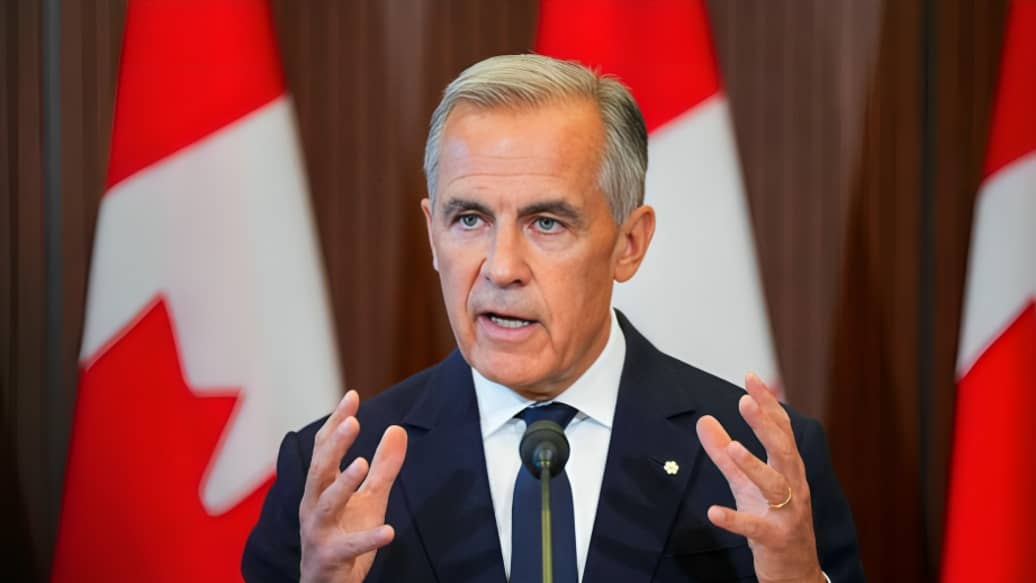
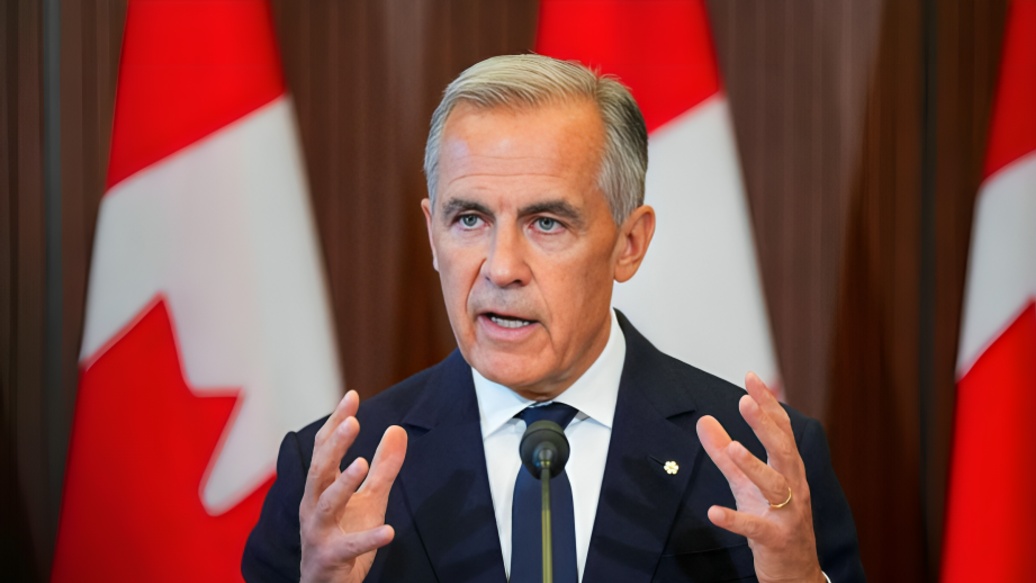
The latest escalation followed Washington's decision to impose 50 percent tariffs on approximately 20 billion dollars worth of Canadian goods. The measures took effect after trade negotiations between the two countries broke down. Canadian Prime Minister Mark Carney responded by announcing dollar for dollar retaliatory tariffs on selected American products, with the measures scheduled to begin on September 8.
The dispute is particularly significant because Canada and the United States have highly integrated economies. Companies on both sides of the border rely heavily on cross-border supply chains, particularly in sectors such as automobiles, energy, steel, agriculture and manufacturing.
Canada has several potential economic pressure points that could affect American companies and consumers. However, Ottawa would have to balance any retaliatory action against the possibility of creating additional costs for Canadian businesses and households.
One possible area is electricity exports.
Canadian provinces, particularly Ontario and Quebec, supply electricity to parts of the United States. Ontario Premier Doug Ford has indicated that energy exports could become part of Canada's response if the trade conflict continues to worsen. Ontario's electricity exports to the United States generated billions of dollars in revenue and supply several American states.
Any significant disruption to electricity supplies could create political pressure in states that depend on Canadian power. However, using energy exports as a trade weapon could also have consequences for Canadian producers and consumers, making it a measure Ottawa would likely consider carefully.
A second potential pressure point is critical minerals.
Canada is an important supplier of several minerals and raw materials used by American industries. These resources are important for manufacturing, energy technologies and other strategic sectors. Canadian officials could consider restrictions or export measures if the trade confrontation becomes more severe.
Such a move could increase costs for American manufacturers that depend on Canadian supplies. At the same time, Canada would need to consider alternative markets and the long-term effect on its own mining industry.
A third possible measure is the expansion of tariffs on American consumer and industrial products.
Canada has already announced retaliatory tariffs covering a range of US products. Steel, dairy products, electronics and clothing are among the sectors that could face additional costs under Canada's countermeasures.
Targeting specific products allows Ottawa to apply pressure while attempting to minimise the broader impact on the Canadian economy. Governments frequently use targeted tariffs to encourage political pressure from affected businesses and consumers.
A fourth pressure point could involve government procurement.
Canada could favour domestic suppliers or reduce purchases from American companies in selected areas. Such measures could affect US businesses that depend on Canadian government contracts.
Government procurement decisions can be politically sensitive because they influence company revenues and employment. Ottawa could potentially use purchasing policies to encourage Canadian companies while signalling to Washington that prolonged trade restrictions will have consequences.
A fifth area is consumer demand.
Canadian consumers have already shown increased interest in reducing purchases of American products and services during periods of heightened trade tensions. A sustained consumer boycott could affect American brands operating in Canada.
Although consumer boycotts are difficult for governments to control, public sentiment can influence sales, tourism and cross-border spending. A prolonged decline in Canadian demand for American products could put pressure on US businesses that rely heavily on the Canadian market.
The importance of the Canadian market should not be underestimated. The two countries have maintained one of the world's most extensive bilateral trading relationships for decades. Thousands of businesses operate across the border, while millions of workers depend directly or indirectly on cross-border economic activity.
The automotive sector is particularly exposed. Vehicle manufacturing in North America depends on components moving repeatedly between Canada, the United States and Mexico. New tariffs can therefore increase production costs and disrupt established supply chains. Washington has also threatened additional 50 percent tariffs on Canadian automobiles, trucks, auto parts and steel from January 2027.
Canada's retaliation could therefore create consequences beyond individual products. Companies may have to reconsider sourcing strategies, production locations and investment decisions.
American consumers could also face higher prices if Canadian goods become more expensive or if retaliatory measures disrupt supplies. Economists have warned that prolonged tariffs can contribute to inflation, particularly when affected products are difficult to replace quickly.
Canadian consumers and businesses would face similar risks. Retaliatory tariffs can protect domestic industries in some circumstances, but they can also increase the cost of imported goods and materials.
For this reason, Ottawa is likely to focus on measures that maximise political and economic pressure while limiting damage to Canada's own economy.
The dispute has already affected the broader relationship between the two countries. Prime Minister Carney has described the latest US tariffs as an economic attack and said Canada would respond. Canadian political leaders have increasingly called for greater economic diversification and reduced dependence on the United States.
Canada has also been seeking stronger commercial relationships with other countries. Diversifying export markets could reduce Canada's vulnerability to future US trade restrictions, although developing alternative markets cannot happen immediately.
The ongoing dispute could also put pressure on the future of the United States Mexico Canada Agreement. The agreement has provided the framework for North American trade for years, but the latest confrontation has raised concerns about the stability of the regional trading system.
For the United States, the economic impact of Canadian retaliation may be concentrated in particular industries and states rather than being equally distributed across the country.
States with strong manufacturing links to Canada, especially those close to the northern border, could face greater exposure. Michigan and other industrial states are particularly connected to Canadian automotive and manufacturing supply chains.
This regional impact could create political pressure on American policymakers and businesses to seek a negotiated solution.
The Canadian government also faces a difficult calculation. Canada has a much smaller economy than the United States, meaning a prolonged trade war could impose significant costs on Canadian exporters. At the same time, Ottawa wants to demonstrate that it will not accept unilateral economic pressure without a response.
The current strategy therefore combines retaliatory tariffs with broader efforts to diversify Canada's economy.
The immediate focus remains on the counter tariffs scheduled for September 8. Canada has said the measures will be designed to match the value of the US tariffs, while providing support to affected Canadian industries and workers.
The longer the dispute continues, the greater the possibility that businesses will begin restructuring supply chains permanently. That could have consequences well beyond the current tariff battle.
For decades, Canadian and American companies have built their operations around relatively open cross-border trade. A prolonged breakdown in that relationship could encourage companies to establish alternative suppliers and markets.
Such changes would be costly and difficult to reverse.
The latest confrontation therefore represents more than a disagreement over individual tariffs. It is increasingly becoming a broader test of the economic relationship between two closely connected countries.
Canada has several potential ways to pressure the US economy, including tariffs, energy exports, critical minerals, government procurement and consumer demand. However, each option also carries risks for Canada itself.
The effectiveness of Ottawa's strategy will ultimately depend on how precisely it targets US economic interests while protecting Canadian consumers and businesses.
For now, both countries remain locked in a tense trade confrontation, with negotiations stalled and retaliatory measures moving forward. The next stage of the dispute will determine whether the two sides return to the negotiating table or allow the trade conflict to deepen further.