
Confusion briefly spread across global energy markets after a claim that the United States Navy had escorted an oil tanker through the Strait of Hormuz was later withdrawn by officials in the United States government.
The situation began when Chris Wright, the United States Energy Secretary, posted a message on social media platform X stating that the US Navy had successfully escorted an oil tanker through the strategic waterway. The message suggested that the operation had been conducted to ensure uninterrupted global oil supplies during the ongoing tensions in the Middle East.
However the statement was deleted only minutes after it was published which quickly raised questions among analysts journalists and market observers. The sudden removal of the post created uncertainty about whether such an escort mission had actually taken place.
Shortly after the deletion the White House clarified the situation. Press Secretary Karoline Leavitt informed reporters that the US Navy had not escorted any tanker or vessel through the Strait of Hormuz. She explained that although the option of naval escorts remained under consideration no such operation had been carried out so far.
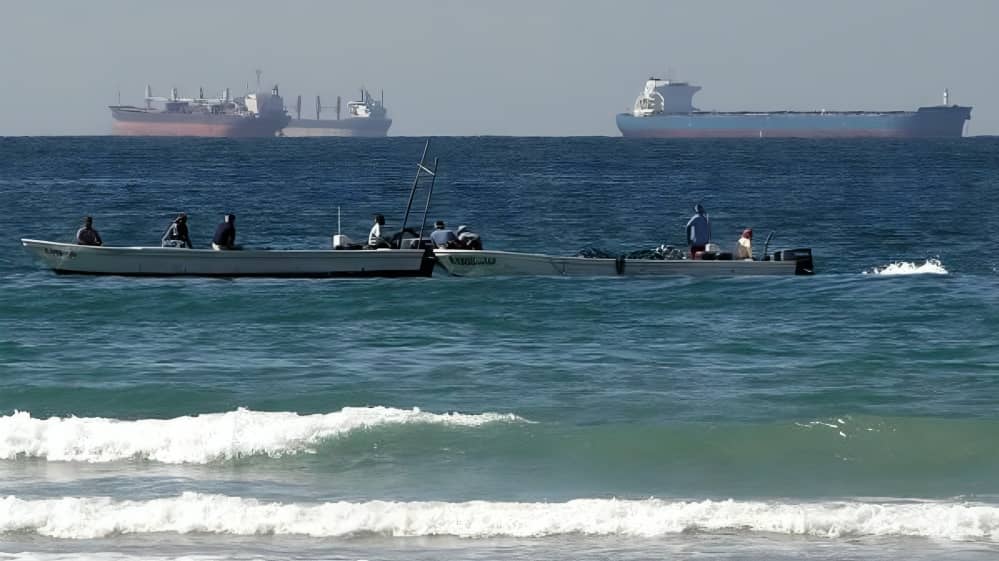
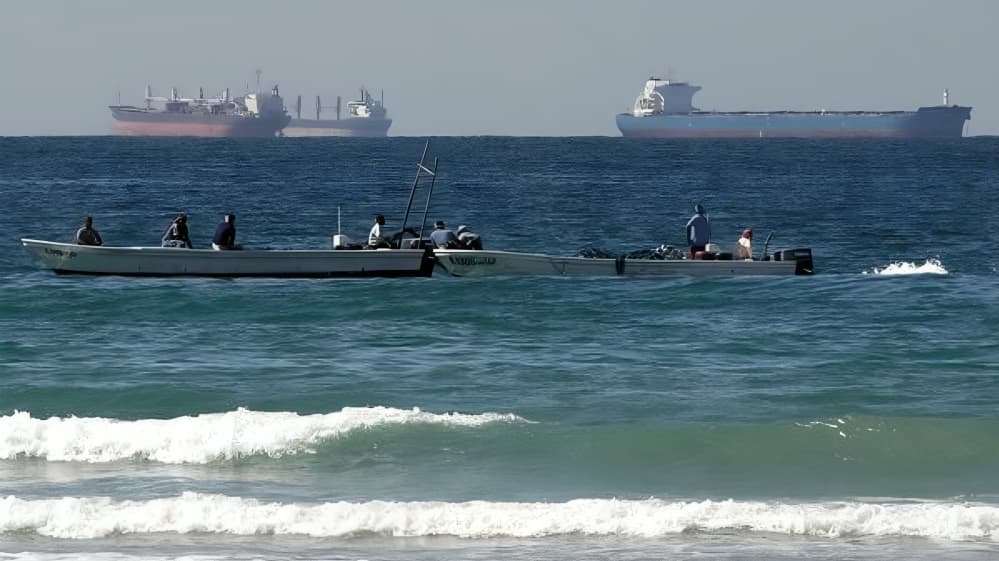
The Strait of Hormuz is one of the most critical maritime routes for global energy transportation. A large share of the world oil supply passes through this narrow channel connecting the Persian Gulf with international shipping lanes. Because of its strategic importance any news related to military activity in the area often influences global energy markets.
The confusion occurred during a period of heightened geopolitical tension in the Middle East following military developments involving Donald Trump and allied nations in the region. Concerns about possible disruptions to shipping routes have already created volatility in global oil prices.
Energy analysts say that even brief uncertainty surrounding the security of the Strait of Hormuz can have immediate effects on energy markets. Traders and investors closely monitor developments in the region because disruptions to tanker traffic could affect global supply chains.
The initial claim about a naval escort led some market participants to believe that security threats in the region had intensified. When the statement was withdrawn it added to the confusion regarding the actual situation in the strategic waterway.
Military escorts for commercial vessels are sometimes used during periods of conflict or security threats to ensure the safe passage of ships carrying essential goods such as oil and natural gas. However such operations usually involve formal announcements and coordinated planning with allied countries and shipping companies.
Experts note that accurate communication from government officials is particularly important during sensitive geopolitical situations because markets often react quickly to any information related to energy supply routes.
Following the clarification from the White House officials emphasised that the United States continues to monitor developments in the region and evaluate possible measures to protect maritime trade if required.
The incident highlights how rapidly information related to geopolitical tensions can influence global financial and energy markets especially when it concerns vital international shipping corridors such as the Strait of Hormuz.


