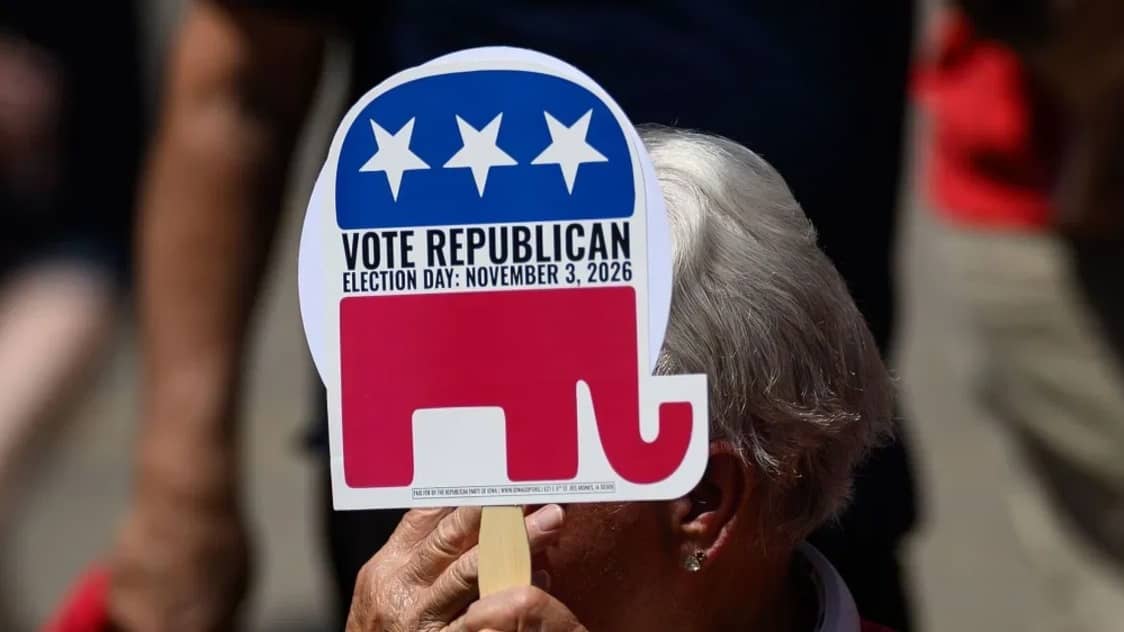
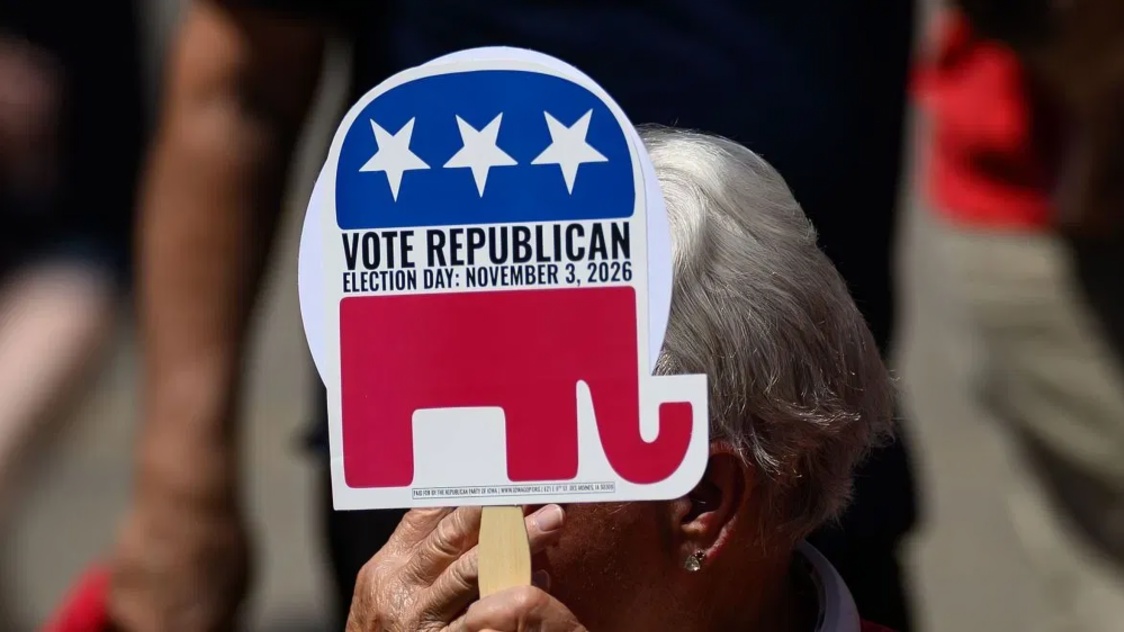
The battle for control of the US Senate is becoming increasingly competitive ahead of the 2026 midterm elections, with Democrats expanding their efforts into states that have traditionally leaned strongly toward the Republican Party.
The changing political map has drawn particular attention to Iowa and Texas. The nonpartisan Cook Political Report recently moved both Senate contests from Lean Republican to Toss Up, citing polling and other evidence that the races are considerably more competitive than previously expected. The organisation said the overall Senate battle is now a toss up, although Republicans retain a narrow structural advantage.
The developments are significant because Iowa and Texas have historically been difficult territory for Democrats in statewide elections. No Democrat has won a US Senate race in Iowa since 2008, while Texas has not elected a Democratic senator since Lloyd Bentsen's victory in 1988. Despite that history, the 2026 contests are attracting greater national attention as Democratic candidates attempt to take advantage of a changing political environment.
In Iowa, Republican Representative Ashley Hinson is running for the open Senate seat against Democratic state Representative Josh Turek. The seat is open because Republican Senator Joni Ernst is retiring. The race has become one of the Democrats' more important opportunities in a state that has shifted toward the Republican Party in presidential elections.
Texas has also emerged as an unexpected battleground. Republican Attorney General Ken Paxton is facing Democratic state Representative James Talarico for an open Senate seat. Texas remains a Republican-leaning state at the federal level, but recent polling and campaign developments have led analysts to reconsider the competitiveness of the race.
The Democratic strategy extends beyond Iowa and Texas. Alaska, Kansas, Mississippi and Nebraska are also receiving attention as Democrats seek to make Republican-held or Republican-leaning Senate seats competitive. In Alaska, Democratic candidate Mary Peltola's performance in the state's nonpartisan Senate primary has created a potentially serious challenge for Republican Senator Dan Sullivan.
Kansas is another state where Democrats are attempting to broaden the Senate map. Democratic candidate Adam Hamilton is challenging Republican Senator Roger Marshall. In Mississippi, Democrat Scott Colom is campaigning against Republican Senator Cindy Hyde-Smith and arguing that the state should be considered part of the wider national Senate competition. Republicans continue to maintain that Democrats face a difficult path in Mississippi.
Nebraska has also attracted attention because independent candidate Dan Osborn is mounting another campaign. Although Nebraska remains strongly conservative, his previous electoral performance and independent positioning have made the race relevant to the wider Senate map.
The expanding Democratic map matters because the party needs to overcome a difficult numerical challenge. Republicans currently hold a 53 to 47 majority in the Senate. Democrats would need to retain their existing seats while gaining at least four Republican-held seats to secure a majority. That means the party must compete successfully in several states where Republican candidates start with a significant partisan advantage.
The political environment has also contributed to the changing Senate landscape. Analysts have pointed to concerns about affordability, fuel prices, national politics and the broader performance of President Donald Trump and his party as factors that could influence the midterm elections. However, the final outcome will depend heavily on individual candidates, turnout, local issues and the national political climate closer to Election Day.
Republicans continue to have important structural advantages. Many of the states now being targeted by Democrats remain Republican-leaning, and Democrats would have to outperform historical voting patterns to win several of these contests. The Republican Party is therefore expected to invest substantial financial and organisational resources in protecting seats that previously appeared relatively secure.
The situation in Iowa illustrates how quickly the political landscape can change. The Cook Political Report has also moved the state's gubernatorial race in the Democratic direction, reflecting a broader competitive environment across the ballot. Similar developments in Texas have also increased scrutiny of Republican candidates and strengthened Democratic hopes of making gains.
For Democrats, the key objective is to create multiple routes to a Senate majority. Expanding the map into traditionally Republican states gives the party more potential opportunities, particularly if some of its candidates encounter stronger-than-expected competition in states where Democratic incumbents are defending their seats.
For Republicans, the widening map means that resources can no longer be concentrated only on the most obvious battlegrounds. Campaign spending, candidate recruitment and voter mobilisation are likely to become increasingly important in states that once appeared relatively safe.
The 2026 midterm elections are still several months away, and current ratings are not predictions of final results. Campaign dynamics, debates, fundraising, polling and voter turnout can change significantly before voting takes place.
Nevertheless, the recent movement in Iowa and Texas has already changed the national conversation about Senate control. What once appeared to be a difficult Democratic path is now being treated by several election analysts as a genuinely competitive contest, while Republicans are being forced to defend a larger number of traditionally conservative states.
The expanding Senate map therefore represents an important development in the 2026 US midterm elections. Whether Democrats can convert competitive campaigns into actual victories will determine whether they can regain control of the Senate, while Republicans will be seeking to preserve their majority by defending seats across an increasingly challenging political landscape.