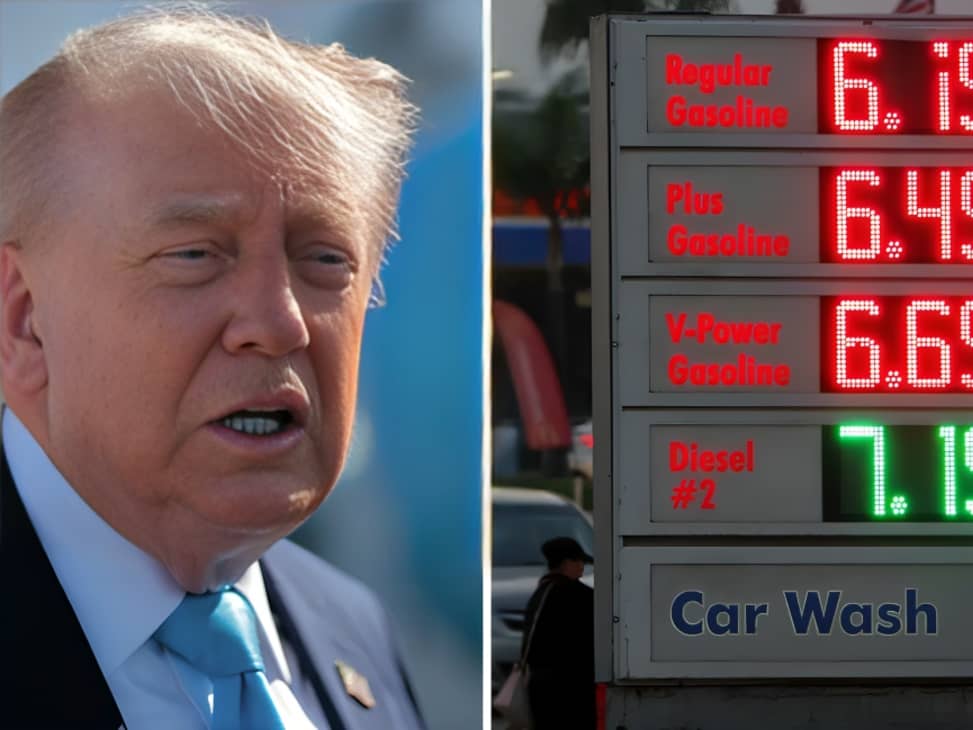
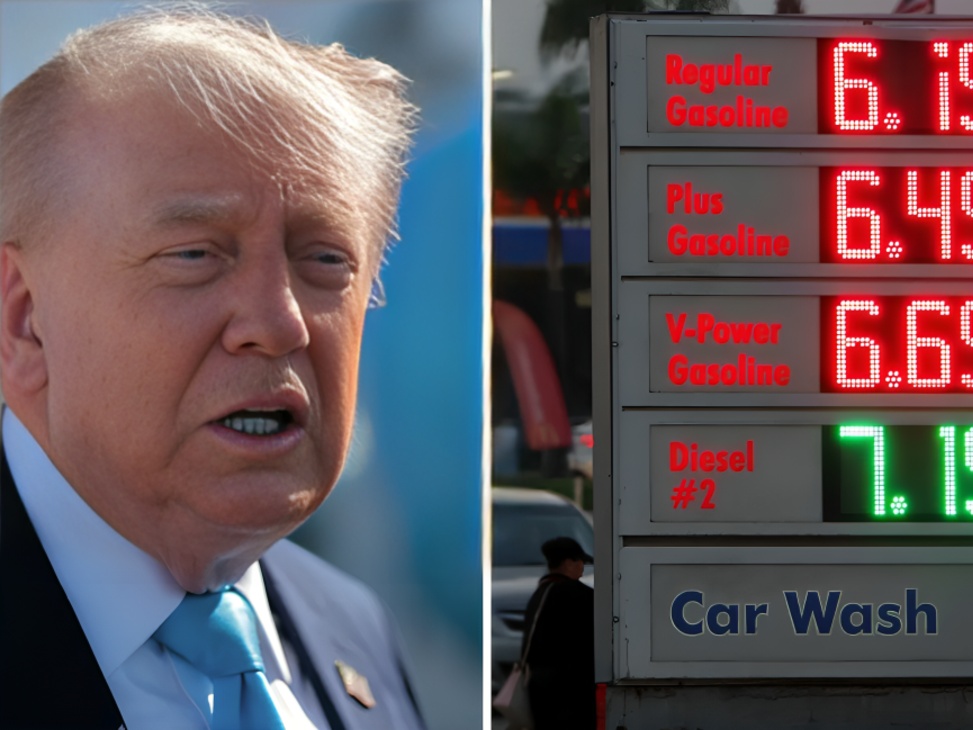
United States President Donald Trump has urged gasoline retailers across the country to reduce fuel prices immediately, stating that consumers should benefit from changes in energy market conditions. His remarks have renewed public discussion about fuel pricing, inflation and the factors that influence retail gasoline costs in the United States.
In his public statement, President Trump said that gasoline retailers should lower prices without delay. He argued that when crude oil and wholesale fuel prices decline, consumers should see those reductions reflected at fuel stations. He also warned retailers against maintaining prices at levels that are not supported by market conditions.
Fuel prices in the United States are influenced by several factors, including global crude oil prices, refining costs, transportation expenses, taxes, regional supply conditions and local market competition. Changes in any of these factors can affect the final price paid by consumers at retail fuel stations.
Economists note that retail fuel prices do not always move immediately in line with fluctuations in crude oil prices. Retailers often adjust prices based on existing inventory costs, supply contracts and regional demand. As a result, changes in global energy markets may take time to be reflected at fuel stations.
President Trump's comments come amid continued attention on inflation and the cost of living in the United States. Fuel prices play an important role in household expenses and transportation costs, while also influencing the prices of goods and services through higher logistics and distribution expenses.
The administration has repeatedly stated that affordable energy remains an important economic objective. Lower fuel prices can reduce transportation costs for businesses and consumers, potentially easing inflationary pressure across several sectors of the economy.
Industry analysts have pointed out that gasoline pricing is largely determined by market forces and varies significantly between states because of differences in fuel taxes, environmental regulations, transportation costs and supply infrastructure. Consequently, retail prices may not change uniformly across the country.
Energy experts also emphasize that international developments, including crude oil production, geopolitical events, refinery operations and seasonal demand, continue to affect fuel prices worldwide. These global factors remain important considerations for both policymakers and energy companies.
Following the President's remarks, market observers are expected to monitor whether retail gasoline prices show any noticeable changes in the coming days. Oil companies and fuel retailers have not universally responded to the statement, and future pricing decisions are likely to continue reflecting prevailing market conditions.
The issue of fuel prices remains an important economic topic in the United States because of its direct impact on household budgets, transportation, manufacturing and overall economic activity. As energy markets continue to evolve, government officials, industry participants and consumers will closely watch developments affecting fuel affordability and supply across the country.