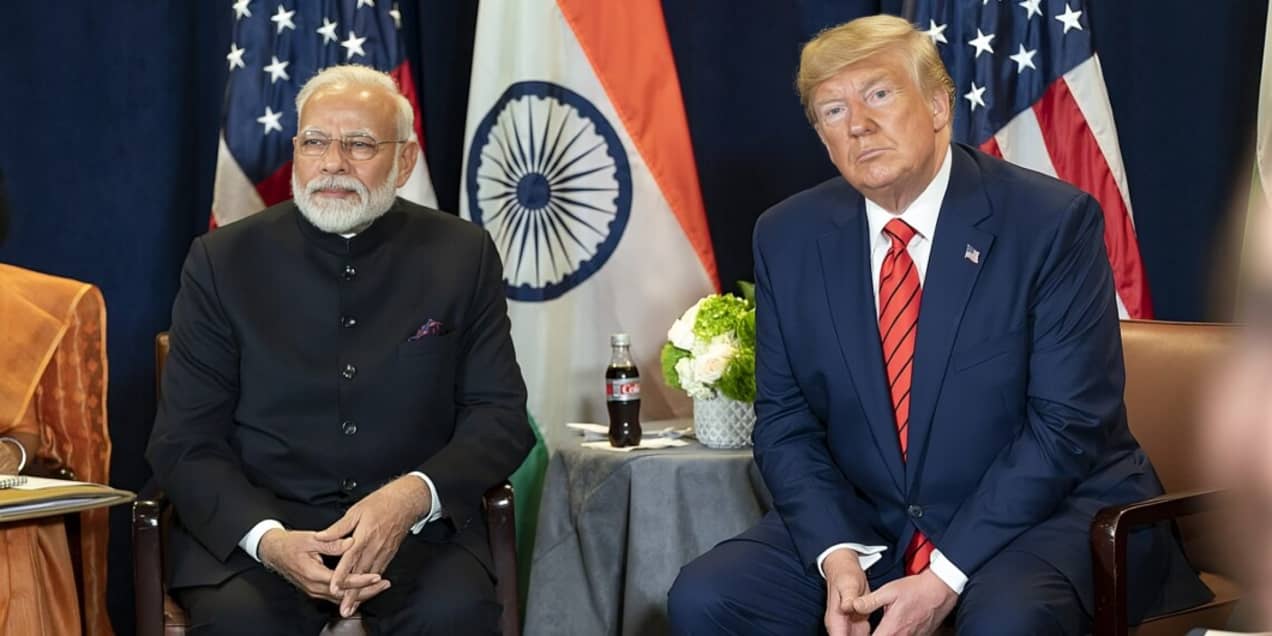
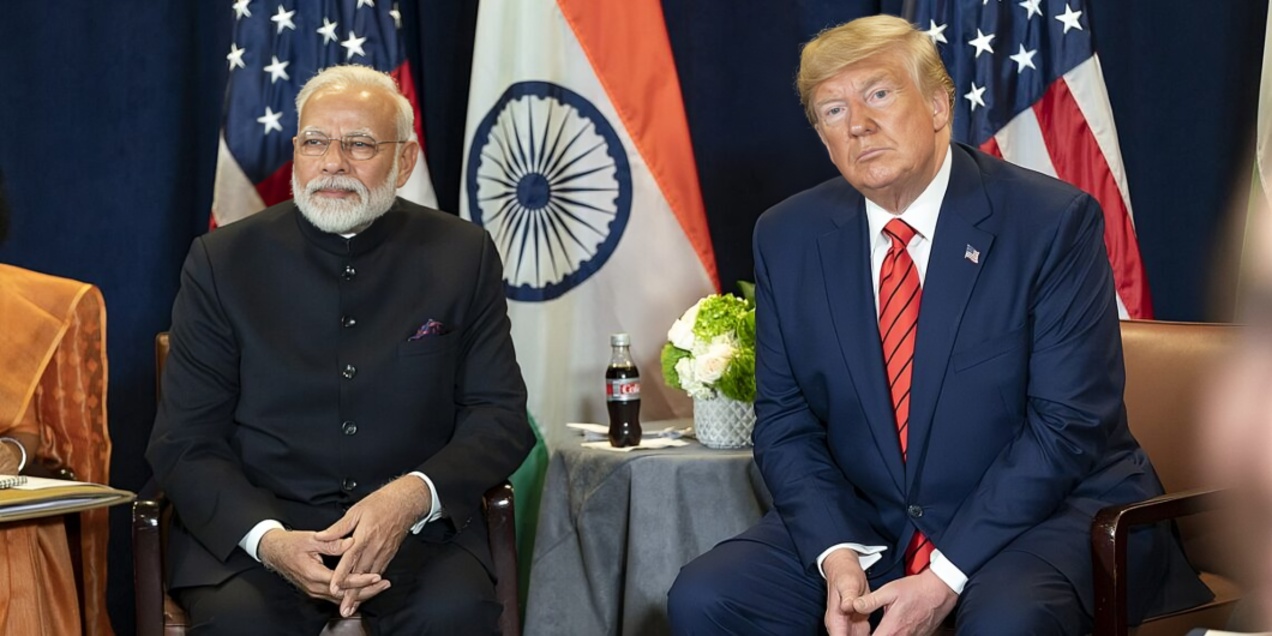
The United States has sought to ease tensions with India over Washington’s new Russia sanctions law, saying there are no hard feelings over New Delhi’s strong response and highlighting American energy supplies as a possible area for greater cooperation.
A senior US State Department official said Washington is looking to become a major source of energy for India as the country continues to deal with rising energy requirements. The official said the United States is increasing its hydrocarbon exports and is prepared to respond to India’s substantial demand for oil and other energy resources.
The remarks came shortly after US President Donald Trump signed the Lindsey O. Graham Sanctioning Russia and Iran Act of 2026 into law. The legislation expands the US administration’s authority to impose sanctions and tariffs on Russia and countries that continue to purchase Russian oil and gas.
The law gives the US President authority to impose tariffs of up to 100 percent on goods from major buyers of Russian energy. India and China are among the countries that could potentially face such measures because of their significant purchases of Russian crude. However, the legislation does not automatically impose a 100 percent tariff on India. The final decision on whether tariffs are imposed, the rate, and the countries targeted rests with the US administration.
The new law has added uncertainty to India’s energy and trade relations with the United States. India has repeatedly maintained that its energy purchases are guided by national interest and the need to ensure energy security for its population. The Ministry of External Affairs has said that meeting the energy requirements of India’s large population is an important national priority.
The senior US official indicated that Washington sees India’s energy diversification as a process that has been under consideration for several years. According to the official, India had already been exploring ways to diversify its energy sources even before the Russia Ukraine conflict. The official said the current circumstances could accelerate that process.
The United States has been seeking a larger role in India’s energy market, particularly through increased exports of hydrocarbons. American crude oil and other energy supplies could provide India with an additional source as New Delhi looks to maintain a diversified import basket.
India is heavily dependent on imported crude oil to meet domestic demand. The Indian Express has reported that more than 88 percent of India’s crude oil requirements are met through imports, while Russia has become a major source of those imports. This dependence makes changes in global energy supplies and international sanctions particularly significant for India.
The US official also sought to reduce the significance of India’s warning over the sanctions legislation. The comments suggested that Washington understood why New Delhi had reacted strongly after the US Congress adopted a measure that could potentially affect countries buying Russian energy.
India has not accepted the premise that its energy purchases should be determined by pressure from another country. New Delhi has instead stressed the importance of maintaining energy security while protecting its economic interests.
External Affairs Minister S Jaishankar also discussed India’s concerns over the new US legislation with US Secretary of State Marco Rubio during their meeting on the sidelines of the United Nations General Assembly. India said it would take all necessary steps to protect its economic interests and ensure energy security.
At the same time, Washington has indicated that the new sanctions law does not necessarily mean that tariffs will immediately be imposed on India. US Secretary of State Marco Rubio said the legislation gives the President tariff authority and also provides national security waiver provisions that can be used in individual cases.
This distinction is important because the law provides the administration with an additional policy instrument rather than automatically triggering the maximum tariff against every country purchasing Russian oil. The eventual impact on India will depend on how the US administration chooses to use the authority granted by Congress.
The issue comes at a sensitive time for India US relations. The two countries have extensive economic, strategic, defence and energy ties, while trade negotiations have also remained an important part of their bilateral engagement.
For India, the immediate challenge is to balance energy security with the potential economic consequences of any future US trade measures. Diversifying crude oil supplies could reduce exposure to any single supplier, but replacing large volumes of Russian crude may also involve changes in procurement costs, refinery economics, shipping arrangements and global supply chains.
For the United States, expanding energy exports to India could provide an opportunity to increase its presence in one of the world’s largest and fastest growing energy markets. Washington’s latest comments therefore combine pressure over Russian energy purchases with an offer to increase American energy supplies.
The developments indicate that the Russia sanctions issue has created a new point of tension in India US relations, but both sides continue to have interests in maintaining broader economic and strategic cooperation. The next steps will depend on how Washington implements the new law and how New Delhi adjusts its energy sourcing strategy.
For now, the US has signalled that it wants to increase its role as an energy supplier to India while avoiding an escalation in rhetoric over New Delhi’s response to the Russia sanctions legislation. India, meanwhile, continues to emphasise energy security and the protection of its national economic interests.