The White House denied CNN and MS NOW journalists access to Chinese President Xi Jinping’s arrival for a state dinner hosted by President Donald Trump, creating a new dispute over media access just hours after a federal judge ordered the administration to restore the outlets’ access to the White House.
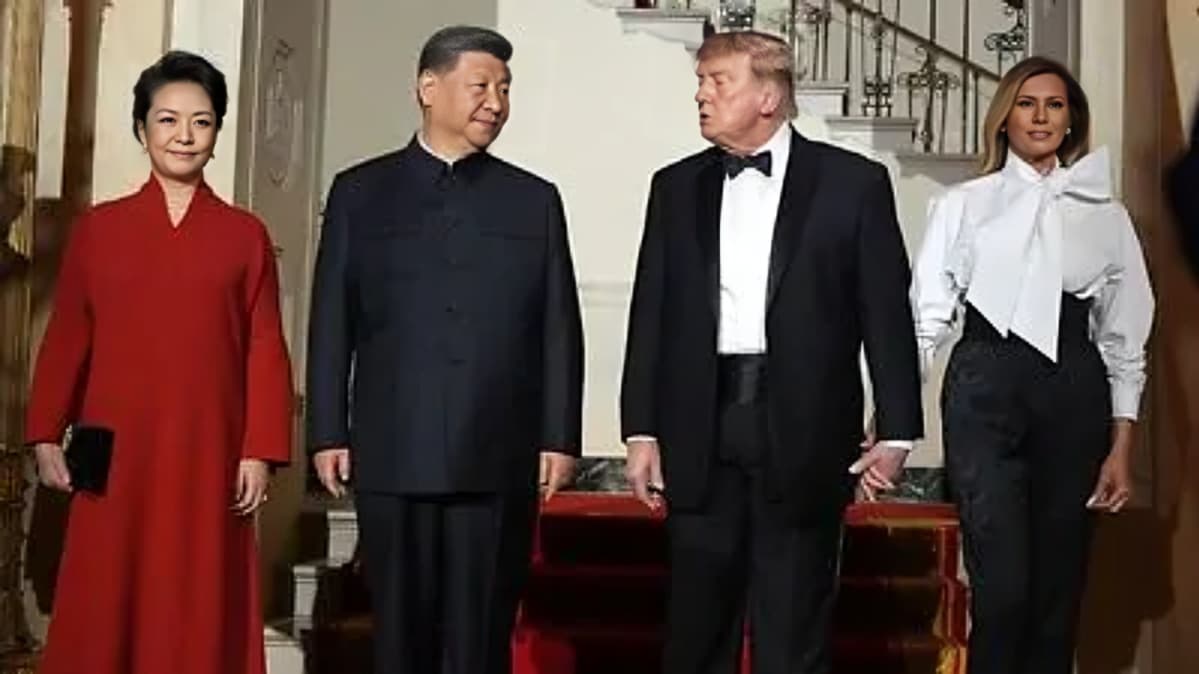
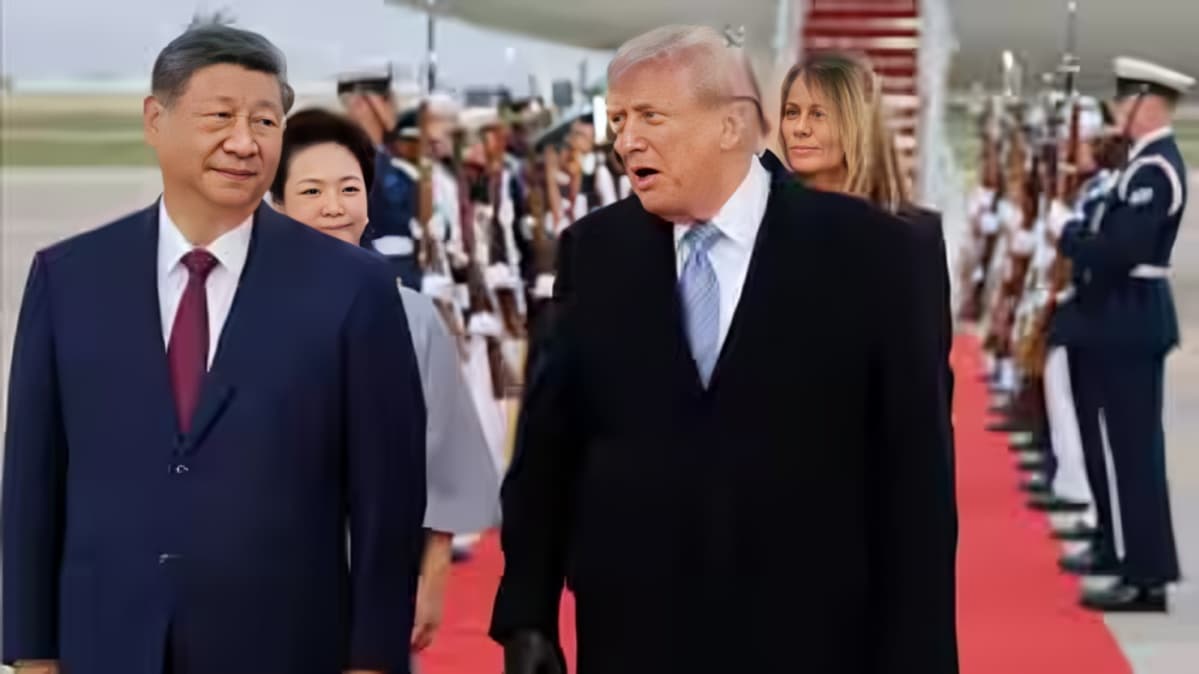
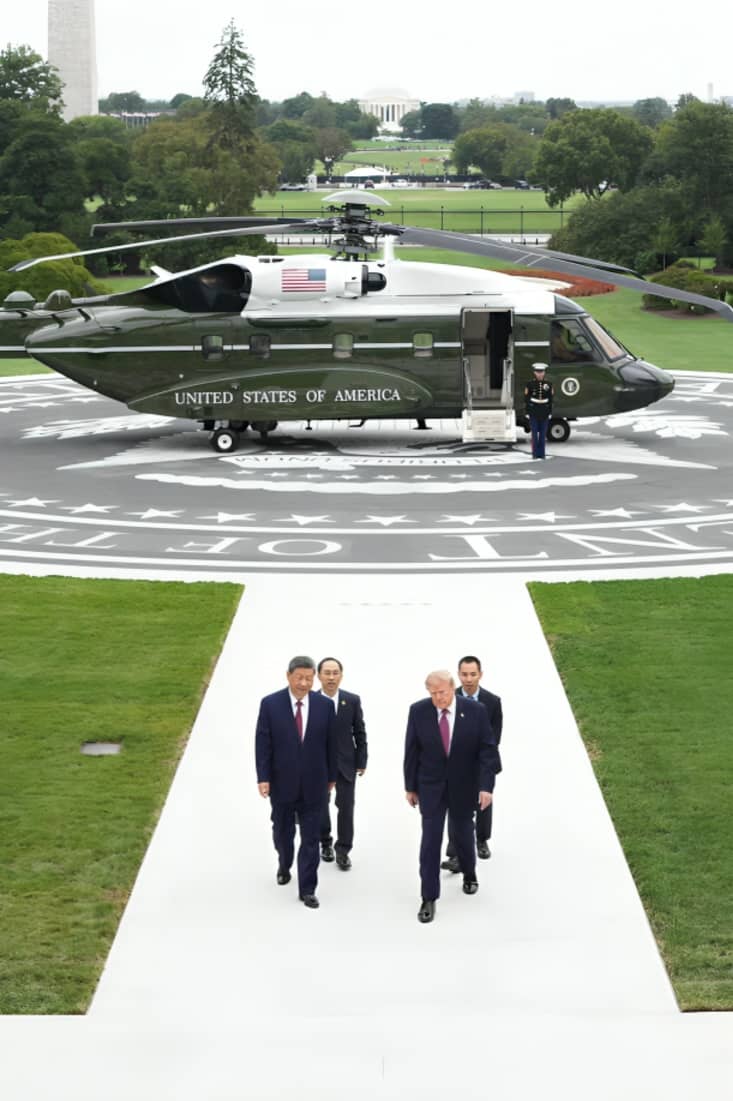
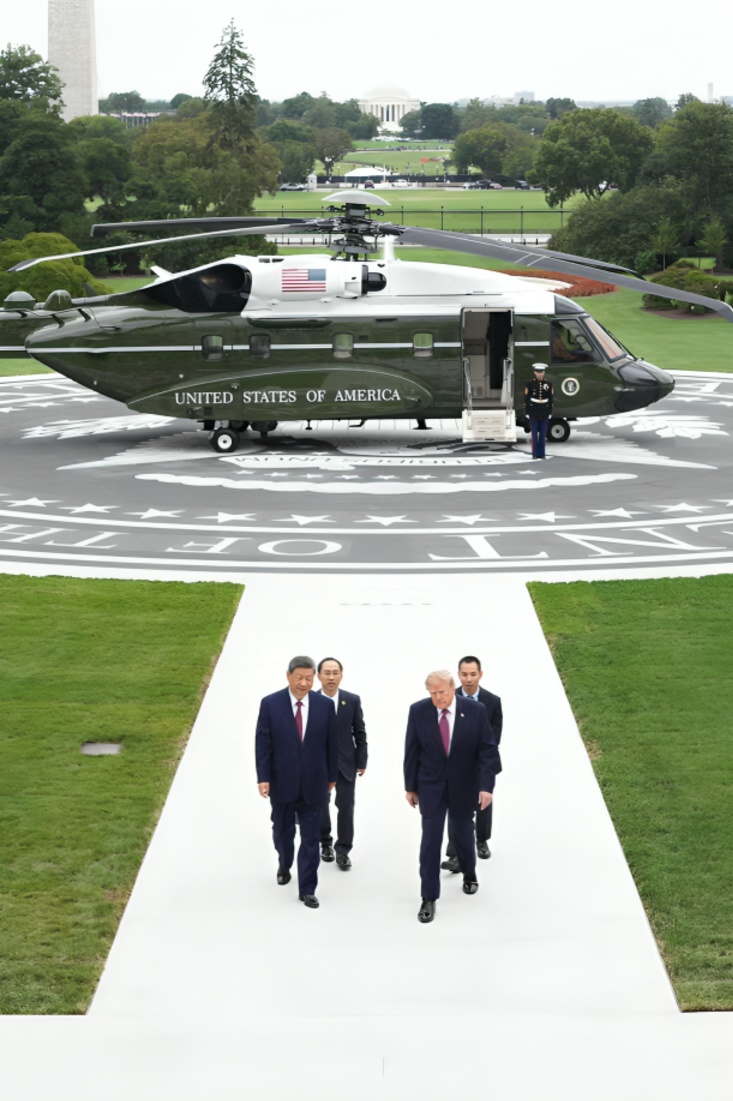
Xi Jinping visited Washington on September 24, 2026, for meetings with Trump and attended a formal state dinner at the White House. The event was one of the most significant diplomatic occasions of Xi’s visit to the United States. However, journalists from CNN and MS NOW said they were prevented from covering Xi’s arrival for the dinner despite having regained access to the White House earlier in the day.
According to reporting by The Associated Press, CNN said the White House permitted a photojournalist and an audio technician to attend the event but refused entry to the reporter and producer assigned to cover the arrival. MS NOW also reported that its journalist Laura Barrón-López was denied access to the arrival ceremony on the White House portico. Other television networks were allowed to send reporters and producers to the event.
The incident followed a federal court ruling involving CNN, MS NOW and Politico. US District Judge Timothy Kelly issued a temporary restraining order directing the Trump administration to restore the three organizations’ White House access. The order came after the outlets challenged the administration’s decision to revoke their press credentials.
Judge Kelly said the news organizations were likely to succeed in showing that their press credentials had been revoked without constitutionally adequate due process. His order required the White House to immediately return, reinstate and restore the affected journalists’ access. The temporary order was set to remain in effect for 14 days while the broader legal dispute continues.
CNN, MS NOW and Politico had initially been barred from the White House after Trump criticized their coverage. The administration later argued that the outlets’ reporting raised national security concerns. The news organizations disputed that reasoning and argued in court that the restrictions were connected to the administration’s disagreement with their reporting.
Judge Kelly questioned the standards used by the administration to justify the removal of press credentials. According to the Associated Press, the judge said the standard concerning objectionable reporting was too vague to provide a sufficient basis for revoking access. He also rejected, at this stage of the case, the administration’s argument that the outlets’ reporting created a national security risk.
The White House has maintained that access to the White House and participation in certain limited-capacity events are subject to administration rules. During court proceedings, a Justice Department lawyer argued that access to the White House is a privilege and that the president has authority over access to the building and its events. The administration has also cited national security and operational considerations in defending its broader media-access decisions.
The distinction between general White House access and access to a particular event is important in this case. Judge Kelly’s temporary order dealt with the journalists’ White House credentials. It did not specifically require the administration to include CNN in every restricted media pool or guarantee particular reporters access to every limited-capacity event.
CNN’s removal from the White House television video pool was also not directly resolved by the judge’s ruling. The White House had previously removed CNN from a rotation in which major US television networks share video coverage of presidential events. Other networks subsequently declined to participate in the pool after CNN was excluded, according to the Associated Press.
The dispute became particularly visible because Xi’s state dinner was taking place on the same day that the court order restored the outlets’ general access. The dinner brought together Trump, Xi and other senior officials and guests as part of the Chinese president’s Washington visit.
Trump also criticized major television networks during the dispute, arguing that they had not provided adequate coverage of his meetings and events involving Xi. The Associated Press reported that Trump posted online that television networks had refused to cover what he described as a major and significant event. His comments were part of a wider dispute between the president and several news organizations over their coverage of his administration.
The developments have renewed attention on the relationship between the US presidency and the news media, particularly over press access to government officials and public events. The legal dispute is also being watched because it involves questions about constitutional due process and the government's ability to restrict journalists' access based on their reporting.
The court's temporary order does not represent a final decision on the broader case. The judge has given the parties additional time to present arguments concerning whether a longer-lasting preliminary injunction should be issued. Further proceedings are expected to determine whether the administration's restrictions on the three news organizations can remain in place.
For now, CNN, MS NOW and Politico have regained general access to the White House under the temporary court order. However, the decision to deny CNN and MS NOW journalists access to Xi Jinping’s state dinner arrival shows that the dispute over press access has not ended.
The episode also highlights the difference between restoring a journalist’s general credentials and guaranteeing access to every presidential event. The continuing legal proceedings are expected to clarify the limits of presidential authority over White House press access and the protections available to journalists covering the administration.