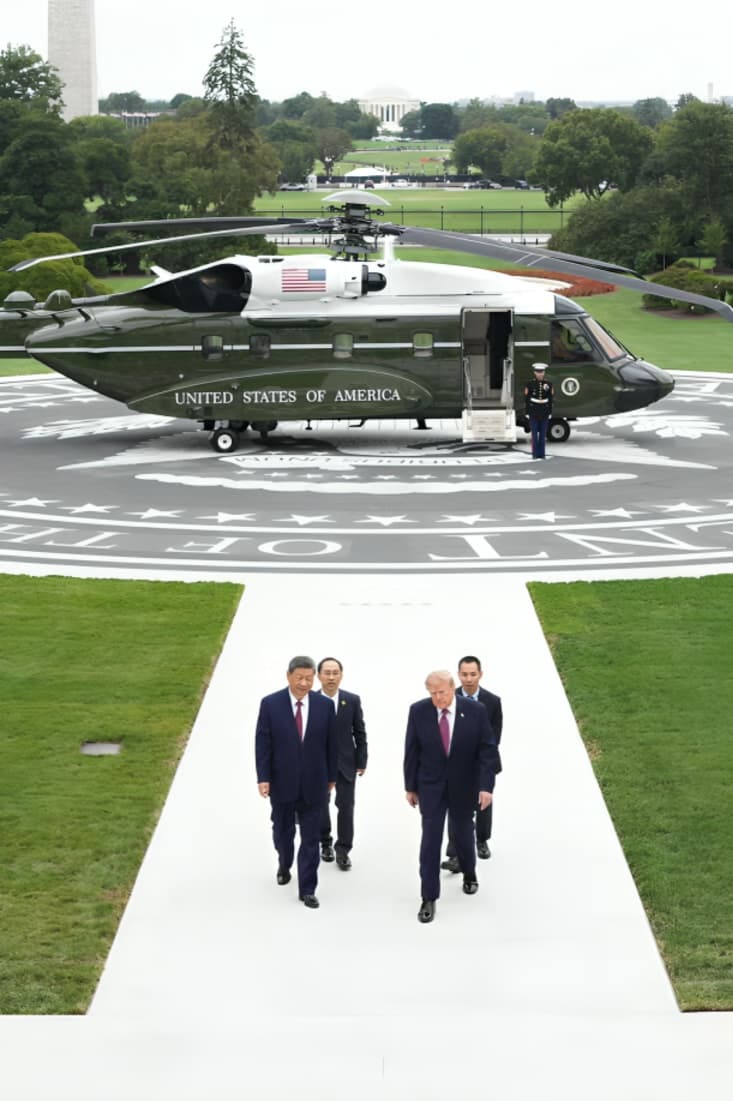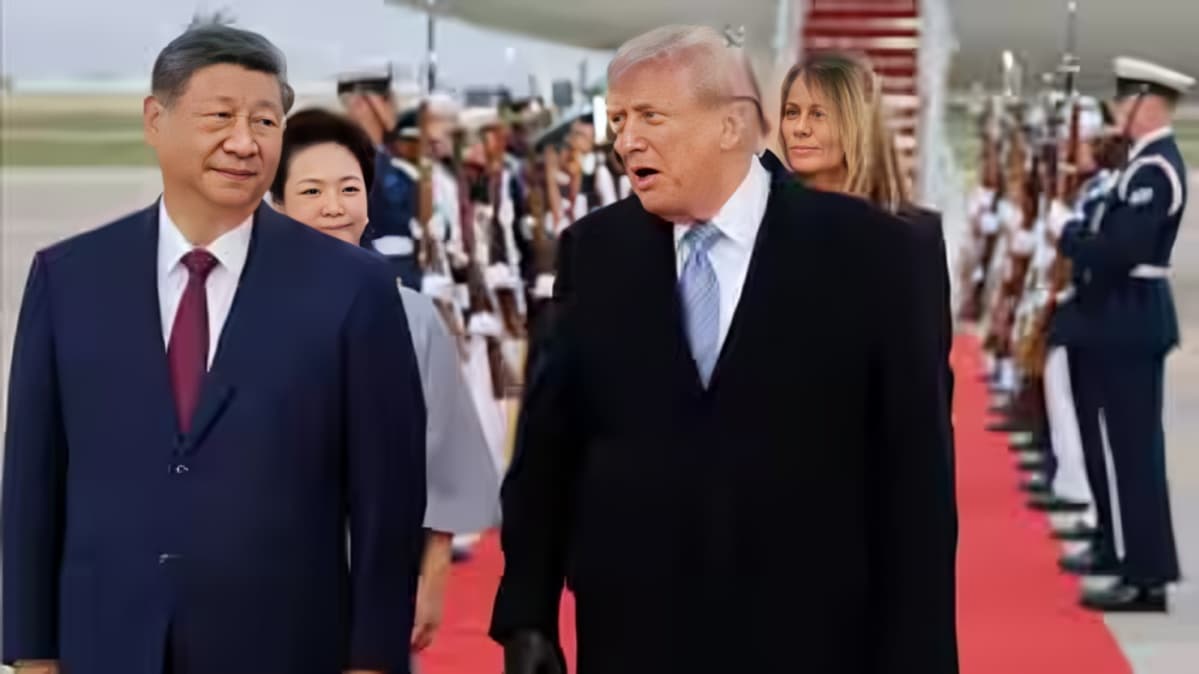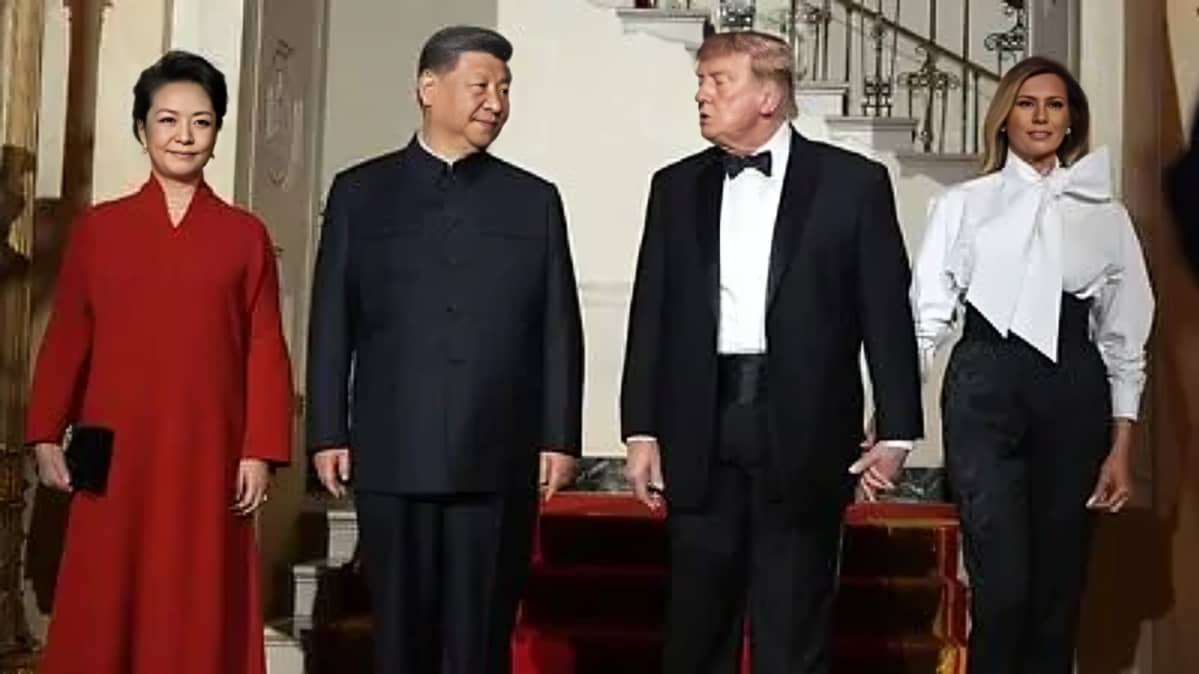
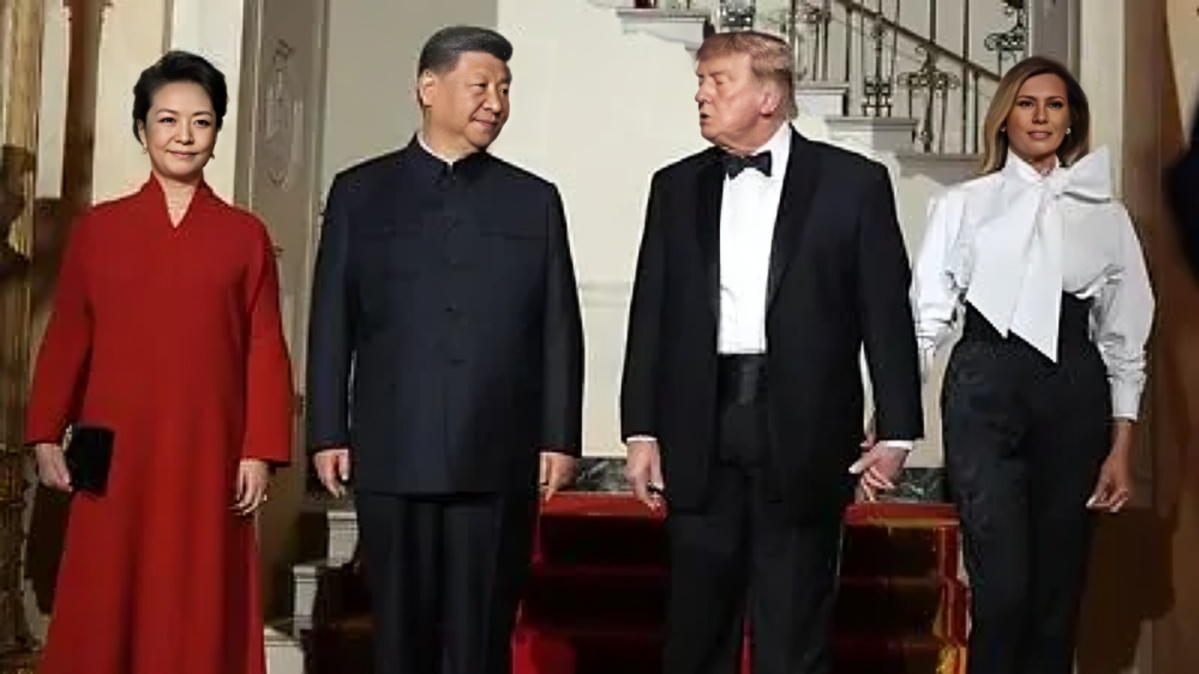
US President Donald Trump and Chinese President Xi Jinping used a White House state dinner to highlight the long history of relations between the United States and China, with both leaders adopting a warm tone despite continuing differences between the two countries.
The state dinner was held at the White House on September 24 as part of Xi Jinping’s three day visit to Washington. Trump and First Lady Melania Trump hosted Xi and his wife, Peng Liyuan, at the formal dinner attended by senior government officials, business leaders and prominent technology executives. The White House said the event was organised to bring together members of the official delegations as well as representatives from business and government.
During his toast, Trump thanked Xi for visiting the United States and referred positively to the relationship between the two leaders. He acknowledged that the United States and China have different political systems but said the ties between their people have continued over the years.
Trump also spoke about the long history of interaction between the two countries and said that continued engagement could support prosperity and security for future generations. His comments reflected the more cordial public tone surrounding Xi’s current visit to Washington.
One of the notable moments during the dinner was Trump’s presentation of a bald eagle sculpture to Xi. Trump described the bald eagle as a national symbol of the United States and said he hoped the sculpture would find a suitable place in Beijing. He also said that he and Melania Trump had been involved in the design of the gift with an American artist.
Trump also briefly discussed the new White House ballroom during his remarks. He invited guests to view the construction area and suggested that Xi and Peng could be among the first visitors to the project. The ballroom project has been one of the major changes Trump has highlighted during his current presidency.
Xi Jinping also used his toast to highlight historical links between the two countries. He referred to cooperation between Chinese and American people during World War II, when both countries opposed Japanese militarist forces. Xi described that history as an important part of the relationship between the two peoples.
Xi also referred to Ping Pong diplomacy, a term associated with the exchanges between the United States and China in the early 1970s. Those exchanges helped create conditions for the eventual normalisation of diplomatic relations between Washington and Beijing.
According to the Chinese Foreign Ministry, Xi said that the two countries had developed common understanding on a number of issues during his visit. He said the discussions had added new substance and strategic guidance to the relationship between China and the United States. However, the dinner speeches did not provide detailed information about specific agreements resulting from the discussions.
Xi also said that the two countries should approach their relationship as major global powers and seek a way for them to coexist while addressing the expectations of their populations. He connected the future of bilateral relations with economic development, international stability and continued people to people exchanges.
The state dinner also reflected the economic importance of the US China relationship. A number of major technology and business leaders attended the event. Reports identified executives and business figures including Apple CEO Tim Cook, Nvidia CEO Jensen Huang, OpenAI CEO Sam Altman and Tesla and SpaceX chief executive Elon Musk among the prominent guests.
The dinner took place against a wider backdrop of discussions between Washington and Beijing on trade, technology, artificial intelligence, Taiwan and other strategic issues. Although the two leaders emphasised cooperation during the dinner, significant policy differences remain between the two governments.
The two countries have faced years of disagreements over tariffs, technology restrictions, trade, Taiwan, human rights and security issues. The current visit therefore represents an effort to maintain high level communication while both governments continue negotiations and discussions on areas of mutual interest.
The warm exchanges at the dinner do not necessarily indicate that all major disagreements between Washington and Beijing have been resolved. Instead, the event provided an opportunity for both leaders to publicly emphasise dialogue and the historical connections between their countries.
The White House state dinner also included cultural performances and a menu that incorporated American ingredients with Chinese influences. According to the White House, the meal began with a toast using American sparkling wine associated with the 1972 visit of former US President Richard Nixon to China. The menu included squash soup, sesame crusted sea bass, baby bok choy and a dessert featuring White House honey.
The symbolism of the dinner was significant because the United States and China remain two of the world’s most influential economic and military powers. Their bilateral relationship has consequences for global trade, technology supply chains, financial markets and international security.
Xi’s reference to the historical relationship between the two peoples was also part of Beijing’s broader diplomatic messaging. China has frequently highlighted the cooperation between the two countries during World War II and the role of people to people exchanges in developing bilateral ties.
For Washington, maintaining direct communication with Beijing remains important because the two countries have overlapping economic interests despite their strategic competition. Trump’s comments during the dinner focused on the possibility of developing a relationship that supports economic prosperity and security.
The state dinner therefore served both a diplomatic and symbolic purpose. It provided a platform for Trump and Xi to publicly emphasise personal engagement, historical ties and the importance of continued dialogue.
At the same time, the broader US China relationship will continue to depend on negotiations and government decisions involving trade, technology, security and other areas. The dinner itself did not resolve all of these outstanding issues.
The latest meeting is part of a series of high level engagements between Trump and Xi. Their continued meetings indicate that both governments are maintaining direct communication despite significant differences in their respective positions.
As Xi’s three day Washington visit continues, attention remains focused on whether the discussions will lead to concrete agreements on major bilateral issues. For now, the White House dinner has highlighted a more cordial public atmosphere, with both leaders using their speeches to emphasise cooperation, historical connections and the importance of maintaining stable relations.