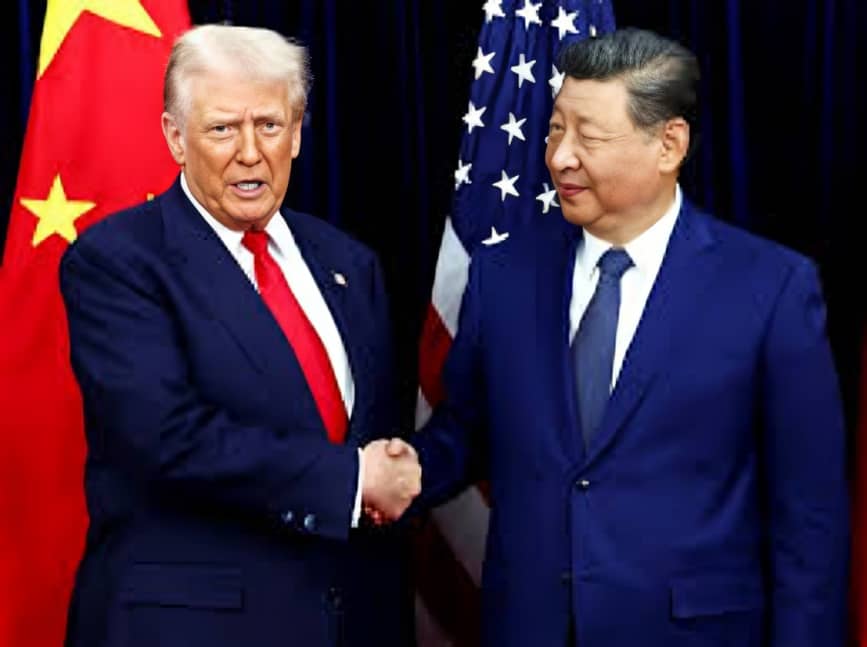

United States President Donald Trump is set to travel to China from May 13 to 15 for an official state visit hosted by Chinese President Xi Jinping. The visit is expected to be one of the most closely watched diplomatic events of the year, as it will mark the first direct meeting between the two leaders in more than six months.
Officials from both countries have indicated that the discussions are likely to focus on a range of important international and bilateral issues, including trade relations, economic cooperation, technology policies and regional security concerns. The meeting comes at a time when the relationship between the United States and China continues to attract significant global attention because of its impact on international politics and the world economy.
Political analysts believe the visit could play an important role in stabilizing communication between the two countries amid ongoing tensions over trade policies, geopolitical influence and strategic competition. The United States and China remain two of the world’s largest economies, and decisions taken by their leaders often influence global markets and international diplomacy.
The upcoming state visit is also expected to include official ceremonies, bilateral meetings and high level discussions involving senior officials from both governments. Diplomatic observers suggest that both leaders may attempt to improve engagement and reduce disagreements in key areas where tensions have increased in recent years.
Trade remains one of the central issues in the relationship between Washington and Beijing. Previous rounds of tariff disputes and economic restrictions have affected businesses and industries across several countries. Experts say renewed dialogue between the two leaders could help create a more stable environment for global trade and investment.
In addition to economic matters, security and geopolitical developments are also expected to be discussed during the meetings. International issues related to the Indo Pacific region, global supply chains and international conflicts may form part of the broader diplomatic agenda.
The meeting between Donald Trump and Xi Jinping is drawing attention from governments and investors around the world. Financial markets often closely monitor diplomatic interactions between the United States and China because of their influence on trade policies, currency movements and international economic confidence.
Political observers note that the relationship between the two leaders has experienced periods of both cooperation and tension in recent years. Previous meetings between Trump and Xi focused on trade negotiations, diplomatic coordination and efforts to manage strategic competition between the two nations.
Chinese officials have described the visit as an opportunity to strengthen communication and expand cooperation in areas of mutual interest. American officials have also indicated that maintaining direct dialogue between the two countries is important for global stability and economic growth.
The visit is expected to receive extensive international media coverage, with analysts watching closely for announcements related to trade agreements, diplomatic initiatives or future cooperation frameworks. Any joint statements issued after the meetings may provide insight into the future direction of relations between the two countries.
Experts believe that the outcome of the visit could influence not only bilateral ties but also broader international political and economic developments. Countries across Asia, Europe and other regions continue to closely follow relations between Washington and Beijing because of their impact on global diplomacy and international markets.
As preparations continue for the visit, diplomatic teams from both nations are expected to finalize meeting schedules, policy discussions and security arrangements ahead of the official talks in China.