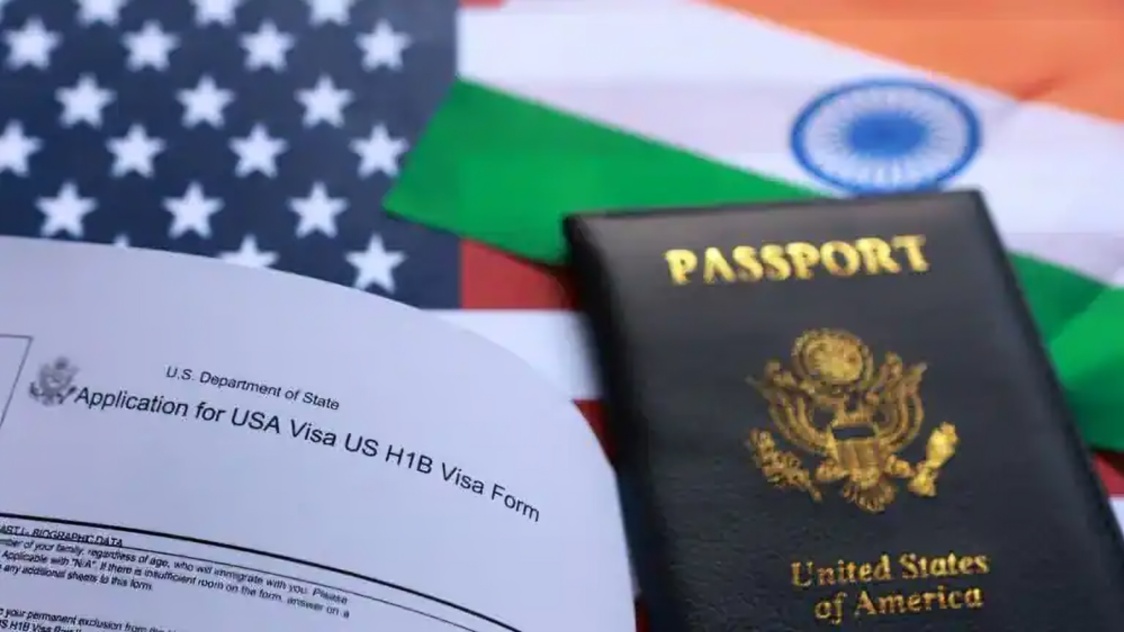
The US Department of Homeland Security is advancing a proposal that could change the current grace period available to H-1B visa workers after they lose their jobs. The proposal has attracted attention among foreign professionals and employers because the existing rules provide eligible H-1B workers with a limited period to find new employment or take another permitted immigration step after their employment ends.
Under the current framework, an eligible H-1B worker generally may receive a grace period of up to 60 days following the termination of employment, or until the end of the worker's authorised validity period, whichever is earlier. During this period, the worker may have an opportunity to find another qualifying employer, pursue a change of status or take another immigration action permitted under US rules.
The proposed Department of Homeland Security changes could affect how this grace period operates. If adopted in the proposed form, the changes could reduce the flexibility currently available to some H-1B workers following the loss of employment.
The issue is particularly important for technology professionals and other skilled workers who depend on H-1B status to remain legally employed in the United States. When an H-1B worker loses a job, finding another qualifying position can take time because a prospective employer may need to complete the required immigration process.
The existing grace period provides a limited window during which workers can search for another job and take steps to maintain lawful immigration status. Changes to that period could therefore increase the pressure on workers who unexpectedly become unemployed.
H-1B visas are commonly used by US employers to hire foreign professionals in specialised occupations. The programme covers workers in areas such as technology, engineering, science, healthcare and other specialised fields, subject to applicable requirements and annual limits.
For H-1B workers, maintaining lawful status is an important consideration when changing employers or employment circumstances. A worker who loses employment must carefully consider the available immigration options and the applicable deadlines.
The proposed DHS changes do not by themselves mean that the existing 60 day grace period has already ended. A proposal must go through the applicable federal rulemaking process before any final regulatory change takes effect. The final provisions could also differ from the initial proposal.
The potential change has generated concern because H-1B workers often make significant financial and personal commitments while living and working in the United States. A shorter period to secure another qualifying job could make employment disruptions more difficult to manage.
Employers could also be affected because companies hiring H-1B professionals may face additional pressure to complete employment and immigration procedures quickly. Any change to the grace period could therefore have implications for both workers and businesses that rely on international talent.
The proposal is also relevant to foreign nationals who may be considering a change of status or other immigration options after losing H-1B employment. The appropriate course of action can vary depending on the worker's individual immigration history, current status, employment situation and eligibility for another category.
Indian professionals are likely to pay particular attention to the development because a significant number of Indian nationals work in the United States under H-1B status. Technology companies and other employers frequently use the H-1B programme to recruit skilled workers from India and other countries.
However, it is important to distinguish between a proposed regulatory change and a final rule. Until the rulemaking process is completed and a final regulation becomes effective, eligible H-1B workers should not assume that the current grace period has already been removed.
Workers facing employment termination should also avoid relying solely on media reports when making immigration decisions. The timing of employment termination, the validity of the H-1B petition, any pending immigration application and the availability of another immigration category can affect an individual's options.
The DHS proposal is therefore being closely watched by H-1B workers, employers, immigration professionals and technology industry stakeholders. Further details will become clearer as the federal rulemaking process progresses.
For now, the key point is that the 60 day H-1B grace period should not be described as having already ended solely because DHS is considering a change. The proposal could modify the existing framework, but its final impact will depend on the text of the final rule and its effective date.
H-1B workers and employers should continue to monitor official US immigration announcements for updates. Those facing an actual job loss should seek advice from a qualified US immigration attorney or authorised immigration professional to understand their specific options and deadlines.