
Rhetorical tensions between Iran and the United States have escalated following remarks by Iran’s Supreme Leader Ali Khamenei, who warned that American warships operating near Iran could face military action. The comments were made as indirect nuclear discussions resumed in Geneva and as US naval forces maintained a visible presence in the broader Middle East region.
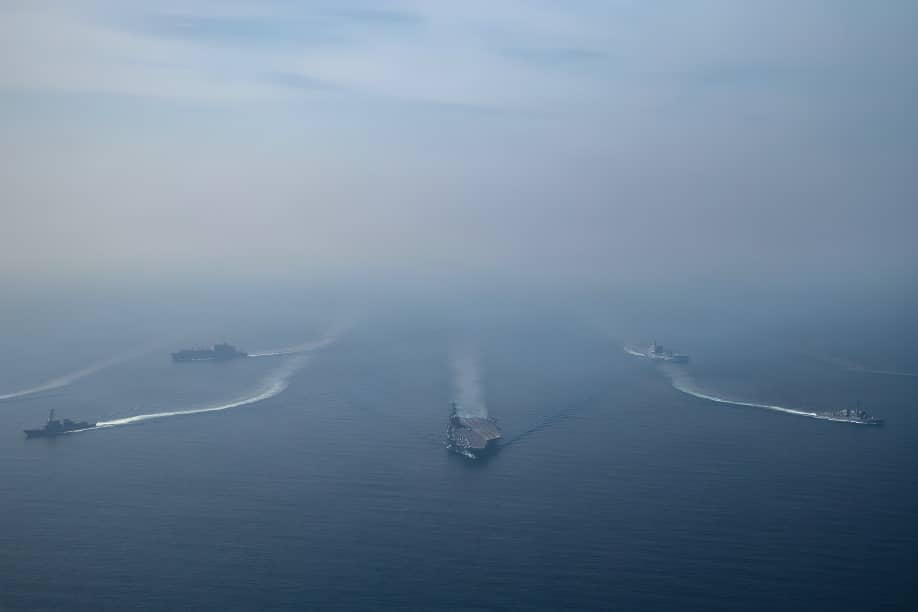
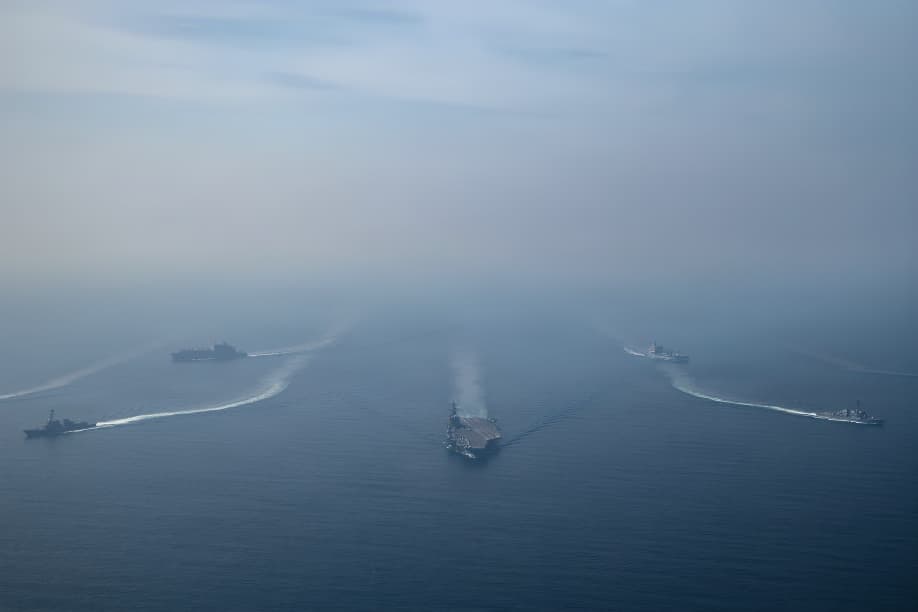
The warning referenced American aircraft carriers, including the USS Abraham Lincoln carrier strike group, which has been deployed as part of ongoing US operations in the region. Aircraft carriers are among the most significant assets in the United States Navy, capable of projecting air power and supporting a wide range of military operations.
Khamenei stated in a public message that while warships represent powerful military hardware, the weapons capable of targeting them are more powerful still. His remarks were widely interpreted as a signal of Iran’s readiness to respond to perceived threats. The statement followed reports that US President Donald Trump had reinforced American military deployments in the region, including the reported positioning of multiple carrier groups.
In response to heightened tensions, Iran conducted maritime exercises through the Islamic Revolutionary Guard Corps in and around the Strait of Hormuz. The Strait is one of the world’s most strategically significant waterways, serving as a transit route for a substantial portion of global oil shipments. Any disruption in this corridor can have immediate implications for international energy markets.
Military analysts note that the Islamic Revolutionary Guard Corps Navy has invested in asymmetric naval capabilities over the years, including fast attack craft, anti ship missiles and naval mines. These systems are designed to operate in confined waters such as the Persian Gulf. However, aircraft carrier strike groups are typically protected by layered defence systems, including guided missile destroyers, cruisers and advanced surveillance networks.
The broader context of the current exchange is the resumption of diplomatic engagement related to Iran’s nuclear programme. Indirect talks in Geneva are aimed at addressing longstanding disputes over nuclear development, sanctions and regional security concerns. While negotiations continue, public statements from both sides reflect ongoing mistrust and strategic signalling.
Observers emphasise that rhetoric during periods of negotiation can serve multiple purposes, including domestic political messaging and deterrence. However, escalatory language also carries the risk of miscalculation, particularly in areas where naval forces operate in close proximity.
Despite the strong language, there have been no confirmed direct military confrontations linked to the recent statements. Diplomatic channels remain open, and international stakeholders continue to encourage dialogue to prevent further escalation.
The evolving situation highlights the delicate balance between military posturing and diplomatic engagement in a region that has historically experienced volatility. As nuclear discussions proceed, global attention remains focused on whether dialogue can ease tensions and maintain stability in one of the world’s most strategically important regions.


