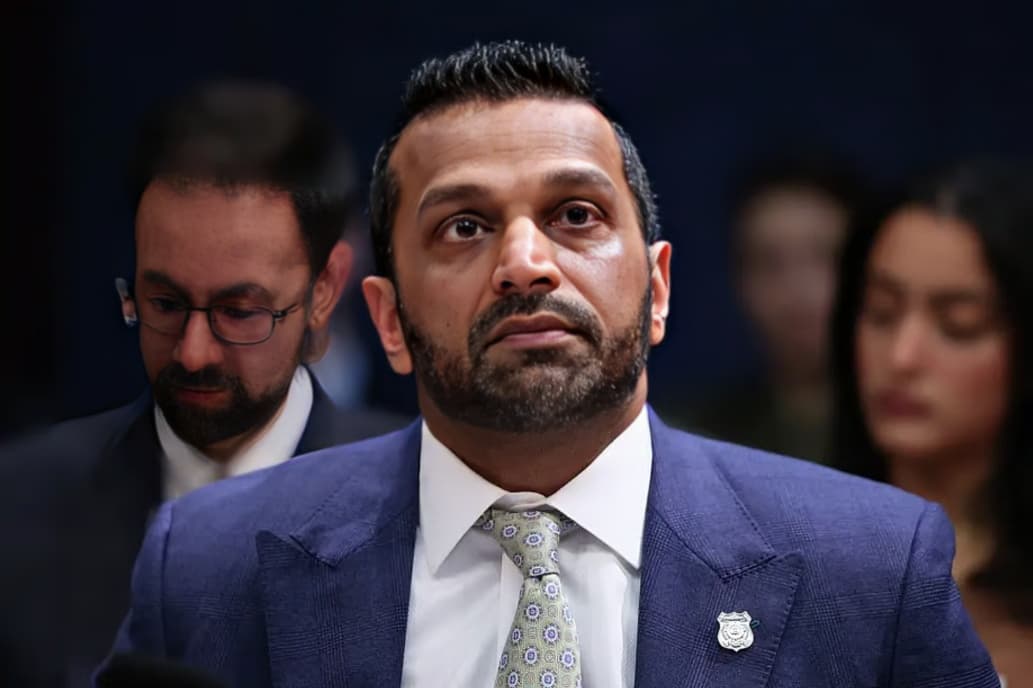
JD Vance has joined high level discussions between the United States and Iran, marking a significant moment in ongoing diplomatic efforts to address tensions between the two countries. The talks, held in Islamabad, are focused on resolving key issues that have long affected relations and regional stability.
The discussions come at a time when both countries face pressure to find a path towards de escalation. However, multiple challenges continue to complicate the process. One of the primary issues is the question of economic sanctions imposed on Iran. These sanctions have been a major point of contention, with Iran seeking relief while the United States emphasizes compliance with international agreements.
Another critical area of discussion is Iran’s missile program. Concerns over the development and deployment of missiles have been raised by the United States and its allies, making it a central topic in the negotiations. Reaching an agreement on this issue is considered essential for progress in broader diplomatic efforts.
Oil routes and energy security also play a significant role in the talks. The region is a key hub for global energy supplies, and any disruption can have far reaching consequences. Ensuring safe and stable oil transportation routes is therefore an important aspect of the negotiations.
In addition to these issues, the terms related to ongoing conflicts and regional security are being discussed. Both sides are attempting to address differences in their approaches to conflict resolution and peace building. However, achieving consensus on these matters remains a challenge.
The involvement of JD Vance highlights the importance of the talks within the United States political landscape. His participation reflects the broader interest in finding diplomatic solutions to complex international issues. The discussions are being closely watched by global observers, as their outcome could influence geopolitical dynamics.
One of the key questions surrounding the talks is whether trust can be rebuilt between the two countries. Years of tension and disagreements have created a significant trust deficit. Diplomats face the challenge of creating conditions that allow for constructive dialogue and mutual understanding.
Experts note that successful negotiations will require compromise from both sides. Confidence building measures, clear communication, and adherence to agreements are essential for making progress. Without these elements, the prospects for long term peace may remain uncertain.
The talks in Islamabad also underscore the role of international diplomacy in addressing global challenges. Engaging in dialogue, even in the face of differences, is seen as a crucial step towards reducing tensions and preventing escalation.
While the outcome of the discussions is yet to be determined, they represent an opportunity for both countries to explore potential solutions. The process itself is important, as it keeps channels of communication open and allows for continued engagement.
In conclusion, the participation of JD Vance in US Iran talks highlights ongoing efforts to address complex issues affecting international relations. Despite significant challenges, the discussions provide a platform for dialogue and potential progress. The success of these efforts will depend on the willingness of both sides to work towards common goals and rebuild trust over time.