
Silver Prices Crash Below Rs 2 Lakh Per Kg After Record High in January
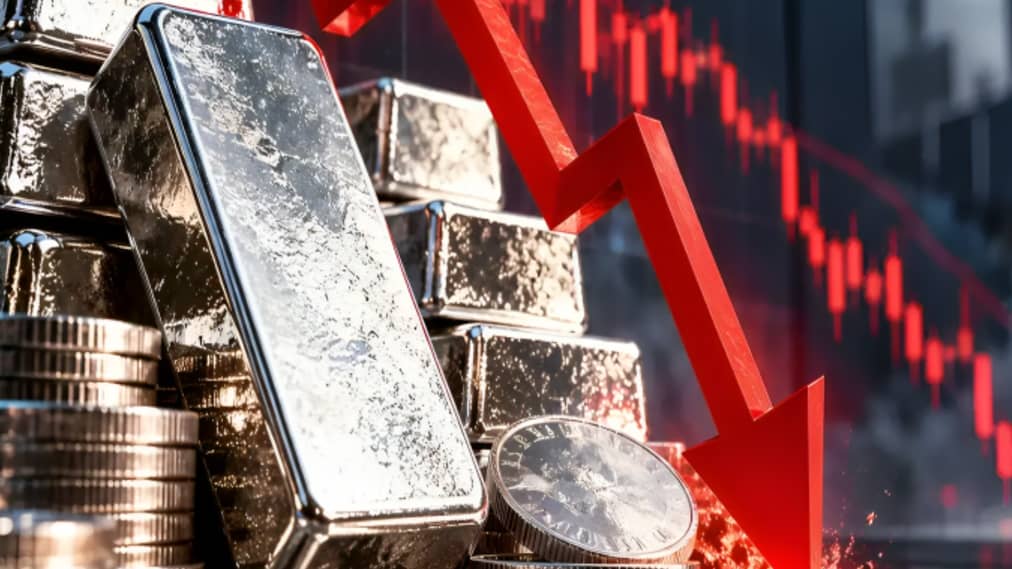
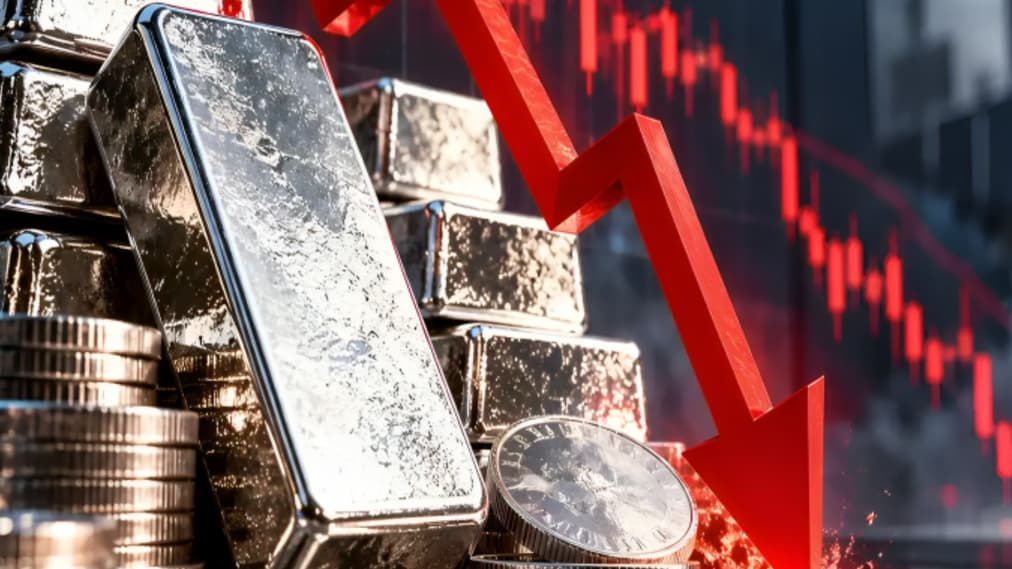
Silver prices in India have witnessed a steep correction, falling below Rs 2 lakh per kilogram after reaching record levels in January 2026. The sharp decline has drawn attention from investors, jewellery buyers and commodity market participants, as the precious metal has surrendered a substantial portion of its earlier gains.
On October 23, December silver futures on the Multi Commodity Exchange of India fell to Rs 1,92,800 per kilogram. The price was significantly below the reported record high of Rs 4,20,048 per kilogram reached on January 29, 2026. Based on these figures, silver had declined by more than 54 percent from its peak.
The correction reflects a combination of global economic concerns, changing interest rate expectations, movements in the US dollar and uncertainty surrounding industrial demand.
Silver Prices Fall Sharply From January Peak
Silver experienced a strong rally during the early part of 2026, reaching unprecedented levels in the domestic market. However, the subsequent reversal has been substantial, with prices falling below the psychologically important Rs 2 lakh per kilogram mark.
The latest decline has increased uncertainty among investors who entered the market at higher prices. At the same time, lower prices have prompted jewellery buyers and prospective investors to reassess their purchasing decisions.
However, a steep fall does not necessarily mean that prices have reached their lowest point. Commodity markets can remain volatile for extended periods, particularly when global economic conditions and financial market expectations are changing rapidly.
Investors should also distinguish between spot silver prices and futures prices. Futures contracts have specific expiry dates, and their prices may differ from the rates available for immediate physical delivery.
Rising Crude Oil Prices Add to Market Pressure
One of the key factors weighing on precious metals is the increase in crude oil prices. Rising energy costs can contribute to inflation by increasing transportation, manufacturing and other business expenses.
Recent concerns about crude oil supply and geopolitical tensions have strengthened expectations that inflation could remain elevated. This has influenced financial markets and increased uncertainty over the future direction of monetary policy.
When inflation concerns rise, investors closely monitor central bank decisions and economic indicators. These developments can affect demand for precious metals, including silver.
US Interest Rate Expectations Weigh on Silver
Expectations surrounding US Federal Reserve policy have also contributed to the pressure on silver prices.
Silver does not generate interest income. When interest rates and bond yields remain elevated, some investors may prefer assets that offer interest payments rather than holding precious metals.
A stronger US dollar can create additional pressure because silver is traded internationally in dollars. A stronger dollar can make the metal more expensive for buyers using other currencies, potentially affecting demand.
The direction of interest rates, bond yields and the dollar will therefore remain important factors for silver prices in the coming weeks.
Industrial Demand Remains an Important Factor
Unlike gold, silver has significant industrial applications in addition to its role as an investment asset.
The metal is used in solar panels, electronics, electrical equipment and several other industrial applications. Changes in manufacturing activity and demand from these industries can influence silver prices.
Concerns about industrial demand, particularly in sectors connected with solar manufacturing and technology, have added to the uncertainty surrounding the metal.
At the same time, the continued development of renewable energy, electrification and electronic technologies could support demand over the longer term. However, future prices will depend on the balance between industrial consumption, investment demand and available supply.
India's Silver Market Faces Additional Factors
Domestic silver prices are influenced by international market rates, the rupee's exchange rate against the US dollar, import duties, transportation costs and local supply conditions.
India imports a substantial share of the silver it consumes. Consequently, changes in global prices and currency movements can have a significant effect on domestic rates.
Reuters reported on October 22, 2026, that India had issued permits for approximately 6,500 metric tonnes of silver imports over the following six months. The additional import allocation could help ease domestic supply constraints and reduce local price premiums, although the eventual impact will depend on actual imports and market demand.
The development comes at a time when jewellery demand and investment interest have reportedly remained subdued amid the sharp price correction.
What Should Investors Watch Next?
Silver prices may remain volatile as traders assess crude oil prices, inflation data, US monetary policy expectations, currency movements and industrial demand.
A decline in interest rate expectations or renewed investment demand could provide support to prices. Conversely, persistent inflation concerns, elevated borrowing costs or weaker industrial demand could create further pressure.
The recent decline may attract investors who believe silver has long-term potential. However, the size of the correction alone does not establish that the metal is undervalued or that a recovery is imminent.
Investors should consider their financial goals, risk tolerance and investment horizon before making decisions. Silver can experience substantial price swings, and losses are possible even after a major decline.
Conclusion
Silver prices in India have fallen below Rs 2 lakh per kilogram following a record rally earlier in 2026. The correction has been influenced by global economic uncertainty, rising crude oil prices, interest rate expectations and concerns about industrial demand.
Market participants will continue to monitor international prices, the US dollar, monetary policy developments and domestic supply conditions. The direction of silver prices will depend on how these factors evolve in the coming weeks and months.
This article is for informational purposes only and does not constitute investment advice. Readers should consult a qualified financial adviser before making investment decisions.


