
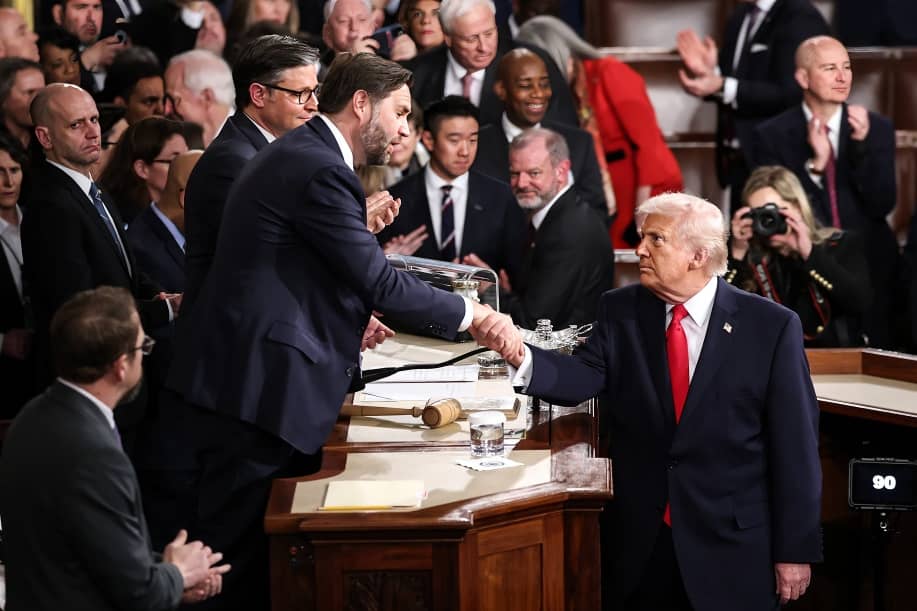
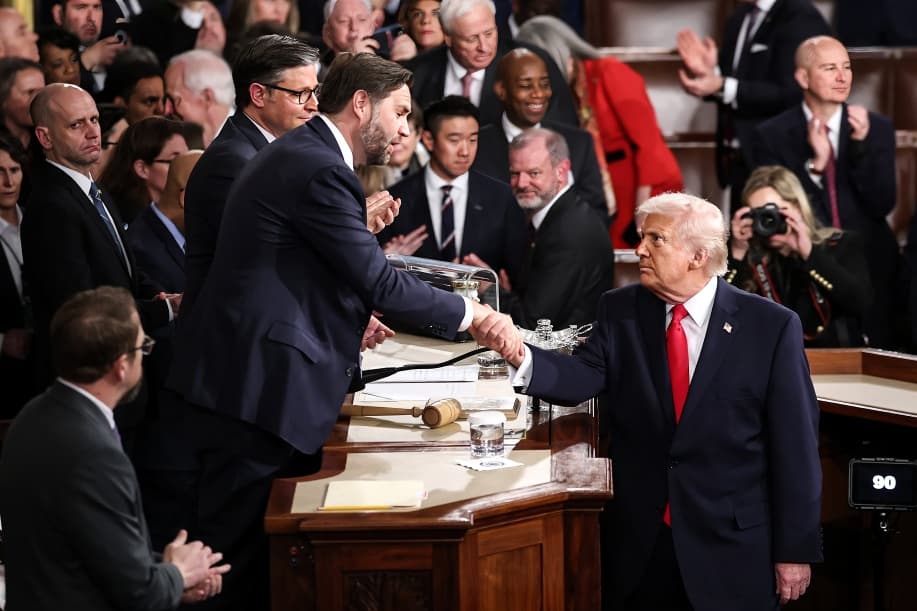
In his 2026 State of the Union address, United States President Donald Trump outlined a range of policy priorities, among them a new legislative proposal he called “Dalilah’s Law.” The initiative seeks to bar states from issuing Commercial Driver’s Licences (CDLs) to individuals who are not legally present in the country, a move the President said was aimed at enhancing road safety and strengthening immigration enforcement.
The proposal takes its name from Dalilah Coleman, a young child who was critically injured in a truck accident involving a driver who was later identified as undocumented. President Trump highlighted Dalilah’s experience during the address, saying lawmakers should act to prevent similar tragedies.
“Many, if not most, illegal aliens do not speak English and cannot read even the most basic road signs,” the President said during his speech. “That’s why tonight, I’m calling on Congress to pass what we will call the ‘Dalilah Law’ — barring any state from granting Commercial Driver’s Licences to illegal aliens.” Transcript excerpts of the address were later made available on the White House official website and in multiple media reports.
Under existing federal guidelines, states set their own requirements for issuing CDLs, which are necessary for driving large commercial vehicles such as tractor‑trailers and buses. Most states require proof of identity and residency, but the specifics of documentation and eligibility vary, including provisions in some states that allow undocumented immigrants to obtain driver’s licences under certain conditions.
Supporters of the Dalilah’s Law proposal argue that commercial driving involves significant responsibility and public safety risks, given that CDL holders operate heavy vehicles on highways and in urban regions. Proponents contend that requiring legal immigration status as a condition of licensure would ensure that drivers have verifiable credentials, pass necessary language and safety tests, and are accountable under immigration laws.
However, the proposal has drawn criticism from civil rights organisations, immigrant advocates and some lawmakers who argue that linking licensing eligibility to immigration status could have broad consequences. Critics point out that commercial truck driving is a key industry in the US economy, with many employers relying on immigrant labour to fill driver shortages. They also warn that restricting access to licences could create barriers to legitimate employment and livelihood for individuals living and working in the country without documentation.
Some civil liberties groups have expressed concern that the proposed law could lead to increased discrimination and unreliable enforcement at the state level. They argue that comprehensive immigration reform, rather than targeted licencing restrictions, is the appropriate framework for addressing issues of legality and public safety.
Congress face the challenge of debating the merits and implications of the Dalilah’s Law proposal in the coming legislative session. The White House has signalled its intent to work with Republican lawmakers to advance the measure, while Democratic leaders have called for broader discussions on immigration policy adjustments that balance enforcement with protections for vulnerable communities.
The debate over the proposal highlights ongoing national conversations about immigration enforcement, public safety and economic impact. As lawmakers consider the next steps, the issue of commercial driver licencing and eligibility requirements remains a focal point within larger discussions on immigration reform and regulatory policy in the United States.


