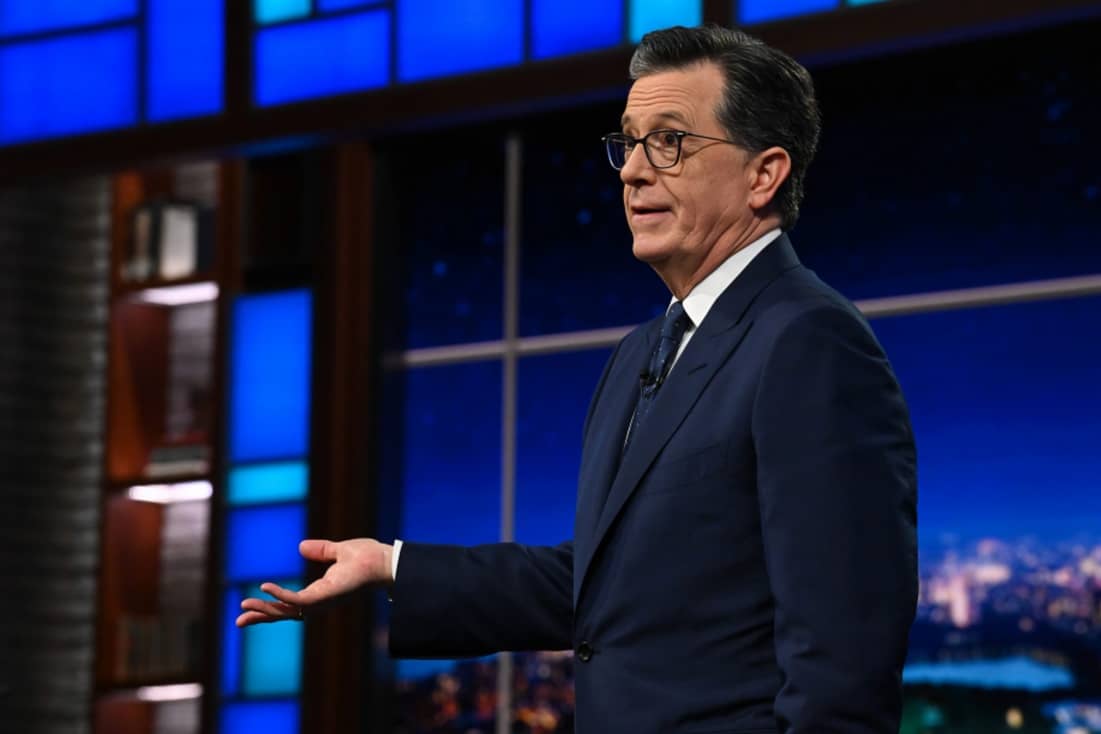
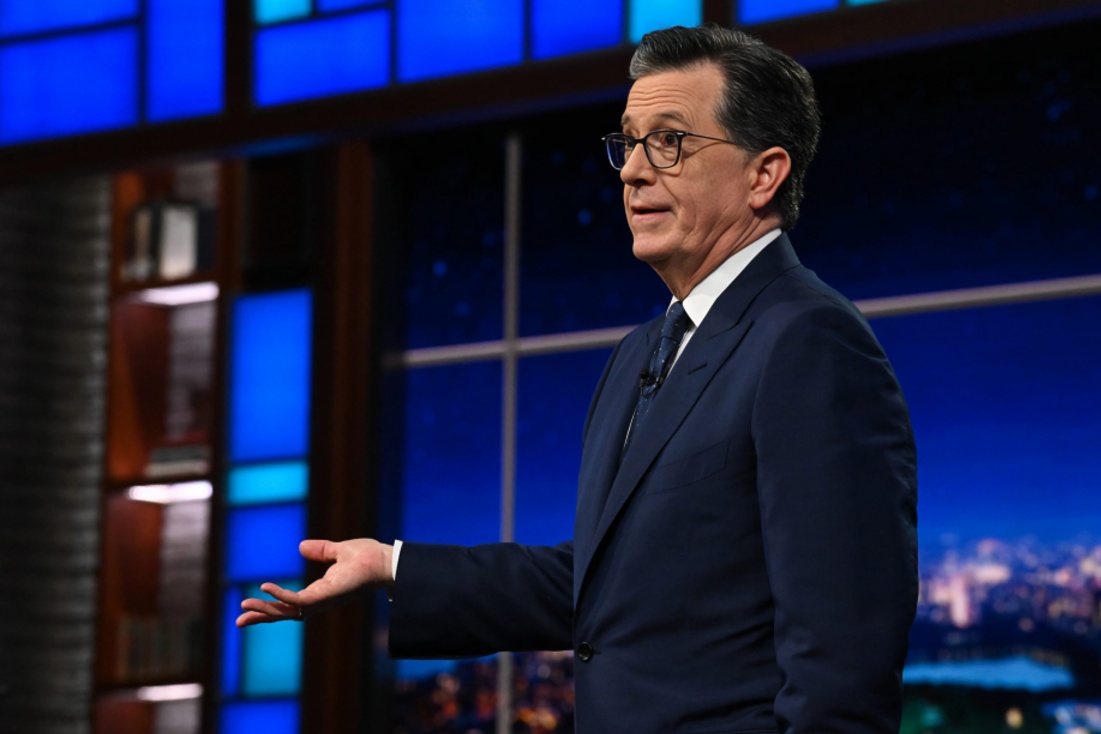
The final episode of The Late Show with Stephen Colbert recorded strong television ratings, attracting approximately 6.74 million viewers and significantly surpassing the program’s regular season average. The finale became one of the most discussed entertainment and political media moments after host Stephen Colbert delivered commentary related to former United States President Donald Trump.
According to media reports, the final broadcast generated widespread attention across television audiences and social media platforms. Analysts noted that the combination of Colbert’s farewell appearance, political satire and online reactions contributed to the unusually high viewership numbers.
Stephen Colbert has remained one of the most recognizable late night television hosts in the United States for several years. His program frequently combined political commentary, interviews and comedy sketches, often focusing on American politics and public affairs.
During the final episode, Colbert reportedly included satirical remarks aimed at Donald Trump, continuing a pattern that had become familiar throughout his tenure as a late night host. The comments quickly gained traction online, leading to reactions from supporters and critics across political and entertainment circles.
Reports also indicated that AI generated video content connected to the exchange later circulated online, further increasing public discussion surrounding the finale. The growing use of artificial intelligence generated media in political and entertainment debates has become a major topic globally, especially regarding authenticity, misinformation and digital manipulation.
Media experts noted that the interaction highlighted how entertainment programming and political commentary have become increasingly interconnected in modern digital culture. Late night television programs in the United States often influence broader political conversations because of their large online reach and viral content.
Television analysts observed that farewell episodes of long running programs frequently attract higher than usual ratings due to audience nostalgia and public curiosity. However, the ratings achieved by Colbert’s final episode were considered particularly strong in comparison to average late night television performance in recent years.
The discussion surrounding the finale also reflected the continued political polarization in American public discourse. Reactions online varied widely, with some viewers praising Colbert’s comedic approach while others criticized the political tone of the program.
Artificial intelligence generated videos and edited content have increasingly become part of public communication and online political culture. Experts have repeatedly warned that AI generated media can influence public perception and spread rapidly through social media platforms.
Entertainment industry observers believe the strong ratings demonstrate the lasting influence of late night television personalities despite changing audience habits and growing competition from digital streaming platforms and online creators.
Stephen Colbert’s tenure on late night television earned recognition for blending satire, interviews and current affairs commentary. Over the years, the program featured appearances from politicians, actors, musicians and public figures from various fields.
The finale also triggered conversations about the future of late night television programming and how traditional broadcast entertainment continues adapting to digital era audiences. Analysts suggest that political humor and viral online engagement remain important drivers of audience interest in such formats.
Meanwhile, discussions surrounding AI generated political and entertainment content are expected to continue as technology becomes more advanced and widely accessible. Regulators, media experts and technology companies worldwide are increasingly examining how AI generated material should be identified and managed.
The strong response to the final episode once again highlighted the influence of entertainment media on political conversations and the growing role of digital technology in shaping modern public discourse.