

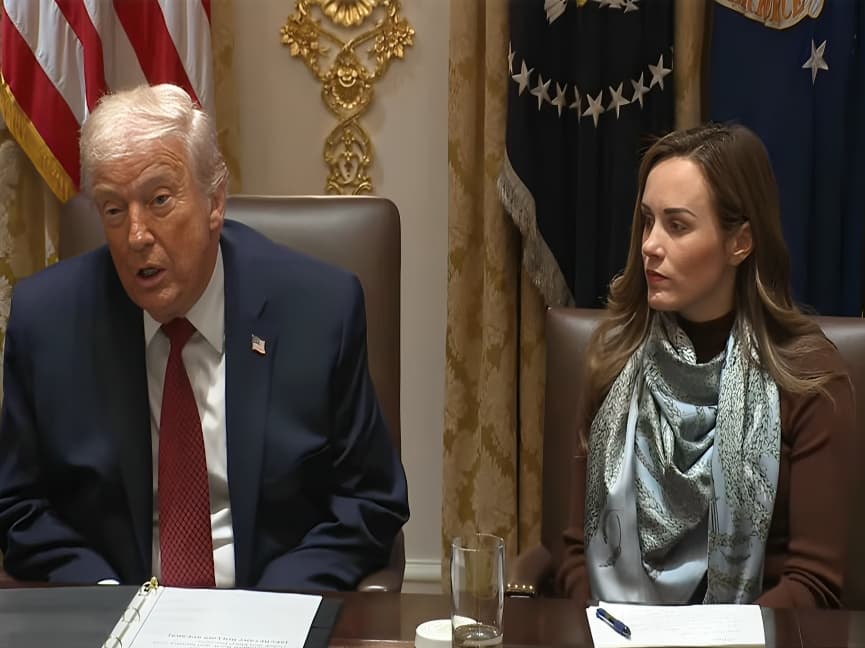
US President Donald Trump has announced a $12 billion farm aid package designed to support American farmers struggling with low crop prices and ongoing trade tensions. The program, announced from the White House, comes amid escalating trade disputes and the threat of new tariffs on agricultural products, which have significantly impacted farm revenues in recent years.
The aid package is aimed at stabilizing farm incomes across the country, particularly for producers of corn, soybeans, wheat, and dairy products. Farmers will receive direct payments based on production volumes, acreage, and market losses incurred due to trade disputes with major importing countries. The program also includes provisions for loan assistance, price support measures, and risk management tools to help farmers navigate volatile market conditions.
Officials emphasized that the package is part of a broader strategy to ensure the US agricultural sector remains competitive globally. By providing immediate relief and long-term support, the government hopes to mitigate the financial impact of tariffs and declining commodity prices on rural economies. Farmers in states heavily dependent on crop exports, such as Iowa, Illinois, and Nebraska, are expected to benefit the most from the aid.
The announcement comes amid growing tensions over US trade policies. Recent tariff threats and retaliatory measures by trading partners have reduced demand for key US crops, prompting the administration to step in with financial support. The aid package also reflects ongoing efforts to balance domestic agricultural stability with broader geopolitical negotiations.
While the $12 billion package is aimed at providing relief, some analysts caution that long-term solutions require structural reforms, diversification of markets, and investment in agricultural technology. Critics have also highlighted the need for transparent and efficient distribution of funds to ensure that small and mid-sized farmers receive equitable support alongside larger agribusinesses.
In addition to financial aid, the program includes advisory support for farmers to explore new markets, implement sustainable farming practices, and adopt modern agricultural technologies. The administration expects these measures to boost productivity, enhance resilience against market shocks, and maintain the US’s leadership position in global agriculture.
The rollout of the farm aid package is scheduled in phases, with the first round of payments expected within the next quarter. State agricultural offices will coordinate with federal agencies to ensure timely disbursement and address logistical challenges. Farmers are encouraged to submit relevant documentation to qualify for the aid, including proof of losses and production records.


