
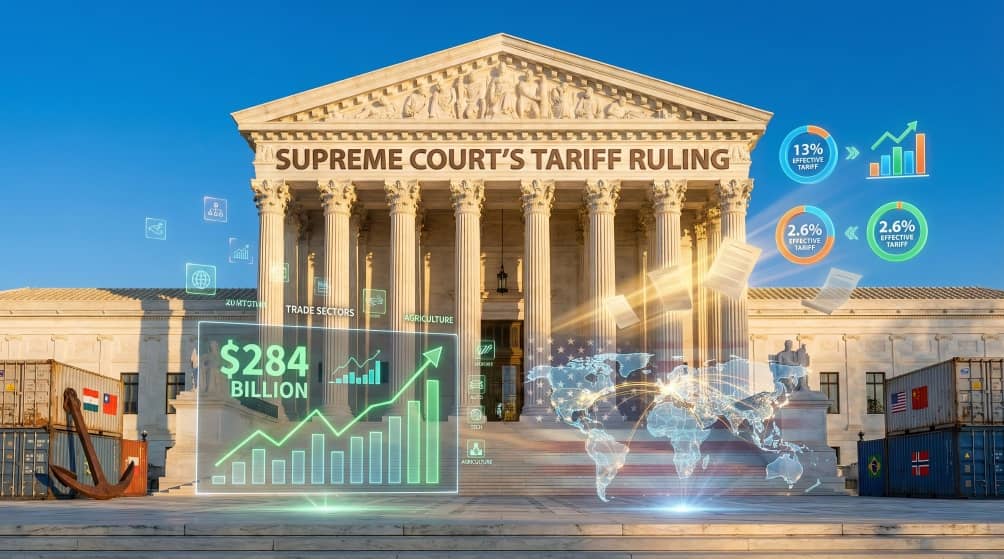
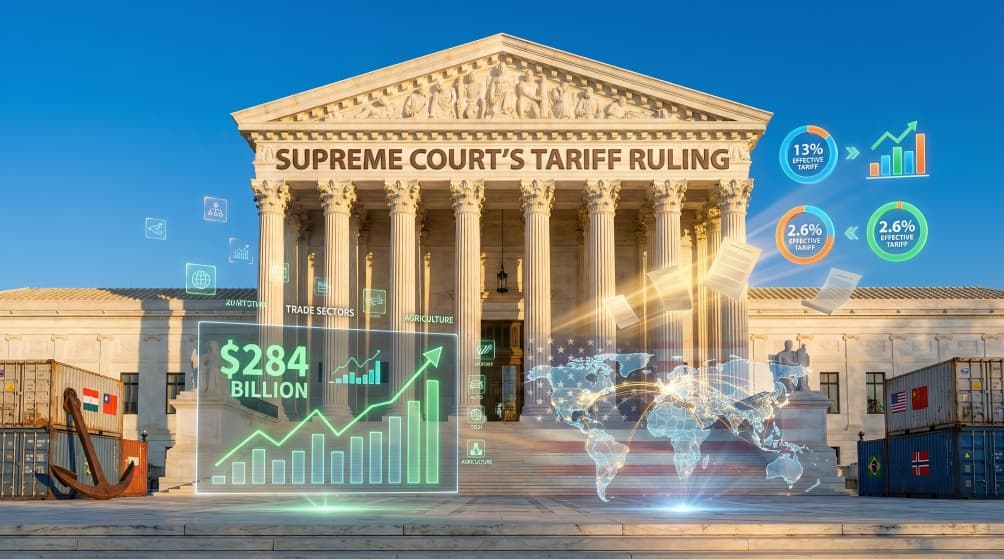
Following the US Supreme Court’s recent ruling invalidating a significant portion of his prior global tariffs, Donald Trump is moving forward with plans for a new set of national security tariffs. While the court struck down previous duties, the administration is relying on Section 232 of the Trade Expansion Act of 1962 to justify potential new levies on imported goods. This section allows the president to impose tariffs if imports are deemed to threaten national security, providing a legal foundation distinct from the rulings that overturned earlier measures.
According to Bloomberg, the administration is exploring tariffs on key sectors including batteries, cast iron, iron fittings, and electrical grid equipment, among others. These industries are considered critical to US infrastructure and defense capabilities, highlighting the national security rationale behind the potential duties. In addition to Section 232, the administration is examining the use of Section 301 investigations to address what it claims are unfair trade practices by major US trading partners. This approach allows the government to impose tariffs in response to perceived economic disadvantages or violations of trade agreements.
The president has announced that a 10 per cent levy will take effect from Tuesday morning, with a planned duration of five months. During this period, the administration intends to develop alternative tariff structures to replace the duties struck down by the Supreme Court. The new measures aim to maintain pressure on foreign producers while minimizing potential disruption to the US economy.
Experts note that while Section 232 provides a strong legal footing for national security tariffs, markets remain cautious about the broader economic impact. Concerns include potential supply chain disruptions, rising costs for US manufacturers, and retaliatory actions from trading partners. Analysts also highlight that prolonged uncertainty over tariff policies can affect investor sentiment and trade negotiations globally.
Political observers view Trump’s move as part of a broader strategy to assert US economic interests while addressing national security concerns. The new tariffs are expected to be carefully targeted to minimize disruption to domestic industries while signaling a firm stance on global trade practices. The administration has emphasized that the measures are designed to ensure critical infrastructure sectors remain resilient and that US strategic interests are protected.
Trade groups, industry associations, and international partners are closely monitoring developments. Some have raised concerns about the potential for escalation and the risk of retaliation, while others see an opportunity to negotiate exemptions or adjustments. The next few months will be critical in determining the impact of these measures on global trade flows, industrial supply chains, and US domestic manufacturing.


