
Fresh reports from international media have drawn attention to developments surrounding the ongoing tensions involving the United States, Iran and Israel. According to these reports, United States President Donald Trump decided not to proceed with a proposed military strike against Iran and instead explored options aimed at reducing hostilities through diplomatic engagement and a possible ceasefire arrangement.
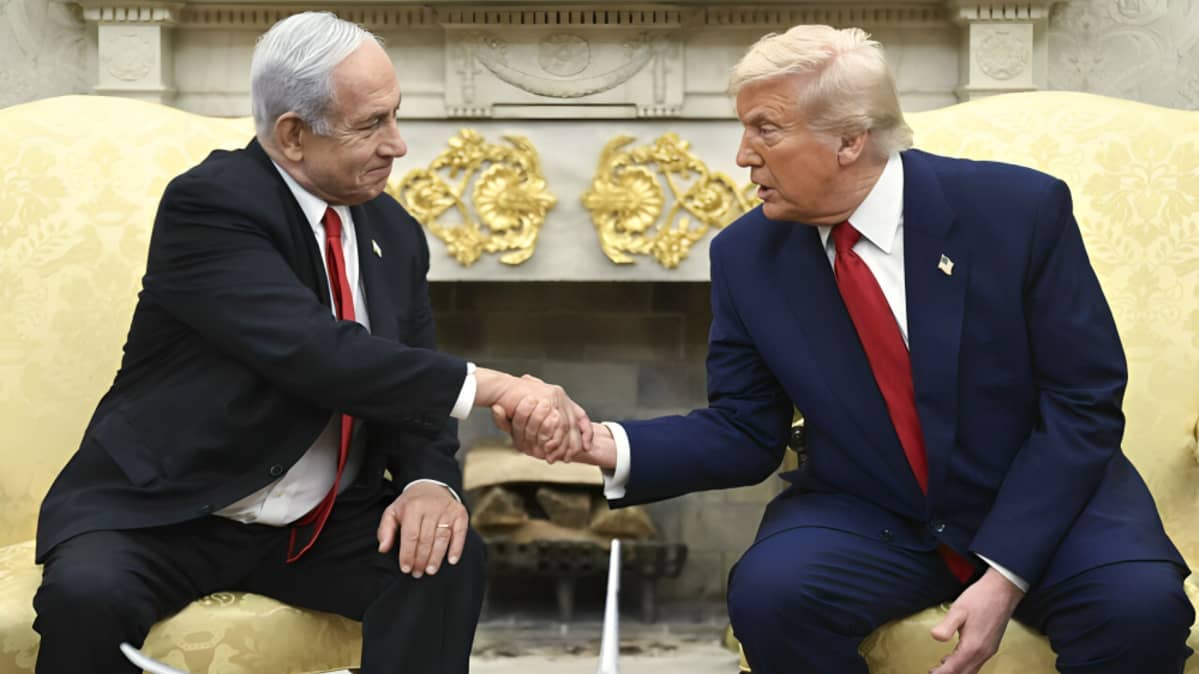
The reported decision has generated discussion among political observers and foreign policy experts, particularly regarding its implications for regional security and relations between the United States and Israel. Some reports have suggested that Israeli Prime Minister Benjamin Netanyahu was not fully aware of the timing or details of the shift in American strategy, leading to speculation about differences in the approaches adopted by the two allies.
The United States and Israel have traditionally maintained close strategic and security cooperation, particularly on issues related to the Middle East. However, international relations experts note that even close allies can hold differing views regarding military operations, diplomatic negotiations and long term conflict management.
According to reports, the change in strategy came amid growing concerns about the wider consequences of escalating military action in the region. Analysts have pointed out that a direct military confrontation could have significant implications for regional stability, international trade routes and global energy markets.
The decision to pursue diplomatic engagement rather than military escalation has been viewed by some observers as an effort to reduce tensions and prevent further instability. Others have argued that negotiations and ceasefire efforts can provide an opportunity for all parties involved to seek a peaceful resolution to ongoing disputes.
At the same time, discussions continue regarding the security concerns faced by countries in the region. Governments involved in the conflict have repeatedly emphasized their commitment to protecting national interests and ensuring the safety of their citizens. As a result, diplomatic initiatives remain closely linked to broader security considerations.
Political analysts have also highlighted the importance of communication and coordination among allies during periods of international crisis. Differences in policy priorities or strategic assessments can occasionally emerge, particularly when decisions involve complex military and diplomatic calculations.
Neither the White House nor the office of the Israeli Prime Minister has publicly confirmed all aspects of the reports concerning internal discussions or consultations between the two leaders. As such, several claims remain based on media reports and political commentary rather than official statements.
International attention remains focused on efforts to prevent further escalation in the Middle East. Governments, diplomatic organizations and global institutions have repeatedly called for restraint and encouraged dialogue as a means of addressing ongoing tensions.
The situation continues to evolve, and policymakers around the world are monitoring developments closely. Any significant change in the security environment could have broader implications for international relations, economic stability and regional cooperation.
Experts believe that future developments will depend on diplomatic negotiations, security assessments and the willingness of the involved parties to engage in dialogue. While reports of policy differences have attracted attention, official positions from the respective governments will likely provide greater clarity regarding the direction of future actions.
For now, the focus remains on diplomatic efforts and attempts to reduce tensions, with many countries expressing hope that dialogue and negotiation can help prevent further conflict and contribute to long term regional stability.