
US President Donald Trump has stated that Iran could use unfrozen financial assets to purchase agricultural products from the United States, suggesting that the country may become a future market for American farmers. The remarks were made during comments on US policy toward Iran and ongoing discussions related to economic measures.
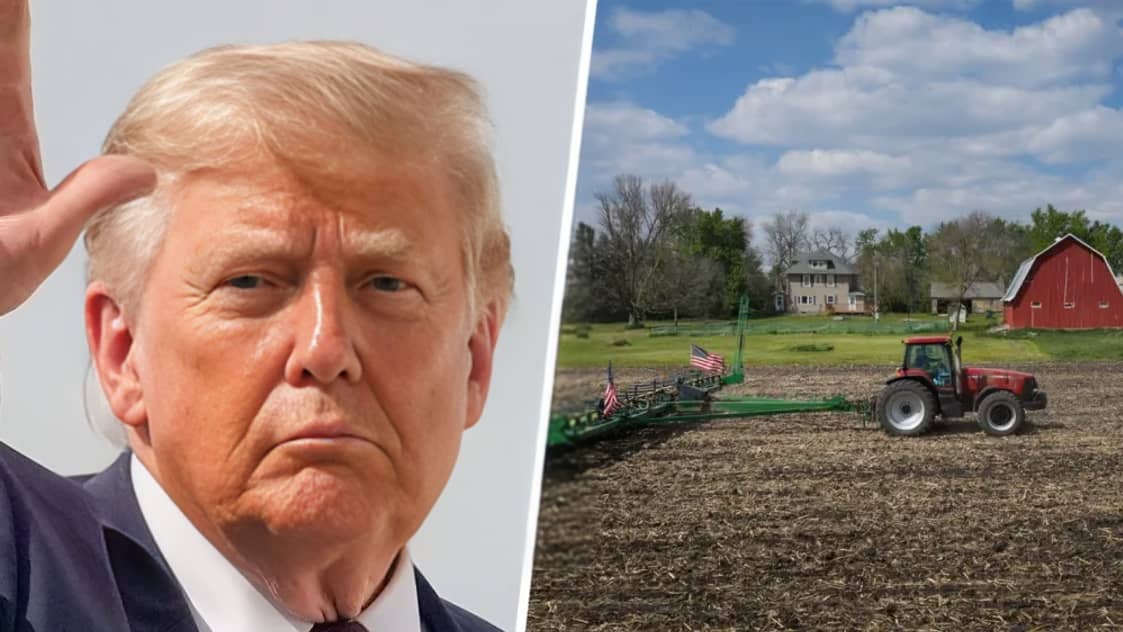
Speaking to reporters, Trump claimed that Iran is experiencing difficulties related to food supplies and said that access to previously frozen funds could enable the country to import agricultural products from the United States. He presented the idea as a potential opportunity for American farmers and agricultural exporters.
The comments come amid continued international attention on economic relations between the United States and Iran. Over the years, financial sanctions, restrictions on international transactions, and diplomatic developments have influenced trade and economic cooperation between the two countries.
Trump did not announce any new trade agreement or formal policy that would immediately allow such transactions. Instead, his remarks were presented as part of a broader discussion about future economic possibilities if financial conditions and diplomatic circumstances permit.
As of the time of publication, Iranian authorities have not issued an official response to Trump's comments regarding food supplies or the proposed use of unfrozen assets. No bilateral agreement concerning agricultural purchases has been publicly announced by either government.
Agricultural exports have historically been one of the sectors where limited trade has occasionally continued under specific regulatory frameworks, even during periods of broader economic sanctions. However, such transactions are generally subject to domestic laws, international regulations, and applicable sanctions policies.
Economic analysts note that any significant expansion of agricultural trade between the United States and Iran would depend on several factors, including government approvals, financial regulations, international sanctions, and diplomatic negotiations. They also emphasize that changes in trade policy typically require formal announcements and legal implementation before commercial activity can proceed.
The broader relationship between Washington and Tehran continues to involve discussions on regional security, economic sanctions, diplomatic engagement, and humanitarian issues. Developments in these areas often influence decisions related to trade and financial transactions between the two countries.
Officials from both governments are expected to continue addressing issues related to economic policy through diplomatic and regulatory channels. Any future decisions regarding the release of financial assets or agricultural trade would likely be communicated through official government announcements.