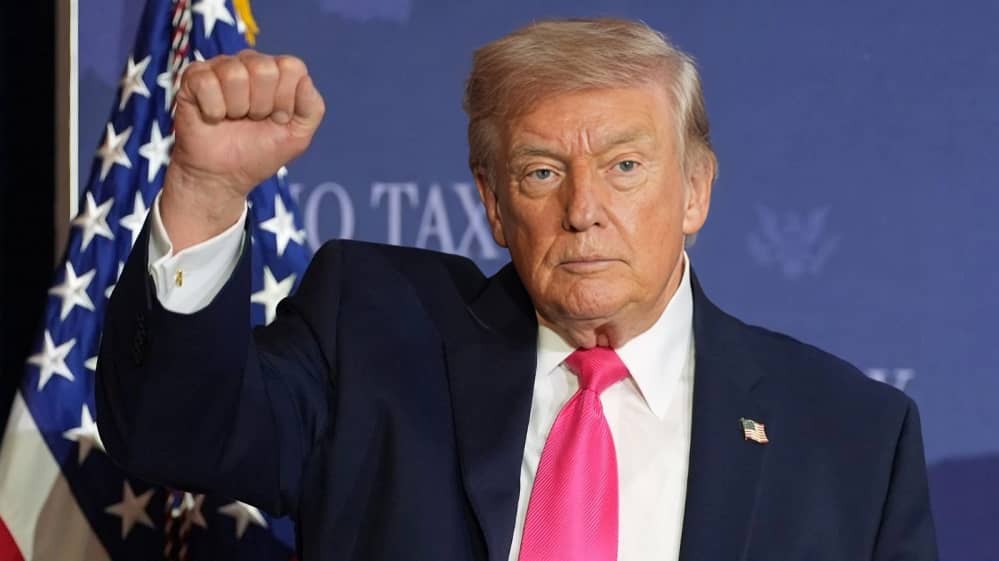
Recent developments indicate that public statements and social media posts by Donald Trump may have influenced the course of ongoing diplomatic discussions between the United States and Iran. According to reports, these remarks have introduced complications in negotiations that were already sensitive and complex.
Diplomatic talks between the United States and Iran have historically involved multiple layers of discussion, often addressing issues such as nuclear policy, economic sanctions and regional security. Progress in such negotiations typically requires careful communication and coordination between both sides. In this context, public statements can have a significant impact on the tone and direction of discussions.
Reports suggest that recent comments by Donald Trump, including those shared through social media and interviews, may have created confusion regarding the status of negotiations. Some statements indicated that Iran had shown willingness to meet certain US demands. However, Iranian officials have strongly denied these claims, stating that no such agreement has been reached.
The response from Tehran highlights the challenges involved in diplomatic engagement, where differing narratives can complicate efforts to reach consensus. Iranian representatives have emphasized that negotiations must be conducted through official channels and that any conclusions should be based on verified discussions rather than public statements.
Experts note that diplomacy often requires discretion and controlled communication. Public remarks, especially those made outside formal negotiation frameworks, can influence perceptions and lead to misunderstandings. In some cases, they may also affect the willingness of parties to continue discussions.
The situation underscores the importance of maintaining consistent and coordinated messaging during international negotiations. Differences between official positions and public statements can create uncertainty, making it more difficult to achieve progress. This is particularly relevant in discussions involving sensitive geopolitical issues.
The broader context of US Iran relations adds another layer of complexity. The two countries have had a history of strained relations, with periods of negotiation followed by setbacks. Efforts to reach agreements have often been influenced by domestic political considerations as well as international developments.
Analysts believe that while public statements can draw attention to ongoing talks, they can also introduce risks if not aligned with diplomatic strategies. Maintaining trust between negotiating parties is essential, and any perceived inconsistency can impact that trust.
Despite the reported challenges, diplomatic efforts are expected to continue, with both sides likely to focus on resolving key issues through established channels. International observers are closely monitoring the situation, as developments in US Iran relations can have broader implications for regional and global stability.
Officials from both countries have reiterated the importance of dialogue and the need to address differences through negotiation. However, the current situation highlights how external factors, including public communication, can influence the pace and outcome of such efforts.
As discussions move forward, the emphasis is likely to remain on clarity and coordination in communication. Ensuring that official positions are clearly conveyed and understood by all parties will be critical in advancing negotiations.
Overall, the reported impact of social media remarks on US Iran talks reflects the evolving nature of diplomacy in the modern era. With information spreading rapidly through digital platforms, managing communication has become an integral part of international relations.