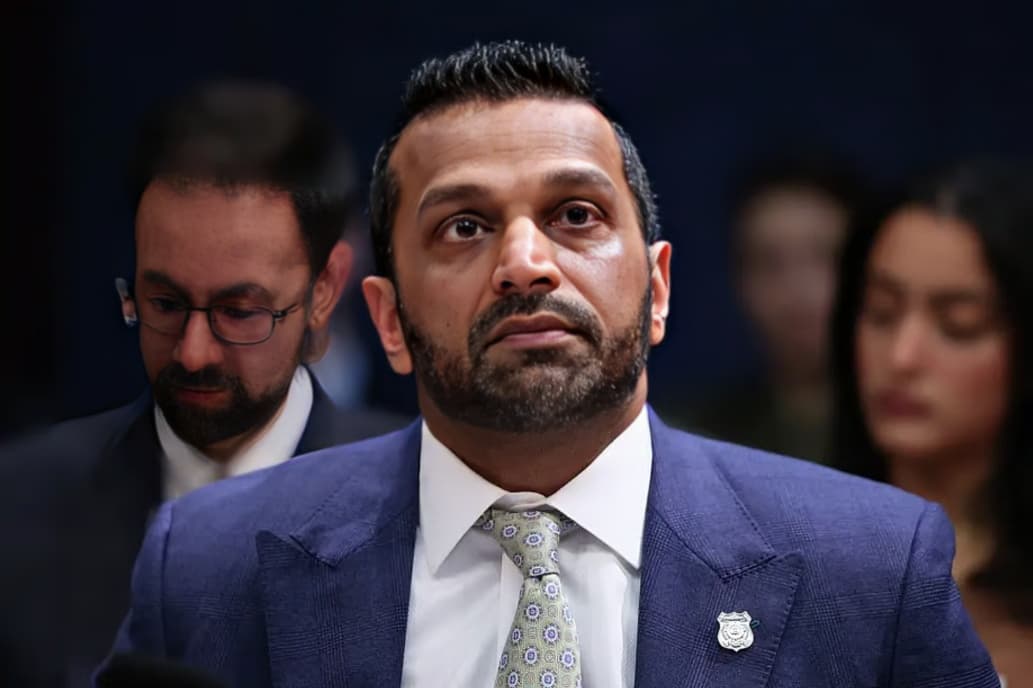
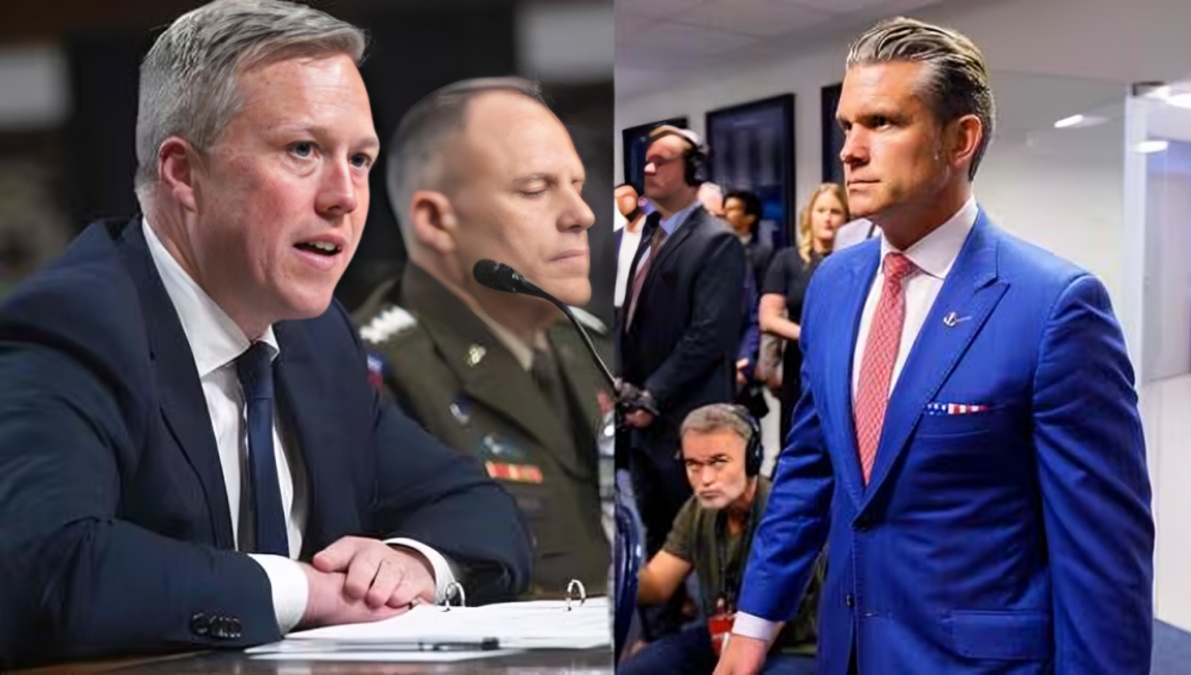
US Army Secretary Dan Driscoll has submitted his resignation to President Donald Trump after serving as the Army’s top civilian leader for about 18 months.
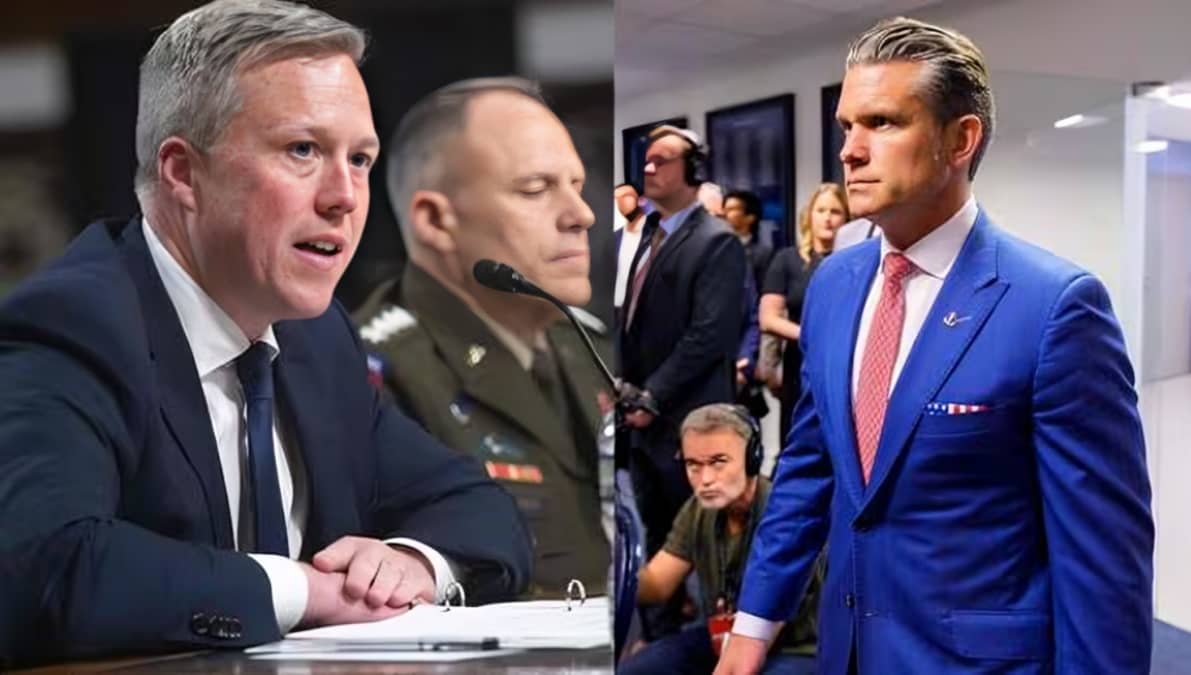
The White House confirmed Driscoll’s departure while praising his work during his tenure. However, officials did not initially give a specific public reason for the resignation. Reports from multiple US media organisations have linked the decision to months of tensions between Driscoll and Defense Secretary Pete Hegseth.
Driscoll became Secretary of the Army after being confirmed by the US Senate in February 2025. During his tenure, he focused on modernising the Army, improving military readiness and expanding the use of new technologies.
His responsibilities also included overseeing the Army during a period of significant changes in US military policy and operations. His tenure coincided with the administration’s efforts to strengthen the military’s ability to respond to emerging threats, particularly the growing use of drones and other relatively low-cost technologies in modern warfare.
The resignation comes at a particularly important time for the US Army because American forces remain involved in military operations connected to the ongoing conflict with Iran. The Army has been involved in defending against missile and drone threats and supporting wider US military operations in the region.
Reports have described Driscoll’s relationship with Hegseth as increasingly strained. The two officials reportedly disagreed over several issues involving Army leadership, personnel decisions and the direction of military modernisation.
One major point of tension involved the removal of General Randy George as Army Chief of Staff. George had worked closely with Driscoll on modernisation initiatives, including efforts to expand the Army’s capabilities involving drones and unmanned systems.
Driscoll had also promoted an Army Transformation Initiative aimed at making the service more adaptable and technologically advanced. The programme focused on areas including unmanned systems, faster weapons acquisition and closer cooperation with technology companies.
The Army has been under pressure to adapt to lessons emerging from recent conflicts, particularly the extensive use of drones in the Russia Ukraine war. Modern militaries have increasingly recognised that relatively inexpensive unmanned systems can pose serious challenges to conventional forces.
Driscoll supported efforts to improve the Army’s ability to develop and deploy such technologies. His approach included encouraging greater participation from private companies and technology firms in defence procurement.
The changes within the Army have taken place alongside broader personnel changes at the Pentagon. Several senior military officials have departed or been removed during the Trump administration.
Driscoll’s resignation therefore represents another significant change in the senior leadership of the US military. The development is being closely watched because the Army is simultaneously dealing with operational demands, modernisation efforts and internal leadership changes.
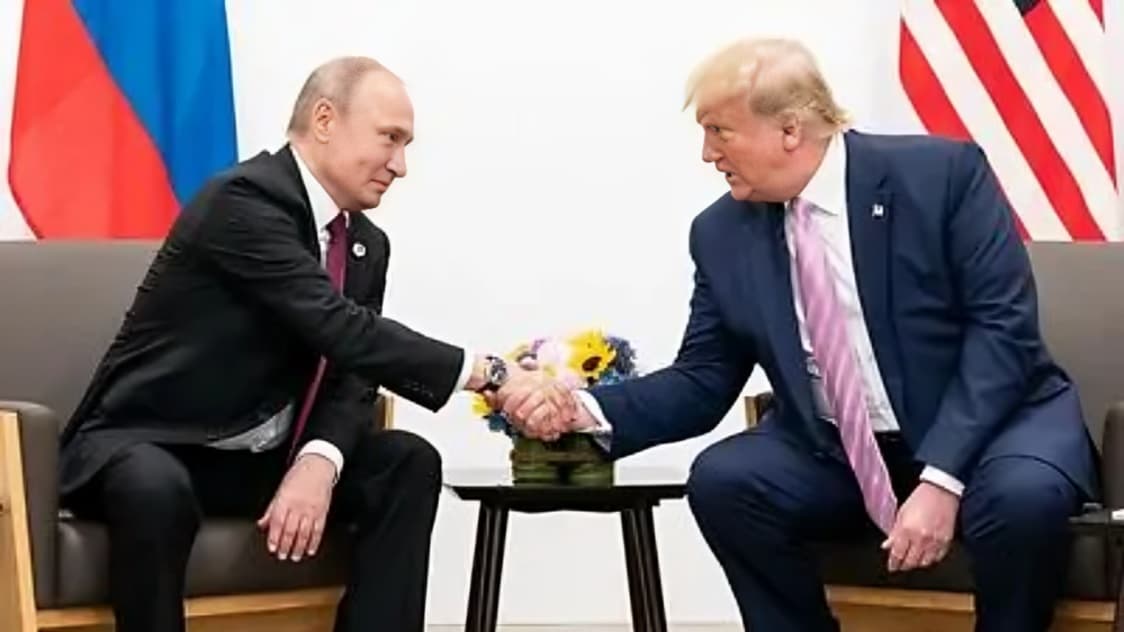
The White House has publicly praised Driscoll’s performance. White House spokesperson Anna Kelly said he had been effective in advancing President Trump’s agenda, strengthening military readiness and supporting diplomatic efforts involving Russia and Ukraine.
The White House statement did not publicly attribute Driscoll’s departure to a dispute with Hegseth. The reports about tensions between the two officials come from officials and media accounts familiar with developments inside the Pentagon.
Driscoll’s resignation is also notable because of his relationship with Vice President JD Vance. The two have known each other since their time at Yale Law School, and Driscoll previously served as an adviser to Vance.
Before entering government, Driscoll served in the US Army and was an Iraq War veteran. He later worked in venture capital and private equity before being selected to lead the Army during Trump’s second administration.
During his time as Army secretary, Driscoll also participated in diplomatic efforts related to the Russia Ukraine conflict. His responsibilities therefore extended beyond traditional administrative duties and included involvement in broader national security initiatives.
The timing of his resignation has increased attention on the stability of the Pentagon’s leadership structure. The US military is simultaneously managing international conflicts, defence modernisation and changes to its senior command structure.
Following Driscoll’s departure, Undersecretary of the Army Michael Obadal is expected to serve as acting secretary if the resignation is formally accepted. The Army’s military leadership has also been undergoing changes, with General Christopher LaNeve serving as acting chief of staff following the departure of General Randy George.
The absence of a permanent civilian Army secretary would create a leadership transition at a time when the service is facing major operational and strategic challenges.
The Iran conflict is one of the most significant factors affecting the current US military environment. American forces have been involved in operations in the Middle East, while the Army has faced threats involving ballistic missiles, drones and other weapons.
The conflict has also placed additional demands on US military resources and logistics. Senior civilian and military leaders are responsible for ensuring that American forces remain prepared while managing personnel, equipment and operational requirements.
Driscoll’s resignation therefore comes at a sensitive moment for the Army. However, the specific reasons behind his decision should not be overstated. The White House has not publicly stated that the resignation was caused by the Iran war or by disagreements with Hegseth.
Instead, publicly available reporting points to a combination of leadership tensions and broader changes within the Pentagon. Reuters and other outlets reported that Driscoll had submitted his resignation following ongoing tensions with Hegseth.
The resignation also follows other high-level departures in the US military establishment. Navy Secretary John Phelan left his position earlier in 2026, while several senior military officers have also retired or been removed.
These personnel changes have prompted wider discussion about the direction of the Pentagon under the Trump administration. Supporters of the administration have argued that the changes are intended to improve military effectiveness and advance the president’s defence priorities.
Critics, however, have raised concerns about the pace of leadership changes and their potential effect on institutional continuity.
Driscoll himself had previously been viewed as an important figure in the administration’s military modernisation efforts. His emphasis on technology, drones and alternative approaches to defence procurement made him a prominent voice in discussions about the future of the Army.
His departure could therefore affect the pace and direction of some of those initiatives, depending on the policies adopted by his successor.
The Army Transformation Initiative and related technology programmes were designed to make the service more flexible and responsive to changing battlefield conditions. Questions about the future of these programmes are likely to receive attention during the leadership transition.
For now, the immediate issue is the appointment of a new permanent Secretary of the Army. The White House and Pentagon will ultimately determine how the position is filled and whether the administration maintains the current focus on Army modernisation.
Driscoll’s resignation also highlights the importance of civilian leadership within the US military. The Secretary of the Army is responsible for the administrative and civilian oversight of the Army, while the Chief of Staff leads the military side of the service.
Stable leadership at both levels is important for long-term planning, budgeting, procurement and military readiness.
The current transition comes while the US Army faces multiple challenges, including emerging drone technologies, changing warfare tactics, global military commitments and the continuing Iran conflict.
The coming months will therefore be important for determining how the Army manages the leadership transition and whether its existing modernisation programmes continue.
For now, Dan Driscoll has submitted his resignation to President Trump, ending his tenure as the Army’s top civilian leader after approximately 18 months. The White House has praised his contribution, while reports have highlighted tensions with Defense Secretary Pete Hegseth.
His departure represents another major change in the Trump administration’s defence leadership and comes at a time when the United States is engaged in significant military operations.
The final impact of the resignation will depend on the administration’s choice of successor and the direction taken by the new Army leadership on modernisation, readiness and military technology.