
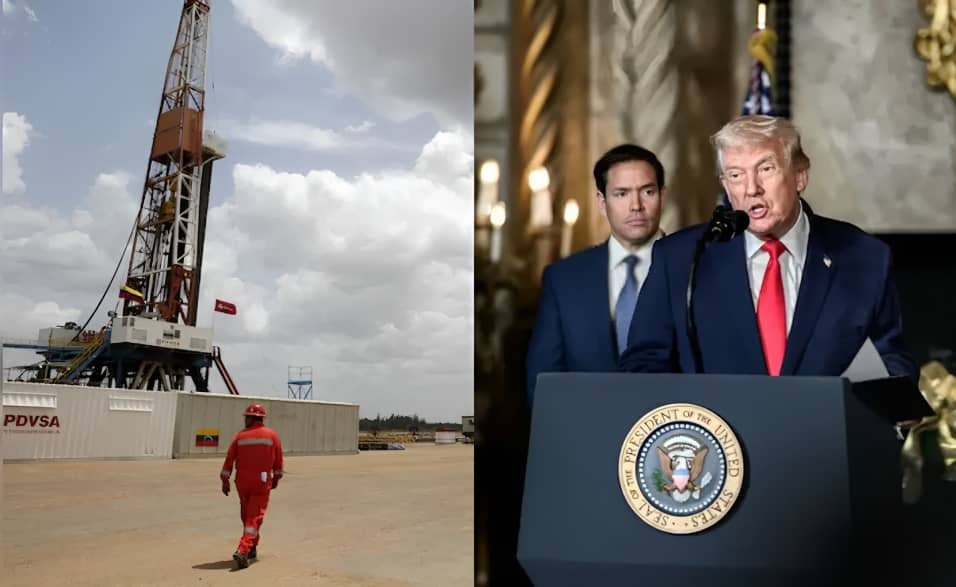
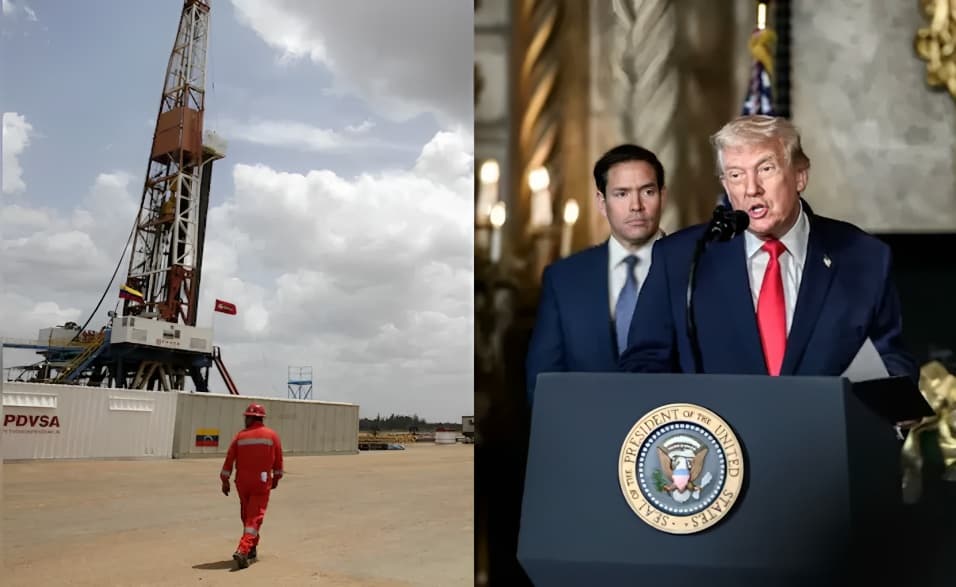
Recent reports surrounding the United States’ growing influence over Venezuela’s oil sector have drawn significant attention from global markets and policymakers. Venezuela holds some of the world’s largest proven oil reserves, and any shift in control or access to these resources carries major implications for global energy politics and economic stability. Developments linked to former US President Donald Trump’s broader energy strategy have reignited debate on how oil power can shape inflation, interest rates, and returns in emerging markets.
Energy analysts note that increased US involvement in Venezuelan oil production or exports could alter global supply dynamics. Even modest changes in oil availability often influence crude prices, which in turn affect fuel costs, transportation expenses, and overall inflation. For economies already struggling with price pressures, such shifts could complicate efforts by central banks to control inflation.
Oil prices remain a key driver of monetary policy worldwide. Higher energy costs typically push inflation upward, prompting central banks to maintain or raise interest rates. Conversely, increased supply can ease price pressures, potentially allowing for more accommodative monetary policies. As a result, global investors are closely monitoring how US energy decisions may influence oil markets in the coming months.
Emerging markets could feel the impact more sharply than developed economies. Many developing nations rely heavily on imported energy, making them vulnerable to oil price volatility. Rising crude prices can weaken currencies, widen trade deficits, and increase borrowing costs. At the same time, oil-exporting emerging markets may benefit from higher revenues, highlighting the uneven effects of energy-driven economic shifts.
Financial markets have reacted cautiously to reports of US influence over Venezuelan oil assets. Equity markets, currencies, and bond yields in energy-sensitive economies have shown signs of volatility as investors reassess risk exposure. Market participants are also factoring in geopolitical considerations, including sanctions policy, diplomatic negotiations, and regional stability in Latin America.
Experts caution that claims of full US “control” over Venezuelan oil reserves require careful interpretation. Venezuela’s energy sector remains subject to complex legal, political, and operational constraints. However, even partial access or strategic leverage could reshape global energy flows and influence market expectations.
For India and other major energy-importing nations, developments in global oil politics are particularly relevant. Changes in crude prices directly affect inflation, fiscal balances, and growth prospects. Policymakers are therefore watching international developments closely to assess potential spillover effects.
In conclusion, the evolving situation surrounding US policy toward Venezuela’s oil sector underscores the powerful link between geopolitics and global economics. Whether through inflation trends, interest rate decisions, or emerging market returns, energy strategy remains a critical factor shaping the global financial landscape. Markets are likely to remain sensitive to further policy signals and official clarifications in the weeks ahead.


