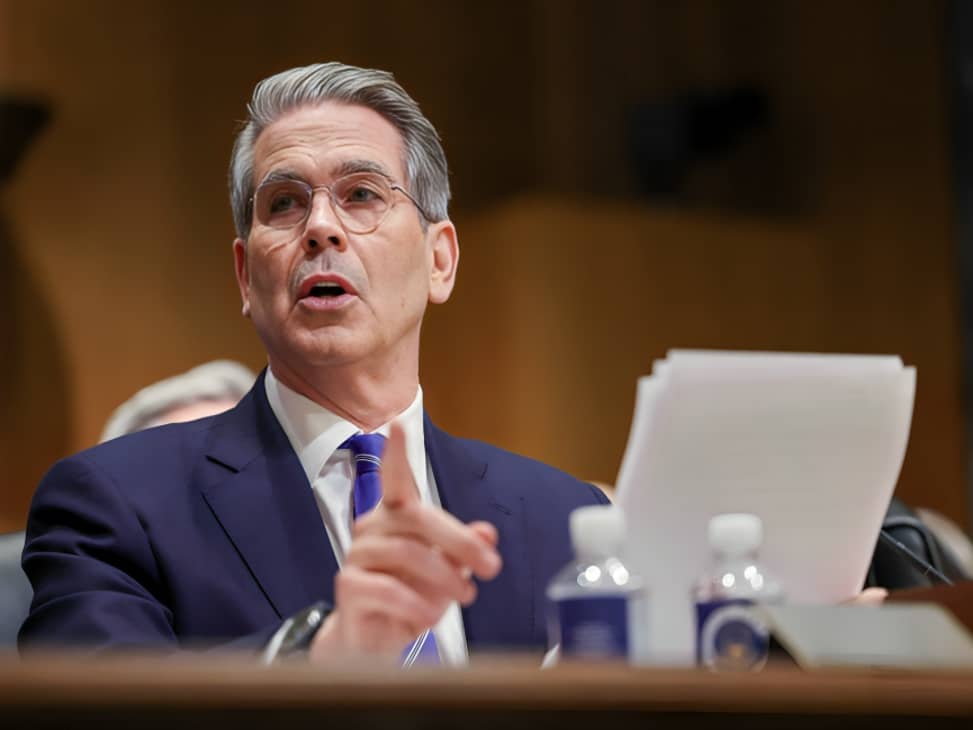
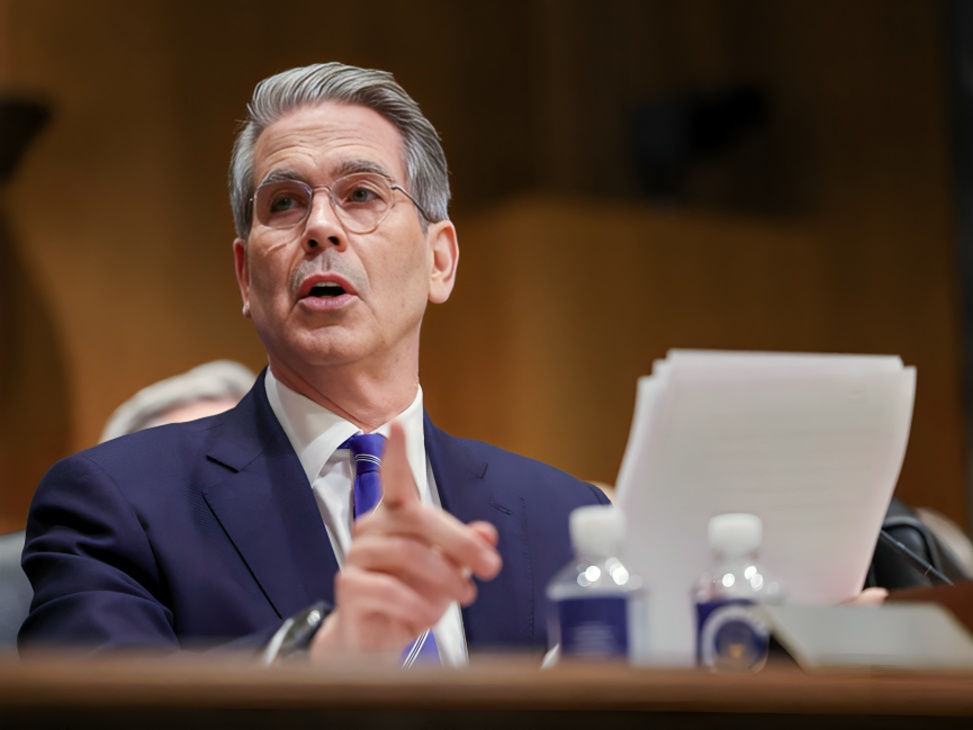
US Treasury Secretary Scott Bessent has announced that the United States is entering an economic D Day against Iran, signalling a major escalation in Washington's campaign to weaken Tehran through financial and economic pressure.
Bessent said the administration was moving into what he called the endgame of its Iran strategy. In a statement posted on social media, he said the United States would use its available government powers and economic authorities to cut off what Washington considers the remaining financial lifelines supporting the Iranian government. He described the planned measures as the greatest financial offensive the United States has organised against an adversary.
The announcement is expected to be followed by a new round of sanctions targeting Iran's economic networks as well as countries and businesses that continue to trade with Tehran. US officials have warned that entities maintaining commercial relationships with Iran could face significant consequences under the new measures.
The latest escalation comes after years of US sanctions on Iran. Washington has previously imposed restrictions on Iranian banks, oil exports, shipping networks, businesses and individuals. The Trump administration is now seeking to expand that pressure by targeting the wider international networks through which Iran continues to conduct trade.
One of the major questions surrounding the new strategy is whether additional sanctions will produce a different result after decades of economic restrictions. Iran has developed methods to continue trading despite sanctions, including alternative financial channels, indirect trading networks and relationships with major economic partners. Analysts therefore remain divided over whether the latest measures can force Tehran to make major policy concessions.
The issue has become more significant because Iran is already dealing with substantial economic pressure. The country has faced inflation, currency weakness, restrictions on international finance and reduced access to foreign investment. The continuing conflict has added further pressure on energy infrastructure, trade and government finances.
Washington's latest strategy is designed to avoid relying entirely on military action. By increasing the economic cost of continuing the confrontation, US officials hope to pressure Iran into changing its position on issues including its nuclear programme and regional security.
Iran, however, has rejected the US approach and warned that further economic pressure could lead to retaliation. Tehran has threatened to take measures affecting oil shipments through the Persian Gulf, including the strategically important Strait of Hormuz. Any prolonged disruption in the waterway could affect global energy markets because it is a major route for international oil shipments.
The threat involving the Strait of Hormuz has increased concern among energy traders and governments around the world. A serious disruption could raise oil prices, increase shipping and insurance costs and create additional pressure on economies that depend heavily on energy imports.
The latest US measures could also affect countries that continue purchasing Iranian oil or maintaining commercial relationships with Tehran. Major trading partners are therefore facing a difficult choice between maintaining economic ties with Iran and avoiding possible US penalties. Analysts have highlighted the importance of China and other major buyers in determining how effective the sanctions campaign will be.
At the same time, diplomatic efforts have not completely disappeared. Regional countries and international partners continue to explore ways to reduce tensions and create conditions for negotiations. The possibility of diplomacy remains important because sanctions alone may not resolve the broader political and security disagreements between Washington and Tehran.
Experts also differ on what additional economic pressure could achieve. Supporters of the US strategy argue that the combination of sanctions, military pressure and restrictions on Iranian exports could create unprecedented economic stress. Critics counter that Iran has lived under sanctions for decades and has repeatedly demonstrated its ability to adapt.
The outcome will therefore depend not only on the scale of the new sanctions but also on how effectively they can be enforced internationally. If major trading partners continue to find ways to maintain business with Iran, the impact could be weaker than Washington expects.
For global markets, the immediate concern is the possibility of further disruption in the Middle East. Any escalation involving Gulf energy infrastructure or the Strait of Hormuz could quickly affect oil prices and international supply chains.
The announcement by Bessent marks a significant shift toward intensified economic pressure as the United States seeks to isolate Iran. Washington says its objective is to sever Iran's economic lifelines, while Tehran has warned that further pressure could trigger retaliation.
Whether the strategy succeeds remains uncertain. The United States is betting that maximum economic pressure can produce political change, while Iran continues to signal that it will resist. The coming weeks will determine whether the new sanctions lead to negotiations, further confrontation or additional disruption to global energy markets.