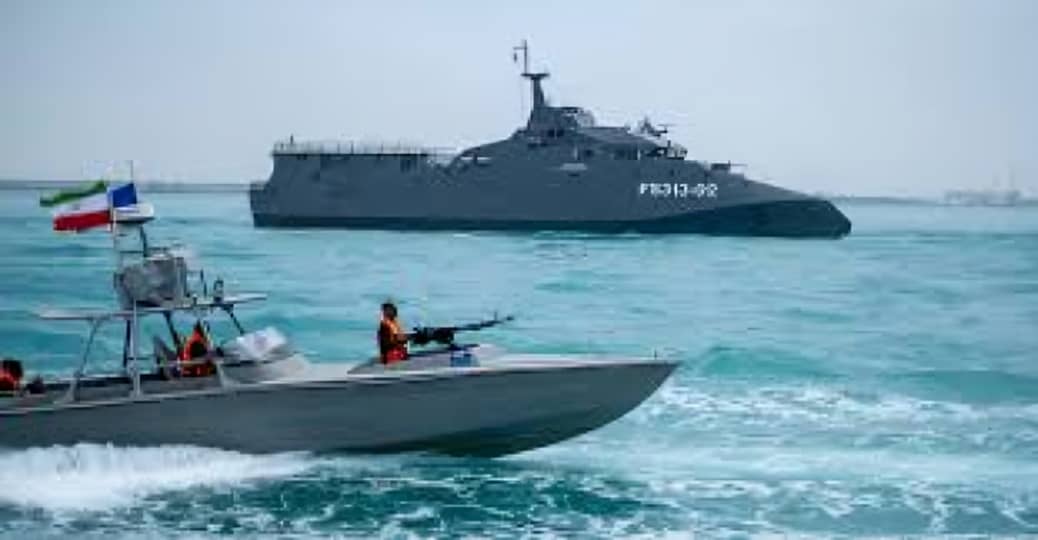
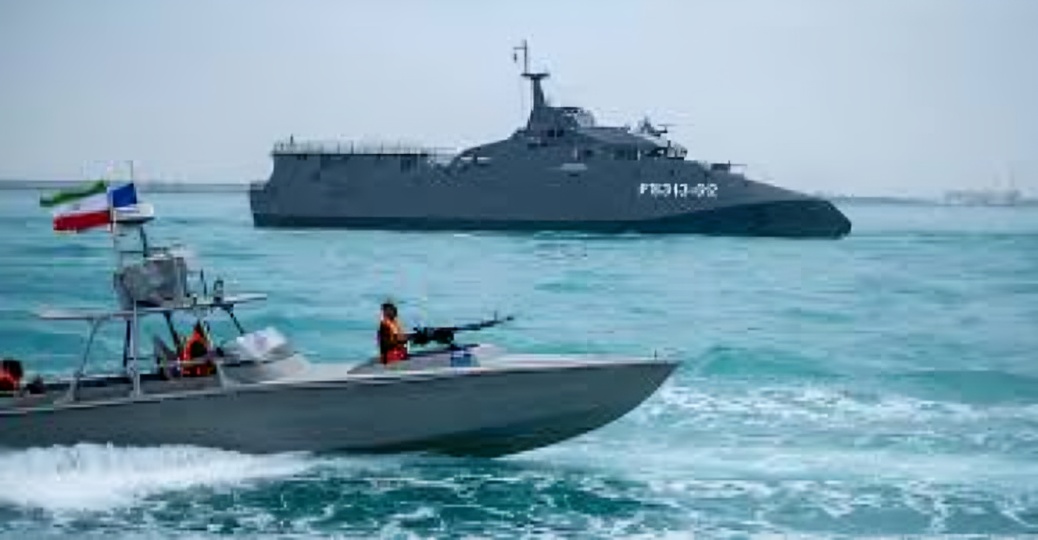
The United States Central Command has confirmed that US military forces carried out an operation in the Strait of Hormuz, resulting in the destruction of several Iranian fast boats. The operation involved the use of advanced military helicopters, including Apache and Sea Hawk models, and is being viewed as a significant development in the region.
The Strait of Hormuz is one of the most important maritime routes in the world, serving as a key passage for global oil shipments. Any disruption in this area can have wide ranging effects on international trade and energy markets. As a result, military activities in the region are closely monitored by governments and analysts.
According to official statements, the operation was conducted as part of efforts to maintain security and ensure safe navigation in the waterway. The presence of fast moving boats in the area was considered a potential threat, prompting a response from US forces. The use of aerial support allowed for quick and targeted action during the operation.
The incident comes at a time of heightened tensions in the region. Geopolitical developments and ongoing conflicts have contributed to an environment of uncertainty. Military engagements, even on a limited scale, can influence diplomatic relations and raise concerns about further escalation.
Observers note that the involvement of advanced military equipment highlights the strategic importance of the Strait of Hormuz. Ensuring the safety of this route is a priority for several countries, as it plays a crucial role in the global supply of oil and other resources.
The response from regional and international stakeholders is being closely watched. Governments may call for restraint and dialogue to prevent further escalation. Diplomatic efforts often accompany such incidents to maintain stability and avoid disruptions to global trade.
Economic implications are also a key consideration. Any instability in the Strait of Hormuz can lead to fluctuations in oil prices, which in turn affect global markets. Countries that rely heavily on energy imports are particularly sensitive to changes in this region.
Experts emphasize the importance of maintaining open communication channels between nations to manage tensions effectively. While security operations may be necessary in certain situations, long term stability often depends on diplomatic engagement and cooperation.
The situation also underscores the interconnected nature of global security and economic systems. Events in one region can have far reaching consequences, influencing markets and policies worldwide.
As developments continue, updates from official sources and international organizations will provide further clarity on the situation. Monitoring such events is essential for understanding their potential impact on global stability.
Overall, the operation reported by United States Central Command highlights the ongoing challenges in maintaining security in critical maritime routes. The incident serves as a reminder of the delicate balance between military action and diplomatic efforts in managing international relations.