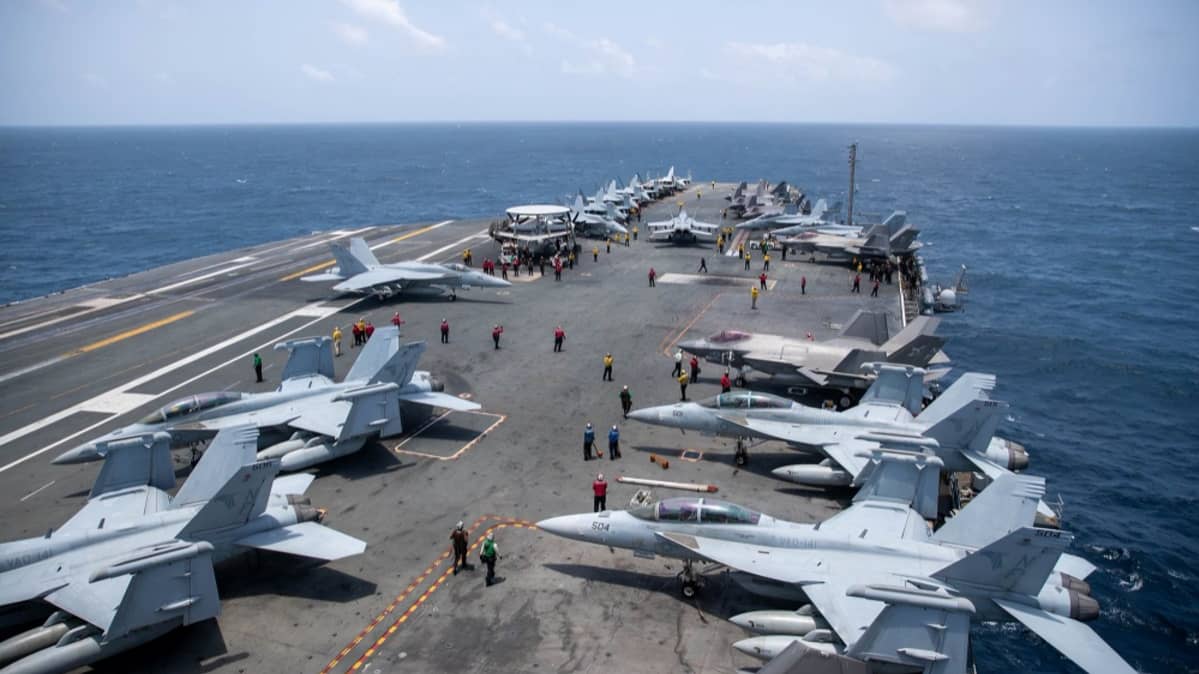
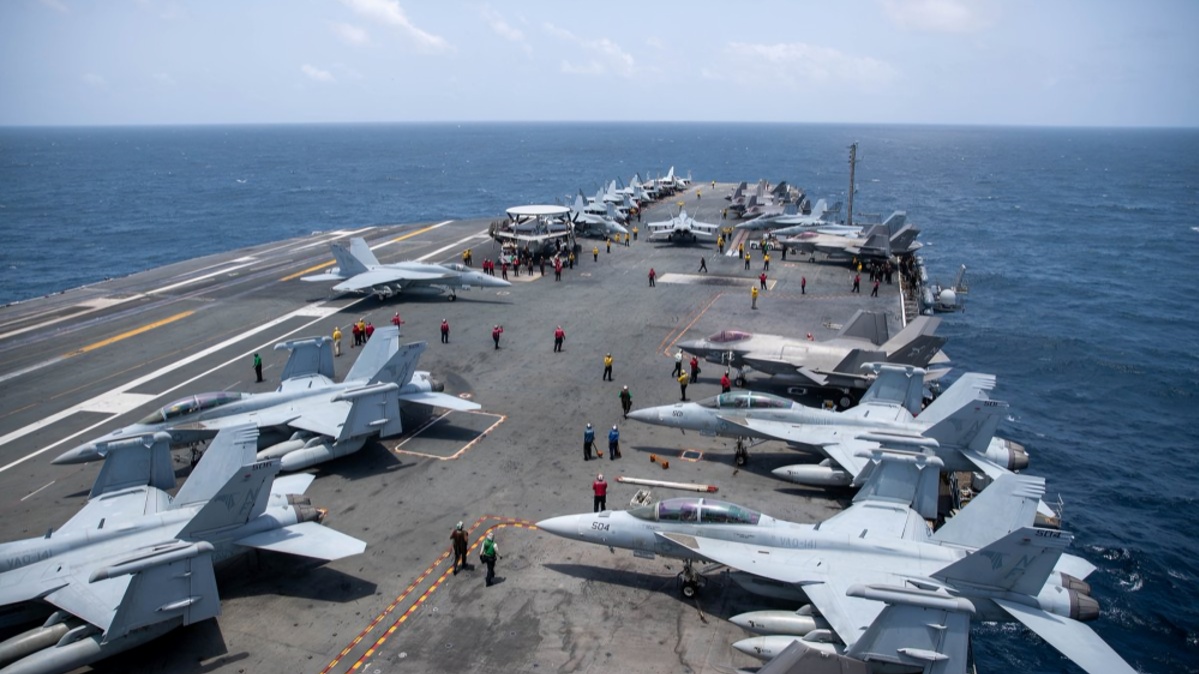
The United States has carried out its largest reported wartime escort operation through the Strait of Hormuz, with American forces assisting 40 commercial vessels carrying approximately 18 million barrels of oil. The operation took place amid continuing military confrontation between the United States and Iran and growing concerns about the safety of commercial shipping through the strategically important waterway.
The reported movement represents a significant effort by Washington to maintain commercial access through the Strait of Hormuz. The waterway is one of the world's most important maritime routes because large quantities of crude oil and other energy products normally pass through it. Any prolonged disruption can therefore have consequences for international energy markets, shipping companies and countries that depend on Gulf energy supplies.
According to current reports, the US military escorted 40 commercial vessels carrying around 18 million barrels of oil during the operation. The number of vessels and the volume of oil reportedly moved represent a wartime high for a single US supported transit operation through the Strait. The operation was conducted while American forces were also carrying out military activities against Iranian targets in the wider region.
The escort operation highlights the importance Washington places on keeping the maritime route open. The United States has repeatedly emphasised the need to protect commercial shipping and maintain the movement of energy supplies through the Gulf region.
The Strait of Hormuz connects the Persian Gulf with the Gulf of Oman and is located between Iran and Oman. Its geographical position makes it a key passage for energy shipments from major oil producing countries in the Gulf. Before the current conflict, the waterway handled a significant share of global seaborne oil trade.
The latest operation comes at a time when shipping activity through the Strait has been affected by the conflict. Preliminary shipping data reported on September 2 showed that only four commodity vessels had transited the waterway that day, compared with a 10 day average of around 13 vessels. Such figures indicate the level of caution among commercial operators.
The lower shipping traffic has raised concerns among energy companies and maritime operators. Commercial vessels entering a conflict affected waterway face several challenges, including the possibility of military incidents, higher insurance premiums, delays and additional security requirements.
The US escort operation was therefore significant not only because of the number of vessels involved but also because it demonstrated an effort to provide commercial shipping with additional security while military tensions remained high.
The 40 vessels reportedly carried approximately 18 million barrels of oil. The movement of this volume of energy through the Strait provides an important supply route for international markets. However, one successful escorted convoy does not eliminate the broader risks facing shipping companies.
The security situation remains uncertain because Iran has continued to challenge US military activity in the region. Tehran has also taken measures affecting selected vessels attempting to pass through the Strait. Reuters reported that Iran had expanded a blacklist of ships that it said were prohibited from transiting the waterway, bringing the reported number of restricted vessels to 56.
The presence of military forces near commercial shipping routes increases the complexity of maritime operations. Tanker operators must assess the security situation before deciding whether to enter the Strait, while insurers must calculate the potential risks associated with voyages through the area.
Energy companies are particularly concerned because the Strait of Hormuz is difficult to replace as a transportation route. Alternative pipelines and shipping routes can carry only a portion of the volumes normally transported through the waterway. A prolonged disruption could therefore place additional pressure on global oil markets.
The United States has previously assisted commercial vessels moving through the Strait. By August, US military officials had reported that more than 1,300 commercial vessels had received assistance and that more than 660 million barrels of crude oil had moved through the waterway with US military support since May.
The latest convoy is therefore part of a broader US effort to support commercial maritime traffic. The operation also comes as Washington seeks to reduce Iran's ability to use the Strait as leverage during the conflict.
The military dimension of the situation has also intensified. Recent reports said US forces conducted strikes against Iranian targets around the Strait of Hormuz. President Donald Trump said the United States was prepared to carry out additional strikes if necessary.
These developments have increased uncertainty for shipping companies. Even when a route remains technically open, operators may decide that the financial and security risks are too high. This can lead to fewer vessels entering the area and increased pressure on alternative transportation routes.
The cost of shipping through a conflict zone can also rise because insurance companies may charge higher premiums. Shipping companies may need to make additional security arrangements, alter schedules or wait for safer conditions before proceeding.
For global energy markets, the successful movement of 18 million barrels provides some evidence that large volumes of oil can still pass through the Strait under military protection. However, continued access will depend on the security situation and the willingness of commercial operators to use the route.
The current conflict has already caused shipping traffic through the Strait to fall below normal levels. This reduction is important because even a partial decline in shipments can affect supply expectations and energy prices if it continues for an extended period.
The situation also has implications for Asian economies, which receive a substantial share of their energy supplies through Gulf shipping routes. Countries that depend heavily on imported crude oil and liquefied natural gas are closely watching developments in the region.
India is among the major Asian energy importers with interests in the stability of the Strait of Hormuz. Any prolonged disruption could affect crude oil availability, transportation costs and domestic fuel prices, depending on the duration and severity of the disruption.
The latest US escort operation may provide temporary reassurance to some shipping operators, but it does not remove the underlying security risks. The possibility of further military escalation remains a major concern for companies planning voyages through the region.
Iran's actions toward selected vessels and the continuing US military presence have created a complicated environment for commercial shipping. The situation requires shipping companies to monitor military developments, maritime warnings and insurance conditions before making transit decisions.
The 40 vessel convoy also demonstrates the logistical scale required to protect commercial shipping during a major regional conflict. Coordinating military escorts for dozens of commercial vessels requires naval resources, surveillance capabilities and close communication with shipping operators.
The operation could encourage some companies to resume transit if they believe adequate protection is available. However, other operators may continue to avoid the Strait until the security situation becomes more predictable.
The Strait of Hormuz remains central to the wider US Iran confrontation because of its strategic location and importance to global energy supplies. Control over access to the waterway has long been a major security concern for countries in the region.
The latest US operation should therefore be viewed as both a maritime security effort and part of the broader military confrontation surrounding Iran. The successful movement of 40 vessels shows that commercial traffic can continue under certain conditions, but the wider risks remain.
For now, energy companies and shipping operators are likely to continue monitoring the situation closely. Any further attacks on commercial vessels, restrictions on shipping or military escalation could reduce traffic again and increase pressure on global energy markets.
The reported movement of 18 million barrels through the Strait represents a significant volume of oil during wartime. However, the long term stability of the route will depend on developments between the United States and Iran and the ability of regional countries to maintain maritime security.
The latest operation has demonstrated the United States' willingness to provide military support for commercial shipping through the Strait of Hormuz. At the same time, continued concerns over security, insurance costs and potential disruption mean that the future of normal shipping through the waterway remains uncertain.
The Strait continues to be one of the most closely watched maritime routes in the world, with developments there capable of affecting regional security, international trade and global energy prices.