The United States has extended the deployment of some of its military forces in the Middle East into 2027, according to recent reports, highlighting the uncertainty surrounding the continuing confrontation between Washington and Tehran.
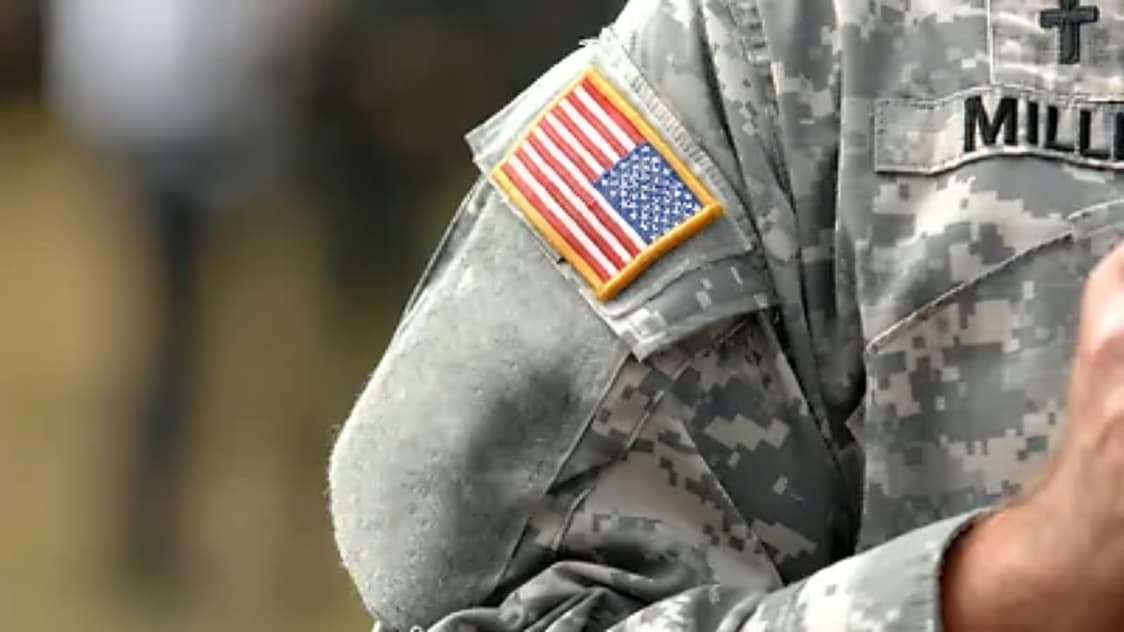
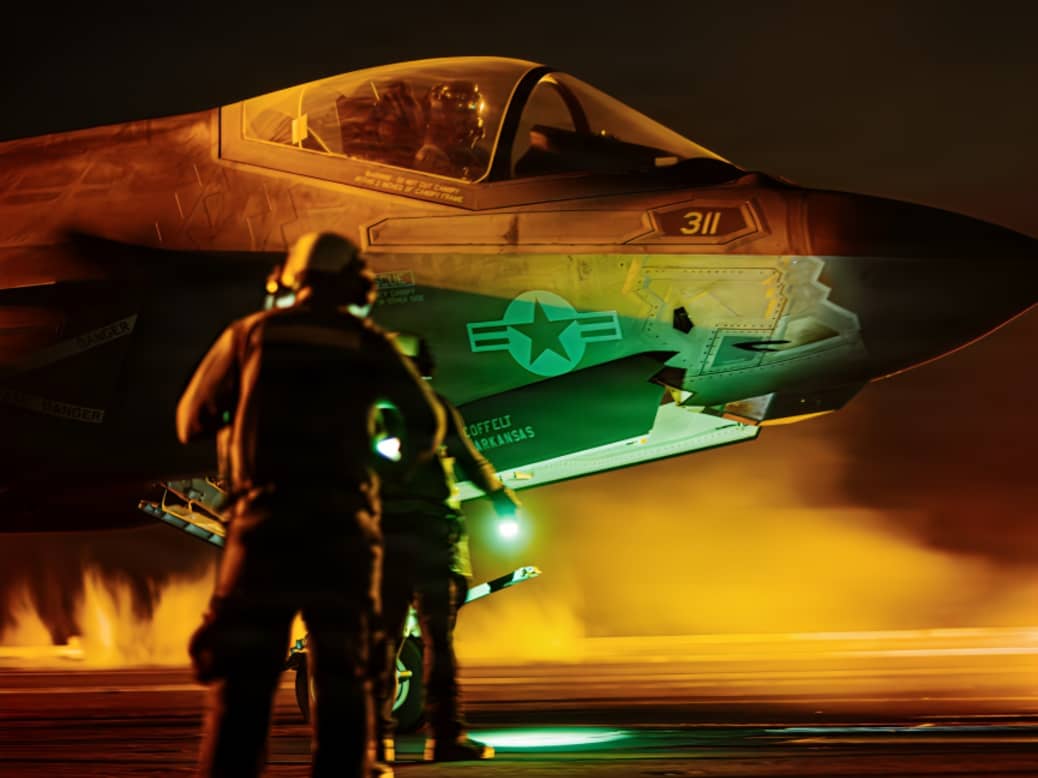
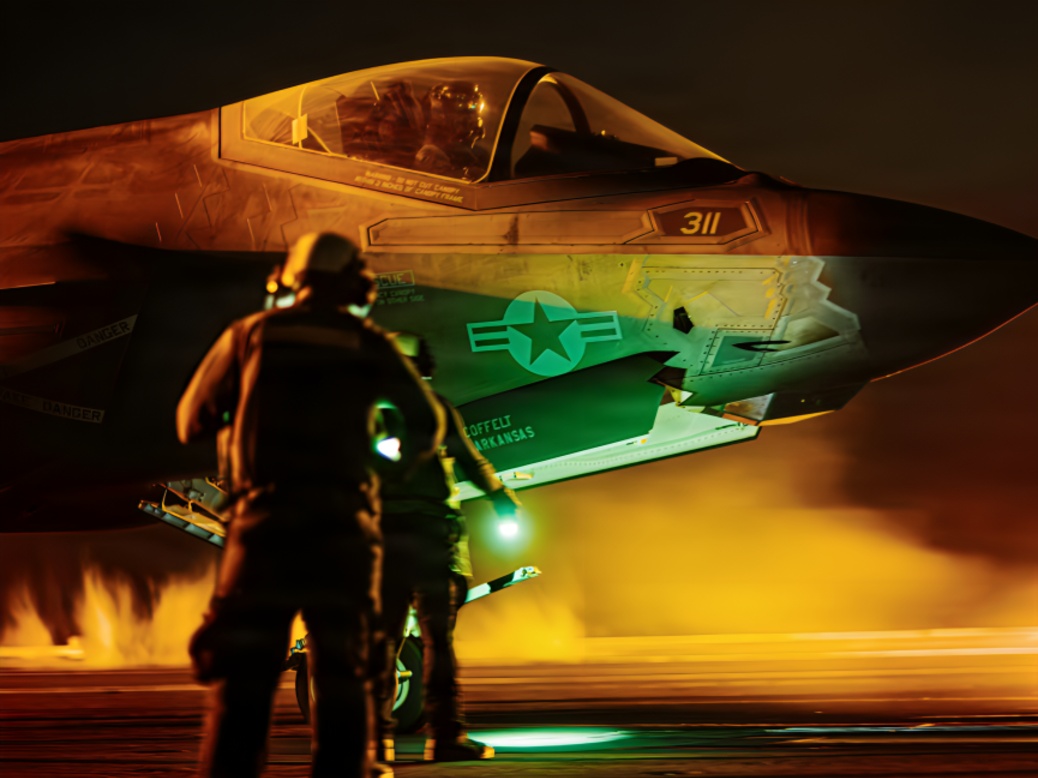
The deployment decision was reportedly approved by US Defence Secretary Pete Hegseth and affects several categories of American military personnel operating in and around the Middle East. These include Army units, air defence forces, fighter squadrons and Navy personnel.
The extension comes after months of military operations and heightened tensions involving the United States and Iran. The US military has maintained a substantial presence across the region, with reports putting the number of American troops in the Middle East at around 50,000. The region also has a significant concentration of warships, aircraft and air defence systems.
The decision to extend deployments into 2027 does not necessarily mean that Washington has decided that the Iran conflict will continue for the entire period. Instead, the extended deployments provide US military and political leaders with greater flexibility to respond to developments and maintain a military presence while the broader situation remains unsettled.
The development has drawn attention because US President Donald Trump has previously indicated that he does not expect the renewed military campaign against Iran to continue indefinitely. Trump said recently that the latest US campaign would not last long, while American officials have continued to discuss both military and economic measures against Tehran.
The conflicting signals have created uncertainty over the future direction of US policy. On one side, the extension of military deployments indicates that American planners are preparing for the possibility of a prolonged regional commitment. On the other, statements from the White House suggest that Washington continues to consider the possibility of bringing the current military phase to an end.
US Vice President JD Vance has also described the situation differently from conventional descriptions of a war. In recent remarks, he said the United States was not treating the conflict as a traditional war and pointed to the continuing attacks on commercial shipping in the Strait of Hormuz as a major issue. He did not provide a specific timeline for when the confrontation would end.
The Strait of Hormuz remains central to the wider crisis because it is one of the world's most important routes for energy shipments. Any prolonged disruption in the area can affect oil supplies, shipping costs and energy markets around the world.
The United States has been maintaining a large military presence in the region partly to protect its forces and regional partners and to respond to threats to commercial shipping. American military assets include naval vessels, fighter aircraft, air defence systems and other support units.
The extension of deployments is also significant from a military planning perspective. Longer deployments can place additional pressure on personnel, equipment and maintenance schedules. Recent reports have highlighted concerns among some US military leaders about the sustainability of prolonged operations in the Middle East and the potential impact on America's ability to respond to other security challenges.
A recent assessment reported by The Washington Post raised concerns that continued large-scale operations against Iran could weaken US military capabilities elsewhere. Such concerns are particularly important for American defence planners because the United States is simultaneously dealing with security challenges in other regions.
The Navy has faced particular pressure from extended deployments. Reports have pointed to long periods at sea for some American warships and the difficulties involved in maintaining personnel readiness and equipment while operating far from normal bases.
For the Trump administration, the situation also involves an economic component. Washington has continued to consider sanctions and other forms of economic pressure against Iran alongside military measures. The objective is to pressure Tehran while maintaining American leverage over negotiations and regional security arrangements.
Recent reports indicate that diplomatic efforts remain limited. The United States has continued to demand changes in Iranian behaviour, particularly concerning military activities and shipping through the Strait of Hormuz. Iran, meanwhile, has maintained its own demands and has resisted several US positions.
The possibility of further military action remains another important factor. Trump has indicated that the United States is prepared to conduct additional strikes if necessary, particularly in response to threats against American forces or shipping. However, the administration has also suggested that it does not want the military campaign to continue indefinitely.
The extension of military deployments therefore provides Washington with options without necessarily committing the United States to a continuous conflict through 2027. Military units can remain in the region even if the intensity of combat operations changes significantly.
For countries in the Middle East, the continued US military presence is likely to remain an important security consideration. Several countries host American forces or support US military operations, while Iran has repeatedly warned against what it views as increased American military pressure.
The situation also has wider international implications. Any escalation involving Iran could affect oil markets, shipping routes, global trade and relations between the United States and other major powers. Asian economies, including India, could also be affected by sustained increases in energy and transportation costs if disruptions in the Gulf continue.
At the same time, the possibility of a diplomatic settlement cannot be ruled out. The future of the conflict will depend on decisions by Washington and Tehran, developments involving regional actors and the security situation around the Strait of Hormuz.
The reported extension of US troop deployments into 2027 should therefore be viewed as a military preparedness decision rather than definitive evidence that the Iran conflict will continue until that year. It shows that US defence planners are preparing for a range of possible scenarios while the political leadership continues to assess military, diplomatic and economic options.
The next phase of the confrontation could therefore involve a combination of military deterrence, economic pressure, negotiations and regional security measures. The duration and intensity of the US military presence will ultimately depend on developments between Washington and Tehran and the broader security situation in the Middle East.