A potential diplomatic development has emerged in the ongoing tensions between the United States and Iran, with reports suggesting that both sides are moving closer to discussing a 14 point peace framework aimed at reducing regional conflict and improving stability in the Middle East.
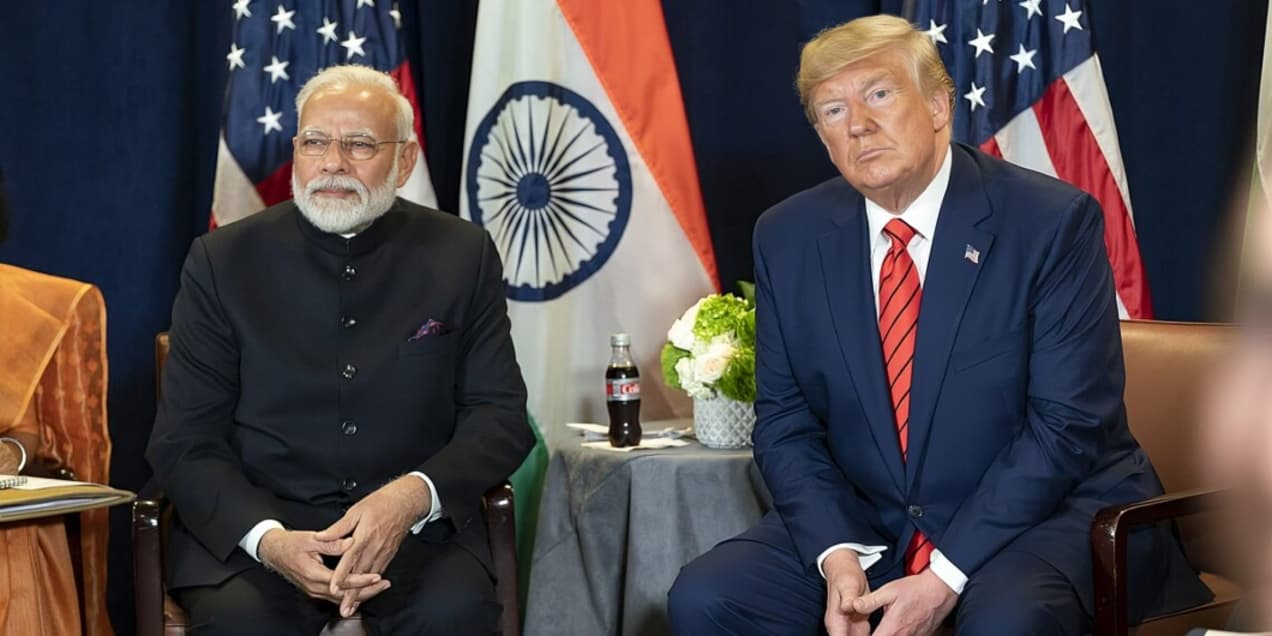
Former United States President Donald Trump has reportedly signalled optimism regarding the possibility of a diplomatic breakthrough. According to reports, the proposed one page memorandum is intended to address multiple areas of disagreement between Washington and Tehran and may serve as a roadmap for de escalation efforts after months of rising tensions in the region.
The reported framework, described as a 14 point proposal, is believed to include measures aimed at reducing military confrontation, improving communication channels, and establishing guidelines for maritime and regional security. While details of the proposal have not been officially confirmed by either government, diplomatic observers suggest that such discussions indicate ongoing efforts to prevent further escalation.
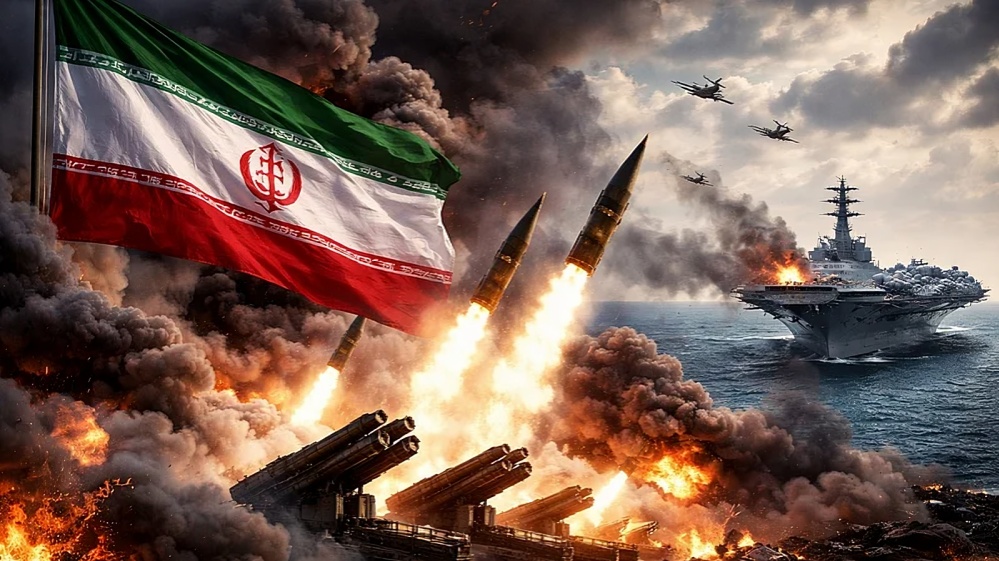
Tensions between the United States and Iran have remained high due to longstanding disputes involving nuclear policy, sanctions, military presence in the Middle East, and regional influence. The situation has further intensified in recent months due to reported incidents involving maritime security in the Gulf region and cross border military activity involving allied forces.
Analysts say that any structured peace proposal would likely require careful negotiation involving multiple stakeholders, including regional allies, international organisations, and security partners. The complexity of the geopolitical situation has made previous attempts at long term agreements difficult to achieve.
The Strait of Hormuz, one of the world’s most important oil transit routes, continues to be a central point of concern in the ongoing tensions. Any instability in this region has the potential to impact global energy markets and international trade flows. Experts believe that ensuring maritime security is likely to be a key component of any future diplomatic arrangement.
International relations specialists note that peace frameworks involving multiple points often aim to address both immediate security concerns and long term political issues. These may include steps toward reducing military activity, establishing verification mechanisms, and creating channels for diplomatic engagement.
Although optimism has been expressed by political figures, officials have not confirmed any finalized agreement. Diplomatic discussions between the United States and Iran have historically faced setbacks due to differences in policy positions, trust issues, and regional alliances.
Global observers say that even preliminary progress toward dialogue can help reduce tensions and open pathways for further negotiation. However, they also caution that complex geopolitical disputes require sustained engagement and consistent diplomatic efforts over time.
The reported 14 point memorandum, if formally developed, could represent one of several attempts to create a structured framework for de escalation in the region. Analysts believe that any such initiative would require cooperation not only between the two countries involved but also support from international partners.
As the situation continues to develop, governments, investors, and global institutions are closely monitoring the potential impact of diplomatic efforts on regional stability, energy markets, and international security dynamics.
While no official agreement has been announced, the emergence of reported discussions around a structured peace framework has raised cautious hope that diplomatic channels remain active despite ongoing tensions.