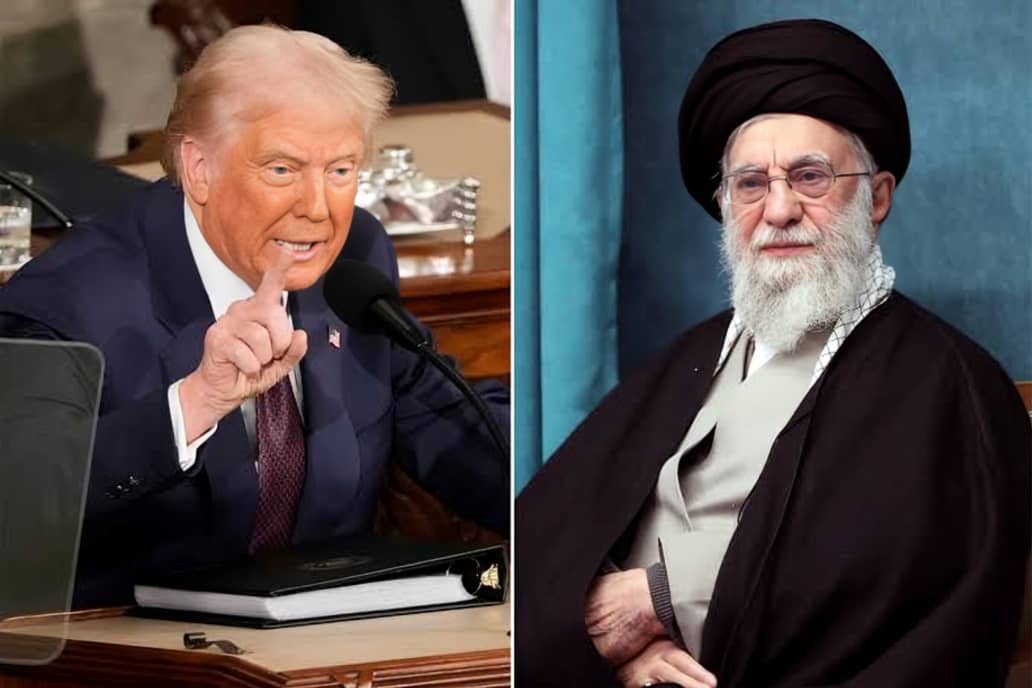

The conflict involving the United States, Iran, and Israel has entered another phase of diplomatic uncertainty following statements by US President Donald Trump and the response from Iranian officials regarding the possibility of negotiations.
President Donald Trump said that diplomatic efforts were underway and described the current situation as Iran's final opportunity to pursue a negotiated path toward ending the conflict. He indicated that the United States was prepared to allow space for diplomacy while continuing to closely monitor developments across the region.
However, Iranian officials rejected the suggestion that direct negotiations with the United States were taking place. According to statements released by Tehran, there are currently no direct talks with Washington. Iranian authorities stated that discussions involving Oman are focused on regional maritime issues, including developments relating to the Strait of Hormuz, rather than broader negotiations concerning the conflict.
The differing public statements have highlighted the continuing lack of agreement between the two countries regarding diplomatic engagement. While the United States has suggested that opportunities for dialogue remain available, Iran has maintained that no direct negotiations are currently underway.
The Strait of Hormuz continues to be a central issue in regional discussions because it serves as one of the world's most important shipping routes for crude oil and liquefied natural gas exports. Any disruption to maritime traffic through the strait has the potential to affect global energy supplies and international trade.
At the same time, military activity and security concerns continue across several parts of the Middle East. Violence has persisted in Gaza, while regional governments remain on alert over the possibility of further escalation involving multiple actors. International observers continue to monitor developments closely because of the potential impact on regional stability.
Although reports indicate that the United States has not announced additional large scale military operations during the current phase, officials have continued to emphasise that American forces remain prepared to respond if necessary. At the same time, diplomatic channels involving regional mediators remain active as governments attempt to prevent further escalation.
Oman has frequently served as an intermediary between the United States and Iran during previous periods of tension. The Gulf nation has played an important role in facilitating indirect communication and supporting diplomatic initiatives aimed at reducing regional conflict. However, neither Oman nor the parties involved have announced any breakthrough in the current situation.
The continuing uncertainty has also influenced international energy markets. Traders remain attentive to developments involving the Strait of Hormuz because a significant portion of global oil exports passes through the waterway. Any increase in regional instability could affect shipping operations and energy prices worldwide.
International organisations and several governments have renewed calls for restraint, urging all parties to avoid actions that could widen the conflict. Diplomatic efforts remain focused on preventing further military escalation while encouraging peaceful dialogue through established international channels.
Analysts note that the public statements issued by both Washington and Tehran reflect significant differences in their respective positions. While political leaders continue to exchange strong messages publicly, there has been no official confirmation of comprehensive direct negotiations between the two governments.
The situation remains fluid, and developments continue to evolve through diplomatic contacts, regional mediation efforts, and ongoing security assessments. Governments, international organisations, and global markets are expected to continue closely monitoring the conflict because of its implications for regional security, international trade, and global energy supplies.