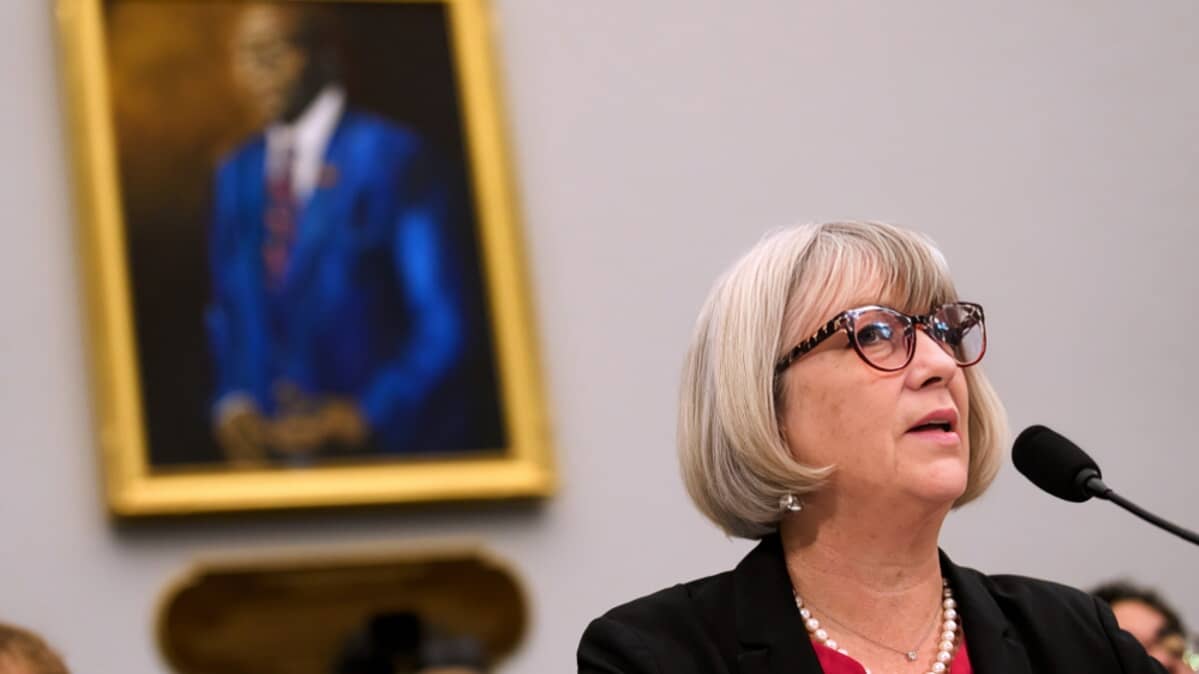

A congressional oversight hearing in the United States drew attention after Republican Congressman Brandon Gill questioned Smithsonian National Museum of American History Director Anthea Hartig about museum content related to Mickey Mouse and diversity, equity, and inclusion initiatives.
The discussion took place during a House oversight hearing examining policies, educational materials, and public exhibits presented by institutions within the Smithsonian network. Members of Congress questioned museum officials about how historical and cultural topics are interpreted and presented to visitors.
During the hearing, Congressman Gill referred to educational material associated with the museum and questioned the interpretation surrounding the origins of the popular Disney character Mickey Mouse. He asked Director Anthea Hartig about references that, according to him, connected the character's early development with historical discussions on race and cultural representation.
The questioning formed part of a broader debate in the United States regarding diversity, equity, and inclusion initiatives in public institutions. Several lawmakers have raised concerns about how museums, universities, and other publicly funded organizations present historical events, cultural developments, and educational content.
Director Anthea Hartig responded to questions regarding the museum's exhibits and educational resources, explaining the institution's approach to presenting historical information within broader cultural and historical contexts. Museum officials have consistently stated that exhibits are developed through academic research, historical documentation, and curatorial review.
The Smithsonian Institution is one of the world's largest museum and research organizations, operating numerous museums and educational centers across the United States. Its institutions are responsible for preserving historical artifacts while presenting exhibitions covering American history, science, culture, technology, and the arts.
Congressional oversight hearings involving the Smithsonian periodically examine issues related to museum funding, exhibit content, educational programming, and institutional policies. Such hearings allow lawmakers to question officials regarding the management and public presentation of national collections.
The hearing also reflected the broader national discussion surrounding diversity, equity, and inclusion policies. Supporters of these initiatives argue that they help institutions present a more comprehensive understanding of history by including multiple perspectives and previously underrepresented voices. Critics, however, have expressed concerns that some educational materials may introduce interpretations they believe require greater balance or additional historical context.
The exchange between Congressman Gill and Director Hartig became one of the notable moments of the hearing because it highlighted differing viewpoints on how cultural symbols and historical subjects should be interpreted in public institutions. The discussion focused on museum methodology, educational responsibility, and historical interpretation rather than any proposed changes to existing exhibits.
Public museums often review and update exhibitions as new historical research becomes available. Curators generally rely on documented evidence, academic scholarship, and peer review when developing exhibits designed to educate visitors about historical events and cultural developments.
The oversight hearing concluded without any immediate policy decisions regarding the museum's exhibits. However, the discussion is expected to contribute to the continuing debate in the United States over the role of publicly funded cultural institutions, the presentation of historical narratives, and the implementation of diversity related educational programs.
The hearing underscores the continuing national conversation about how history should be interpreted and communicated in museums, balancing historical scholarship, public education, and differing political perspectives within democratic institutions.