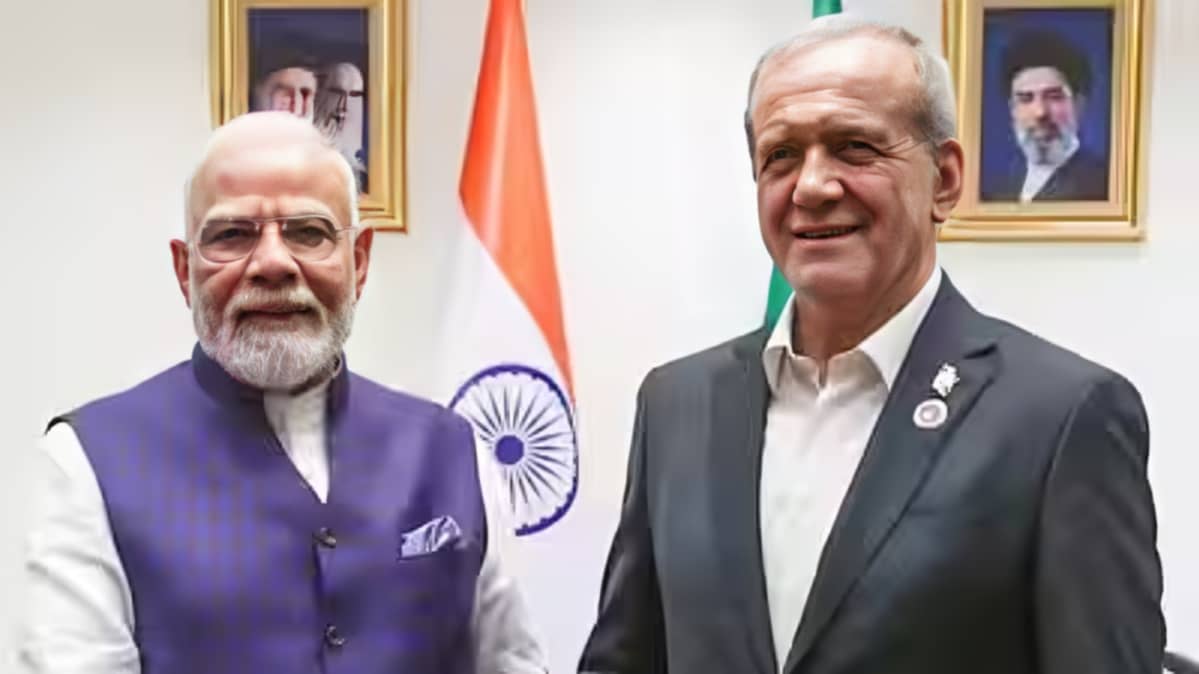
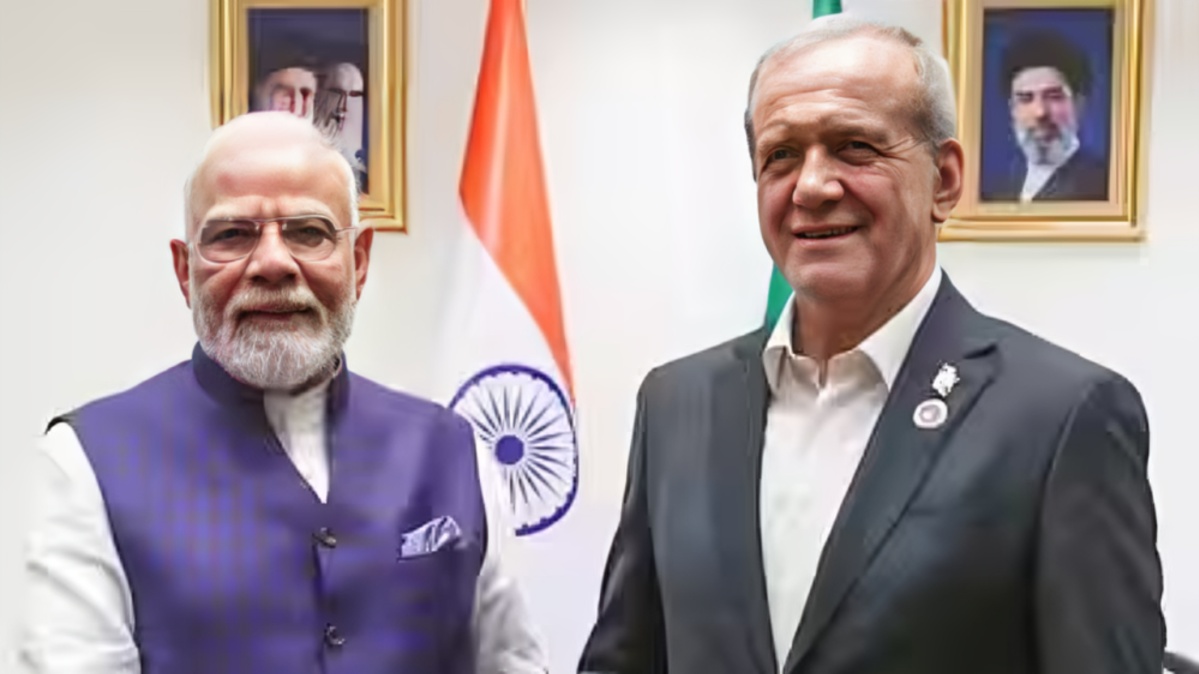
Prime Minister Narendra Modi's meeting with Iranian President Masoud Pezeshkian on the sidelines of the Shanghai Cooperation Organisation summit in Bishkek has drawn a response from the United States, with Secretary of State Marco Rubio warning countries against helping Iran evade American sanctions.
The meeting between Modi and Pezeshkian focused on India Iran relations, bilateral trade and developments in the region. Following the meeting, Modi said India remained committed to strengthening its longstanding relationship with Iran and wanted to expand and diversify bilateral trade. The two leaders also discussed the prevailing situation in West Asia and issues concerning regional peace and stability.
Rubio was asked about the Modi Pezeshkian meeting during an interview on The Brian Kilmeade Show on Fox News Radio. He was specifically asked whether India and Iran were working towards a trade arrangement.
Responding to the question, Rubio said he did not believe there was currently a trade deal being negotiated between India and Iran. He also acknowledged that individual countries have the right to determine their own foreign policy and that several countries around the world maintain communication with the Iranian government.
However, Rubio drew a distinction between maintaining diplomatic relations with Tehran and helping Iran circumvent US sanctions. He reiterated the position of the Trump administration that countries should not assist Iran in establishing mechanisms that would allow it to generate revenue while bypassing American sanctions.
Rubio warned that countries involved in helping Iran evade sanctions could themselves face punitive measures from the United States. His comments came at a time when Washington continues to maintain strong economic pressure on Tehran.
The US warning does not, by itself, establish that India has violated American sanctions. Rubio's remarks were framed as a broader warning to countries that might assist Iran in bypassing US restrictions. His comments followed the Indian Prime Minister's meeting with the Iranian president, which included discussions on expanding bilateral economic engagement.
India and Iran have maintained longstanding diplomatic relations and have cooperated in several areas, including trade, connectivity and regional affairs. New Delhi has also historically maintained an independent foreign policy approach while engaging with countries that have different relationships with the United States.
During the Bishkek meeting, Modi said India wanted to expand and diversify its trade basket with Iran. This indicates that economic relations remain an important part of the bilateral relationship. At the same time, the US continues to apply sanctions against Iran and has warned other countries and companies about activities that could be considered assistance in sanctions evasion.
The issue is particularly significant because India has strategic and economic interests in maintaining relations with Iran while also maintaining a broad relationship with the United States. New Delhi therefore faces the challenge of balancing its ties with both Washington and Tehran as regional tensions continue.
The Modi Pezeshkian meeting also took place against the backdrop of continuing instability in West Asia. The two leaders discussed the situation in the region, with India reiterating its support for efforts aimed at achieving lasting peace and stability.
Iranian President Masoud Pezeshkian has also emphasised the importance of regional cooperation and economic engagement. His presence at the SCO summit provided an opportunity for Iran to discuss relations with India and other regional partners.
For the United States, the central concern remains Iran's ability to generate revenue through channels that Washington believes could undermine its sanctions policy. Rubio said countries should not create mechanisms that allow Tehran to evade restrictions and generate funds for activities that Washington opposes. He indicated that countries facilitating such arrangements could face sanctions.
The comments therefore add another layer to the diplomatic environment surrounding India Iran relations. While the meeting between Modi and Pezeshkian was presented by India as part of efforts to strengthen bilateral ties and expand trade, Washington made clear that it would closely watch activities that could assist Iran in circumventing US sanctions.
Rubio also noted that the United States itself has maintained contact with elements of the Iranian government during certain discussions. His comments indicated that Washington distinguishes between diplomatic engagement and activities that directly facilitate sanctions evasion.
India has not announced a new trade agreement with Iran as a result of the Bishkek meeting. Instead, Modi's public remarks referred to an intention to expand and diversify the existing bilateral trade relationship. Rubio similarly said he did not believe India and Iran were currently engaged in a trade deal.
The development highlights the complexities of India's foreign policy as it manages relations with major global and regional powers. India has continued to engage with Iran while also maintaining extensive strategic, economic and diplomatic relations with the United States.
The US warning could become relevant if future economic arrangements between India and Iran involve sectors or transactions that Washington considers subject to its sanctions regime. Any assessment of possible sanctions exposure would depend on the specific nature of the transaction and applicable US rules.
For now, the main development is the contrast between India's stated intention to strengthen economic engagement with Iran and Washington's warning against assisting Tehran in evading sanctions. The two positions reflect the different foreign policy priorities of the countries involved.
The Modi Pezeshkian meeting itself was part of India's wider diplomatic engagement during the SCO summit. Both sides discussed bilateral relations as well as regional developments, while India reiterated its interest in expanding trade with Iran.
Rubio's remarks have brought renewed attention to the potential economic and diplomatic implications of closer India Iran engagement. However, there is no indication in the reported comments that India has been accused by the United States of violating sanctions.
The situation is expected to remain closely watched as India continues to balance its longstanding relationship with Iran with its strategic partnership with the United States. Further developments will depend on future trade discussions, regional conditions and the implementation of US sanctions policy toward Tehran.