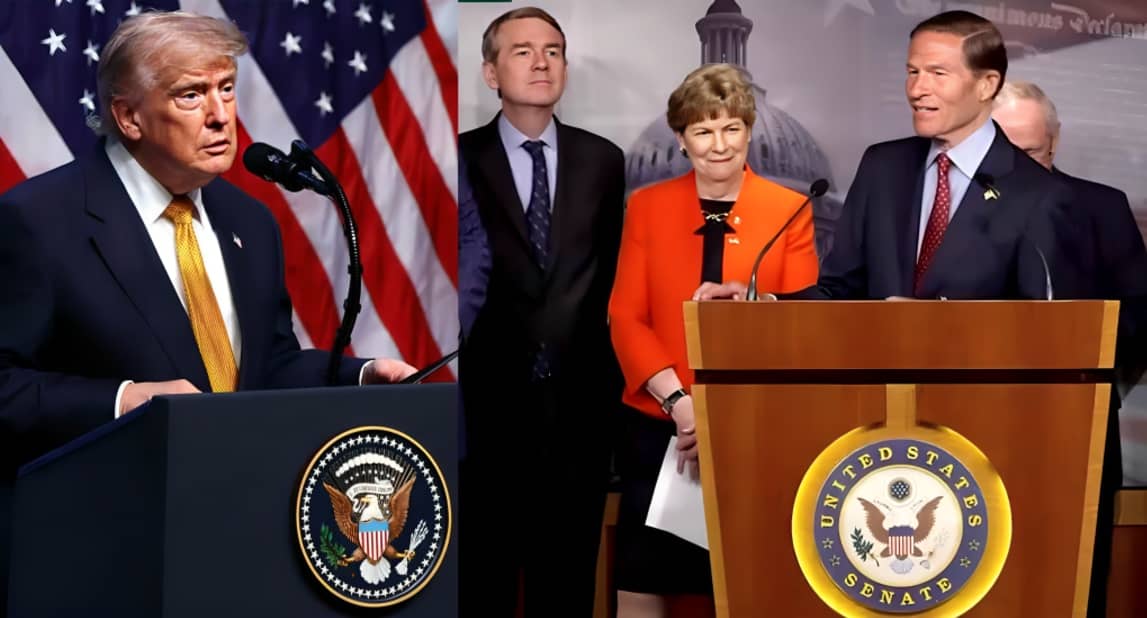

The United States Senate has approved legislation aimed at strengthening sanctions related to Russia, granting the President broader authority to impose penalties on countries and entities involved in specified transactions with the Russian energy sector. The bill is part of ongoing efforts by the United States to increase economic pressure on Russia following continued geopolitical tensions.
According to the proposed legislation, the President would have the authority to impose sanctions or other trade-related measures against countries, companies, or individuals found to be engaged in certain Russian energy transactions. However, the actual application of these measures would depend on executive decisions, the legal provisions of the legislation, and the broader foreign policy objectives of the United States.
The bill has generated international attention because several countries continue to import Russian crude oil, natural gas, and other energy products. Analysts note that the legislation could have implications for global energy markets, international trade, and diplomatic relations if implemented.
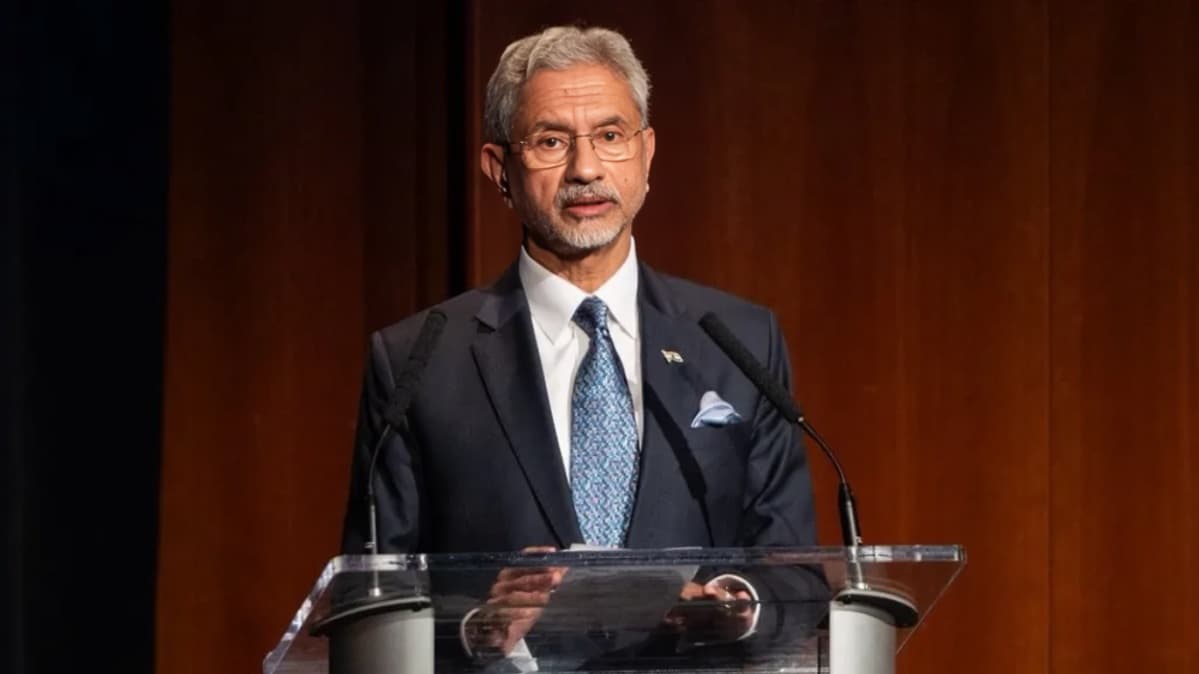
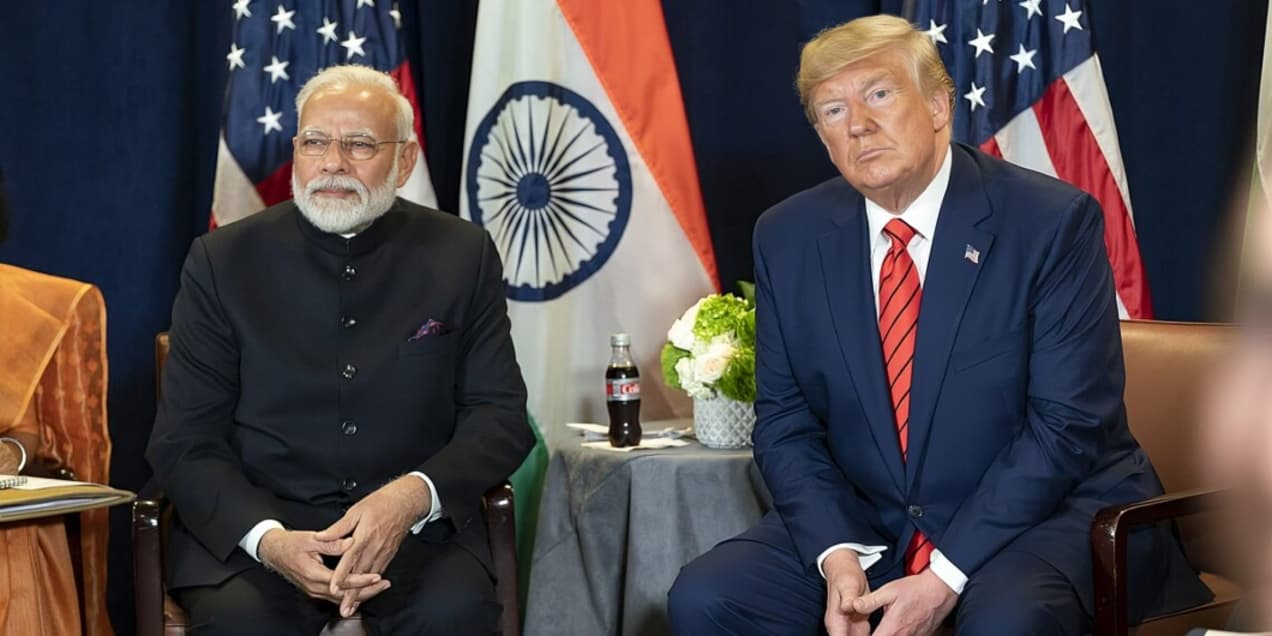
India has emerged as one of the major importers of discounted Russian crude oil in recent years. As a result, discussions surrounding the legislation have led to speculation about whether future US policy decisions could have implications for India's energy imports or trade relations. However, no specific action targeting India has been announced, and any potential impact would depend on how the law is implemented by the US administration.
The proposed legislation reportedly provides flexibility to the President in determining when and how sanctions or other penalties should be applied. This means that enforcement decisions may take into account diplomatic considerations, national security interests, and broader economic objectives.
Energy experts point out that global oil markets remain interconnected, and changes in sanctions policy can influence supply chains, crude oil prices, shipping, insurance, and international trade. Countries that rely on imported energy often balance multiple factors, including affordability, energy security, and long-term strategic partnerships when making purchasing decisions.
The bill must complete the remaining stages of the legislative process before becoming law. Even after enactment, implementing regulations and executive actions would determine the practical effect of the legislation. Governments and businesses affected by the measure are expected to closely monitor any guidance issued by US authorities.
The Government of India has consistently stated that its energy procurement decisions are guided by national interests, energy security, and market conditions. Indian officials have maintained that ensuring affordable energy supplies remains a priority for the country's economic growth and consumer needs.
Meanwhile, international observers will continue to watch developments in US sanctions policy, as changes could influence global trade patterns, diplomatic engagement, and energy markets. Any future action under the proposed law is expected to be assessed on a case-by-case basis in accordance with US legal and foreign policy considerations.
The legislation reflects the continuing use of economic measures as a tool of international policy. However, the extent of its impact on individual countries will become clearer only after the law is fully implemented and the US administration announces any specific enforcement actions.