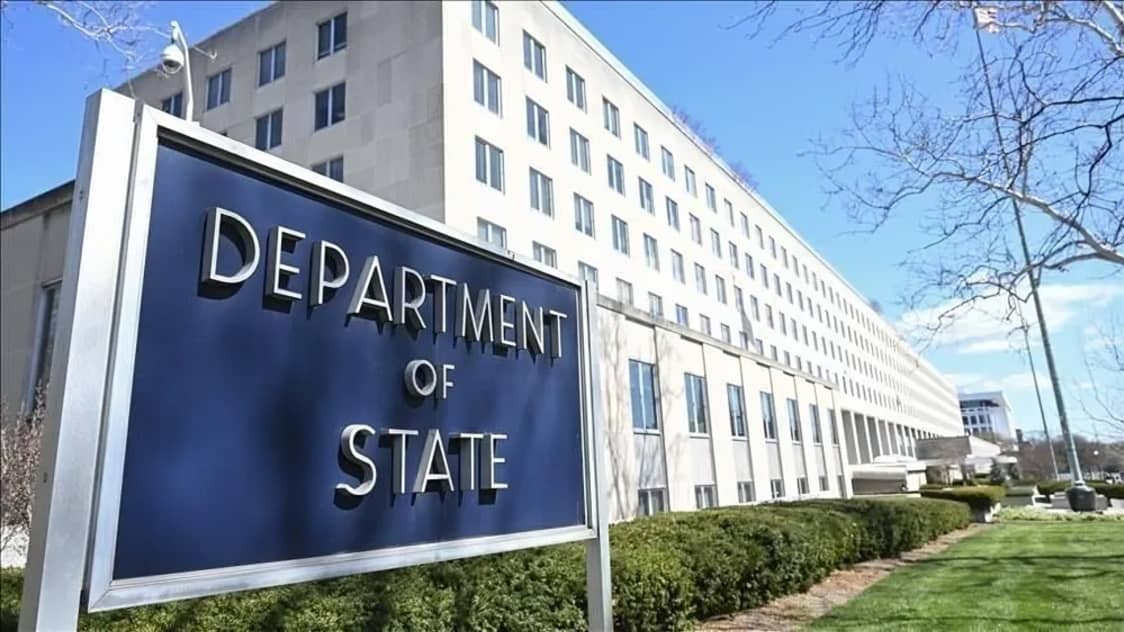
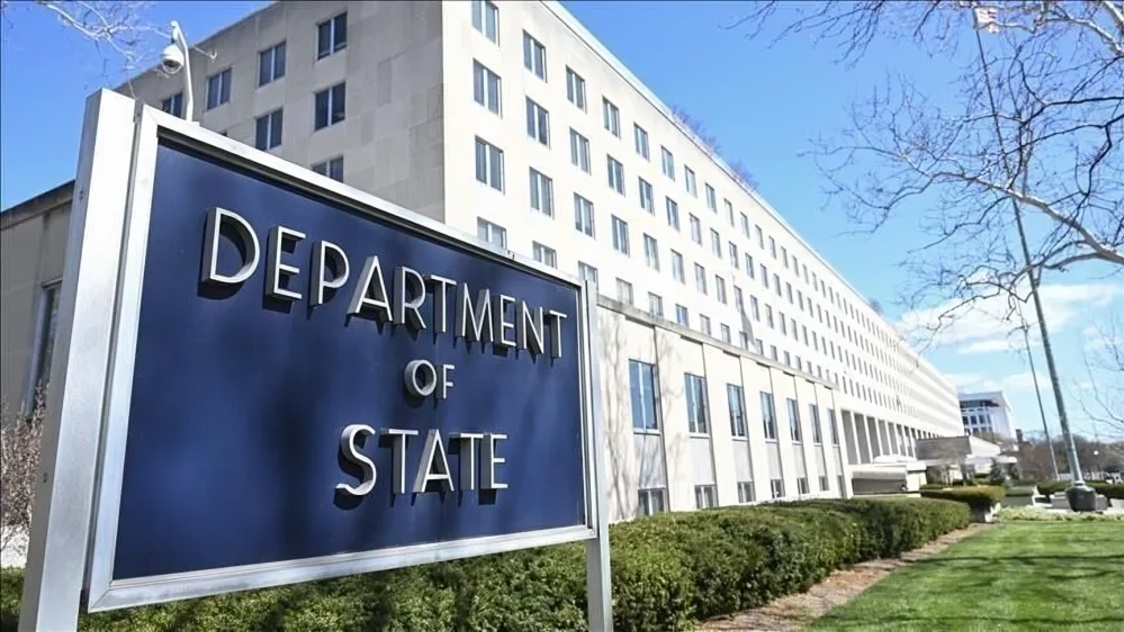
The United States Department of State has notified Congress of its proposal to close five overseas diplomatic missions as part of a broader restructuring of the country's global diplomatic network. The proposed closures include consulates located in Canada, Japan, and Indonesia, reflecting the administration's effort to modernize diplomatic operations and optimize the use of government resources.
According to officials familiar with the proposal, the review is intended to evaluate the effectiveness of diplomatic missions around the world and determine whether existing resources are being used efficiently. The restructuring is expected to focus on reducing administrative costs while maintaining the United States' ability to provide diplomatic services, support American citizens abroad, and advance foreign policy objectives.
The State Department has stated that the proposed changes are part of a long term strategy to adapt its diplomatic presence to changing international priorities. Officials have indicated that advances in digital services, changing travel patterns, and evolving geopolitical considerations have influenced the review of overseas missions.
Among the diplomatic facilities identified in the proposal are consulates in Canada, Japan, and Indonesia. While the department has informed Congress of its intentions, the proposal is subject to the required review process and has not yet been fully implemented. Additional consultations are expected before any final decisions are made.
Consulates play an important role in representing the United States outside capital cities. They provide a range of services, including issuing visas, assisting American citizens overseas, supporting business and trade relations, promoting educational and cultural exchanges, and maintaining contacts with local governments and communities. Even if individual consulates are closed, these responsibilities are generally transferred to nearby embassies or other diplomatic offices.
The proposed restructuring has generated attention because Canada, Japan, and Indonesia are among the United States' important diplomatic and economic partners. Canada remains the largest trading partner of the United States, while Japan is a key strategic ally in the Indo Pacific region. Indonesia, Southeast Asia's largest economy, is an important partner in regional security, trade, and economic cooperation.
Officials have emphasized that the proposal does not represent a reduction in diplomatic relations with these countries. Instead, the review is intended to improve operational efficiency while ensuring that essential diplomatic services continue through other US diplomatic missions.
The State Department periodically evaluates its global network to ensure that diplomatic resources reflect current foreign policy priorities. Similar reviews have taken place under previous administrations, resulting in changes to embassy staffing, consular services, and the location of diplomatic offices based on operational requirements and budget considerations.
Foreign policy experts note that maintaining overseas diplomatic missions involves significant financial and administrative commitments. Governments often review diplomatic infrastructure to balance operational costs with strategic objectives, especially as technology enables many administrative services to be delivered remotely.
Members of Congress are expected to examine the proposal during the review process. Lawmakers may seek additional information regarding the impact of the closures on consular services, visa processing, support for American citizens abroad, and diplomatic engagement in the affected regions.
The State Department has indicated that it remains committed to protecting the interests of US citizens overseas and maintaining strong diplomatic relationships with partner nations. Officials have stated that any changes to the diplomatic network will be implemented in a manner that minimizes disruption to public services and international cooperation.
The proposal reflects the administration's broader effort to review government operations and improve efficiency across federal agencies. Final decisions regarding the future of the identified consulates will be made after the completion of the congressional review process and any additional administrative evaluations.