Utah Rancher Uses 1,100-Acre Solar Lease to Support Expansion of Family Cattle and Horse Ranch
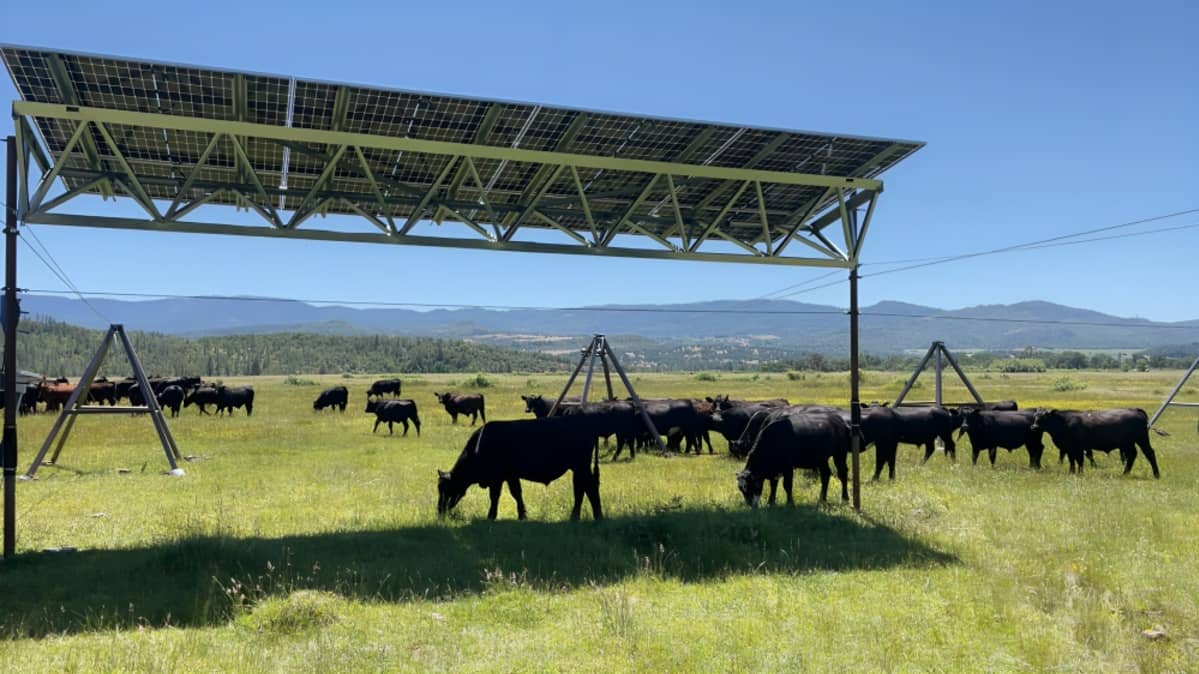
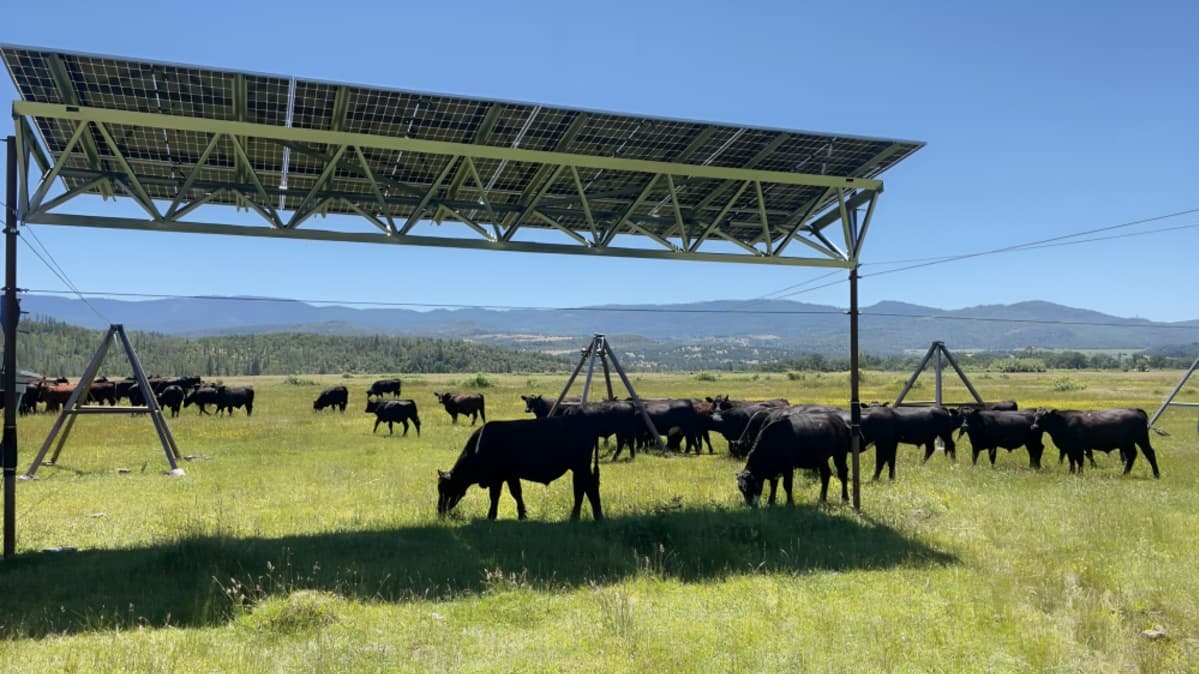
A fourth-generation rancher in the US state of Utah has found a new way to generate income from land that was not particularly productive for traditional agriculture. Greg Kesler, who operates the family-owned Double Dollar Ranch in Millard County, has leased approximately 1,100 acres to solar energy developers. The arrangement has provided a steady source of income and helped the family expand its cattle and horse business.
According to reporting by The Salt Lake Tribune, Kesler's ranch has more than doubled in size over the past decade. The additional income from the solar land leases has played an important role in that expansion. For Kesler, electricity generation has become more financially productive than using those particular acres for conventional agricultural purposes.
Turning Less Productive Land Into a Source of Income
Ranching traditionally depends on livestock, grazing land and the production of animal feed. However, not every acre of a large ranch offers the same agricultural potential. Some areas may produce limited grass or may not be suitable for growing crops such as alfalfa.
Kesler identified an opportunity to use these less productive portions of his property for renewable energy development. Instead of relying on the land for limited agricultural returns, he entered into lease arrangements with solar developers.
Under the arrangement, the developers own and operate the solar infrastructure, while Kesler receives income for allowing the projects to use his land. This provides the ranch with a source of revenue that does not depend directly on livestock prices, crop production or seasonal agricultural conditions.
The decision reflects a practical approach to managing land with different levels of productivity. Rather than replacing the entire ranching operation, the solar projects use selected areas that previously contributed relatively little to the family's agricultural business.
How the Solar Opportunity Emerged
The idea reportedly developed after Kesler came across a solar energy project while working in Hawaii. The experience encouraged him to consider whether similar infrastructure could be established on his Utah property.
The Double Dollar Ranch had certain advantages for solar development, including access to electricity transmission infrastructure and a major substation. Such facilities are important because large solar projects need suitable connections to the electricity grid to deliver the power they generate.
After exploring the opportunity, Kesler leased around 1,100 acres to solar developers. The resulting lease income became a significant part of the family's financial planning.
For a ranching business, a predictable income source can be particularly valuable. Traditional agricultural operations may face changing feed costs, fuel expenses, equipment costs, weather conditions and livestock market fluctuations. Lease payments from renewable energy projects can provide an additional financial cushion against some of these uncertainties.
Solar Income Helps Expand the Family Ranch
One of the most important outcomes of the arrangement has been the expansion of the Double Dollar Ranch. The additional revenue has helped the Kesler family purchase neighbouring properties and increase the land available for its cattle and horse operations.
Reports indicate that the ranch has more than doubled in size over approximately ten years. This demonstrates how income from an alternative land use can support the continuation of a traditional family business.
The solar projects have not ended the family's involvement in ranching. Cattle and horses remain important parts of the operation. The property also supports activities such as team roping events and an internship programme.
The family has therefore developed a business model that combines conventional ranching with renewable energy income. The solar lease provides financial support, while the additional land allows the agricultural operation to continue growing.
The Next Generation Is Also Involved
The solar development has created opportunities for other members of the Kesler family. Greg Kesler's son, Landon Kesler, has established a business focused on maintaining solar panels.
The business reportedly provides maintenance services for solar installations on the family ranch and other projects. This has added another connection between the family's traditional agricultural background and the renewable energy sector.
The arrangement illustrates how solar development can create economic activity beyond the initial land lease. Maintenance, equipment services and other related work can provide opportunities for local businesses and workers.
For the Kesler family, renewable energy has become more than an additional source of rent. It has helped create a broader business structure while supporting the family's long-standing involvement in ranching.
Solar Projects Can Also Benefit Rural Communities
The impact of solar energy development is not limited to individual landowners. Large renewable energy projects can generate property tax revenue for local governments, school districts and other public services.
One example highlighted in reporting on Utah's solar development is the Clover Creek solar project in Juab County. Located near Mona and close to Interstate 15, the facility has more than 200,000 solar panels and produces approximately 80 megawatts of electricity.
The project also uses sheep grazing during the growing season to manage vegetation around the solar panels. This approach combines electricity generation with a limited form of agricultural activity.
According to the reported figures, the Clover Creek project has generated more than 1.03 million dollars in property taxes since becoming operational in 2021. Around half of the revenue has gone to the Juab School District. Over its projected 20-year operating period, the facility is expected to generate approximately 5.7 million dollars in tax revenue.
The additional funding has supported educational resources and activities, including computers, 3D printers, robotics equipment, a swimming team and a gaming club.
These examples show how renewable energy projects can contribute to local economies through land payments, employment opportunities and tax revenue.
Debate Over Solar Development on Agricultural Land
Despite the financial benefits, the expansion of solar projects has raised concerns about the future of agricultural land in Utah. Some farmers and ranchers worry that large solar installations could occupy land needed for food production and livestock grazing.
The debate has also reached the state legislature. During the latest legislative session discussed in the reports, lawmakers approved measures restricting certain tax incentives for solar projects located on agricultural property. The policy debate reflects concerns about protecting productive farmland while allowing renewable energy development.
However, the Kesler family's experience highlights the difference between highly productive farmland and land that provides limited agricultural returns. For some landowners, leasing less productive areas to solar developers may offer a way to strengthen their existing agricultural businesses.
Kesler's position, as reported by The Salt Lake Tribune, is that landowners should have the flexibility to decide how less productive portions of their property are used.
A Different Approach to the Future of Ranching
The Double Dollar Ranch demonstrates how traditional agricultural businesses can adapt to changing economic conditions. By leasing selected portions of the property for solar energy production, the Kesler family has created a more diversified income model.
The arrangement has allowed the family to retain its cattle and horse operations while using land that previously generated limited agricultural returns for electricity production. It has also supported the purchase of neighbouring properties and the expansion of the ranch.
The experience does not mean that solar development is suitable for every farm or ranch. Land quality, electricity grid access, local regulations, lease agreements and the long-term needs of agricultural businesses all influence whether such projects are practical.
Nevertheless, the Kesler family's decision offers an example of how renewable energy and traditional ranching can operate alongside each other. As rural communities consider ways to manage rising agricultural costs and changing energy demand, the use of less productive land for solar power is likely to remain part of the wider discussion about the future of farming and renewable energy.