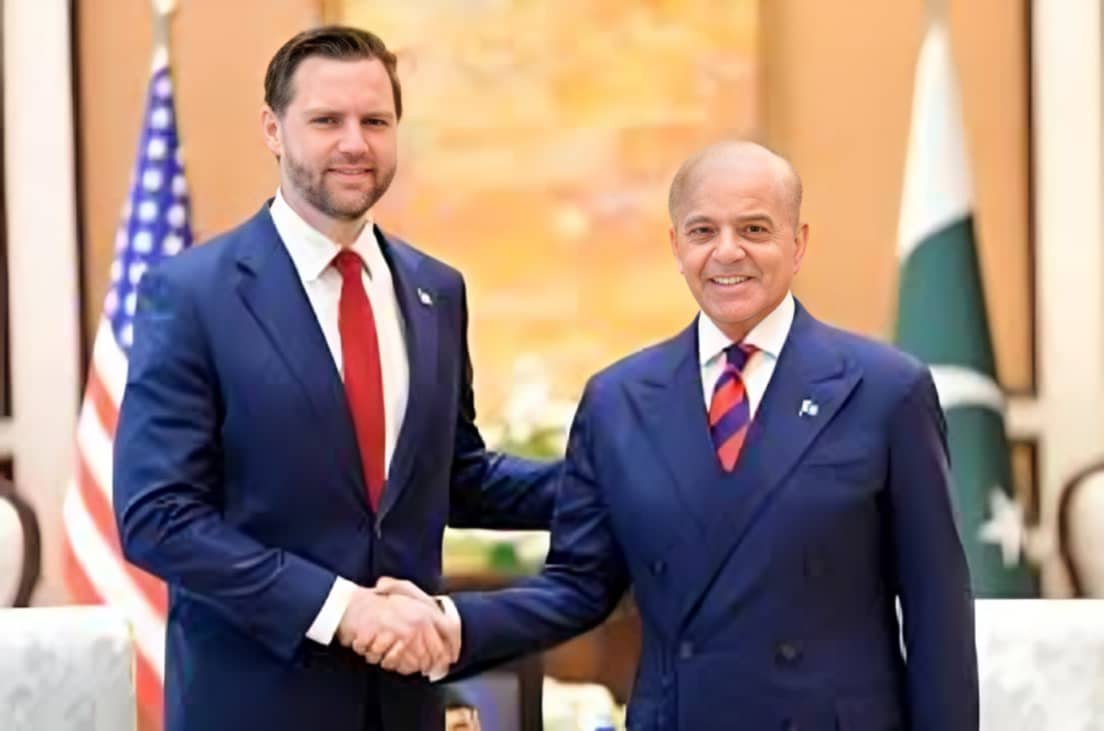

J D Vance has highlighted three major principles that he believes should guide any future peace framework involving Iran, outlining a strategy focused on security, regional stability and economic engagement. His remarks have attracted attention as governments and international organisations continue to seek diplomatic solutions to long standing tensions in the Middle East.
According to Vance, the first and most important objective is preventing Iran from developing nuclear weapons. The issue of Iran's nuclear programme has remained a central concern in international diplomacy for many years. Several countries have argued that preventing nuclear proliferation is essential for maintaining regional and global security. International negotiations and monitoring efforts have often focused on ensuring that nuclear activities remain within peaceful and civilian purposes.
The second pillar identified by Vance is maintaining free and secure navigation through the Strait of Hormuz. The strategic waterway is one of the world's most important maritime routes for the transportation of crude oil and energy supplies. A significant portion of global energy exports passes through the strait, making its stability critical for international markets and economic growth.
Analysts note that disruptions in the Strait of Hormuz can have immediate effects on global energy prices and supply chains. As a result, ensuring that commercial shipping routes remain open has become a key priority for many countries with economic and security interests in the region.
The third objective outlined by Vance involves providing economic incentives aimed at supporting long term transformation and development within Iran. He suggested that economic opportunities, trade cooperation and international engagement could contribute to stability while creating conditions that encourage constructive relations with the global community.
Supporters of diplomatic engagement often argue that economic cooperation can help build trust between nations and reduce the likelihood of prolonged conflict. They believe that increased trade and investment can create mutual benefits while encouraging peaceful cooperation. Critics, however, frequently emphasise the need for strict oversight and clear conditions when economic incentives are considered as part of diplomatic agreements.
The proposed framework reflects a broader approach that combines security measures with economic and diplomatic tools. Experts in international relations note that modern peace initiatives increasingly focus on addressing both political concerns and economic challenges in order to achieve sustainable outcomes.
The Middle East remains one of the most strategically significant regions in the world, with developments there influencing international security, energy markets and global diplomacy. Discussions regarding Iran's role in regional affairs continue to be closely monitored by governments, international institutions and policy experts.
While no formal agreement has been announced, Vance's remarks provide insight into the priorities that may shape future negotiations involving Iran and its international partners. Any potential framework would likely require extensive discussions among multiple countries and stakeholders before implementation.
Observers believe that the success of any future agreement will depend on balancing security concerns, economic interests and diplomatic commitments. As discussions continue, the international community remains focused on efforts to promote stability, reduce tensions and support peaceful solutions in the region.